



The phrase “Alo Yoga marketing strategy” probably did not exist in my vocabulary when I first subscribed to Alo Yoga’s YouTube channel years ago. At the time, I was simply looking for yoga classes that felt calming, elevated and slightly more aesthetic than everything else online. However, somewhere between the perfectly lit studios, neutral-toned workout sets and impossibly polished instructors, Alo stopped feeling like fitness content and started feeling like a blueprint for modern aspiration.
Fast forward to today, and the brand is impossible to escape. I see it everywhere from wellness clubs in Dubai to airport lounges in Paris, where affluent millennials wear matching Alo sets with the same confidence people once reserved for designer handbags. During recent fashion weeks and luxury retail events, the brand has increasingly appeared on the fringes of Paris fashion culture too, particularly among off-duty creators, stylists and wellness-focused fashion insiders. And honestly, that transformation may be one of the smartest fashion business case studies of the last decade.
Alo Yoga did not just build an activewear brand but a lifestyle people wanted to visually belong to.
Alo Yoga marketing strategy: How it became fashion’s wellness obsession
Founded in Los Angeles in 2007 by Danny Harris and Marco DeGeorge, Alo entered an already crowded market dominated by brands like Nike and Lululemon. Yet instead of competing through hardcore athletic performance or technical innovation, the company recognised something far more valuable. Consumers were beginning to associate wellness with aspiration and that insight changed everything.
Over the last few years, wellness transformed from a niche lifestyle category into a global status symbol. Suddenly, yoga memberships, infrared saunas, matcha rituals and hyper-curated morning routines became forms of social currency. Consequently, Alo positioned itself directly inside that cultural shift.
Importantly, the company did not market itself like a traditional sportswear label. Instead, it built a complete wellness ecosystem around its audience. Its yoga videos created emotional familiarity long before customers entered a store, while its minimalist aesthetic fit perfectly into the rise of quiet luxury and algorithm-friendly lifestyle culture. And as social media evolved, Alo became less of a clothing brand and more of a visual identity.
Much like Lululemon built community through fitness and Nike built authority through sport, Alo Yoga built aspiration through wellness culture.
Kendall Jenner, Hailey Bieber and the celebrity pipeline that changed everything
At the same time, Alo understood celebrity culture with remarkable precision. Rather than relying exclusively on glossy advertising campaigns, the brand embedded itself directly into paparazzi culture, influencer routines and off-duty street style.
I started noticing that shift almost unconsciously. One day, Alo was simply a yoga brand I associated with calming YouTube flows. The next, I was spotting Kendall Jenner, Hailey Bieber, Bella Hadid, Gigi Hadid, Kaia Gerber, Rosie Huntington-Whiteley, Taylor Swift and Jennifer Lopez wearing matching Alo sets while leaving yoga studios, airports and cafes. Those images were everywhere across Instagram, TikTok, Pinterest mood boards and celebrity street-style pages. Slowly, the brand stopped feeling niche and started feeling culturally unavoidable.
Consequently, Alo Yoga became deeply embedded within the aspirational aesthetics dominating social media. What fascinated me most was how subtle the strategy felt. Alo never relied on loud logos or aggressively trend-driven fashion cycles. Instead, the brand leaned into muted palettes, sculpted silhouettes and understated branding that looked expensive without trying too hard. At some point, wearing Alo stopped signaling interest in fitness alone and started signaling participation in a curated wellness lifestyle.
And honestly, that distinction says everything about modern consumer culture right now. People increasingly buy identity, routine and aspiration rather than overt displays of wealth.
Alo Yoga marketing strategy: The numbers behind the billion-dollar rise
The scale of Alo’s growth is equally striking. According to Forbes, Alo Yoga crossed more than $1 billion in sales in 2022 after reporting approximately 32 per cent year-on-year growth. Meanwhile, Vogue Business reported that the company planned to open nearly 100 stores across Europe, Asia and the US as part of an aggressive international expansion strategy, including key cities like London and Paris.
At the same time, Alo’s business model gives it unusually tight control over brand storytelling and customer experience. According to Vogue Business reporting, nearly 98 per cent of the company’s business comes through direct-to-consumer channels rather than wholesale partnerships. That matters because direct-to-consumer dominance allows Alo to control pricing, retail design, customer data and cultural positioning in ways many traditional fashion brands cannot.
Increasingly, the Alo Yoga marketing strategy mirrors the playbook of modern fashion powerhouses.
Why Alo Yoga feels bigger than activewear right now
Today, Alo Yoga occupies a fascinating space between wellness, fashion and lifestyle branding. It is no longer competing solely with activewear companies. Instead, it is competing for cultural relevance itself.
The company’s expansion into skincare, wellness experiences and premium collections reflects that ambition. According to Forbes company coverage and Vogue Business reporting, Alo has expanded into beauty, wellness centres and premium accessories while also pushing further into elevated fashion positioning through launches like Alo Atelier and Italian-made handbags priced up to $3,600.
The risk of becoming too visible
However, what makes the Alo story even more fascinating is the growing tension surrounding the brand. As visibility increased, criticism followed. Across Reddit and online fashion communities, longtime consumers increasingly question whether Alo’s rapid expansion is beginning to dilute its aspirational appeal. Discussions frequently reference concerns around declining product quality, repetitive launches and excessive influencer marketing.
Ironically, that trajectory feels deeply familiar in fashion. The moment a brand becomes too visible, consumers inevitably begin questioning whether it still feels exclusive. Similar cycles have already played out with Gucci and Balenciaga, both of which experienced periods where ubiquity eventually weakened aspirational value.
And yet, despite those criticisms, Alo remains one of the clearest examples of how modern aspiration works.
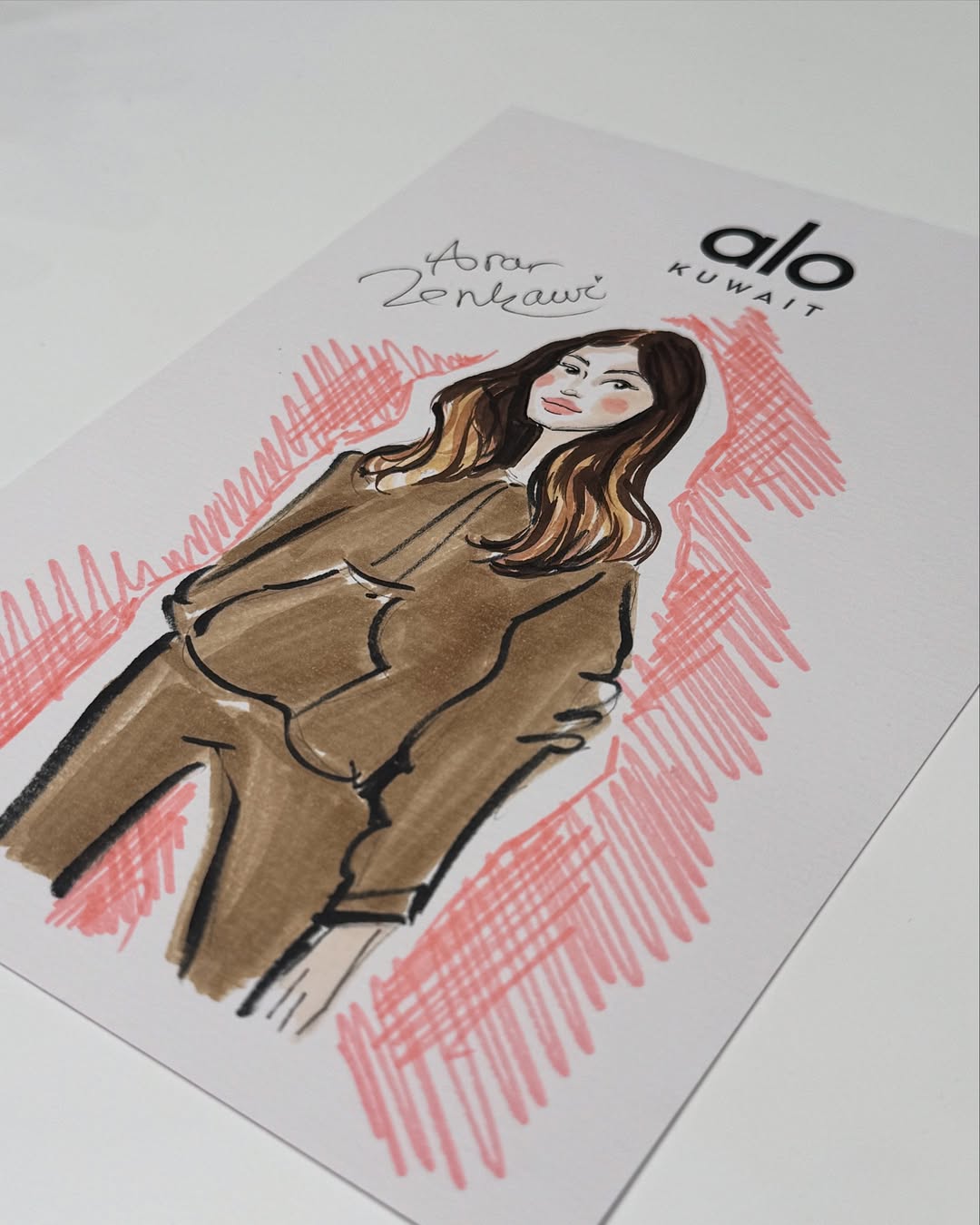
(Feature image credit: abrarzenkawi/ Instagram)
FAQ
Which celebrities wear Alo Yoga?
Celebrities including Kendall Jenner, Hailey Bieber, Bella Hadid, Gigi Hadid, Kaia Gerber, Taylor Swift and Jennifer Lopez have all been spotted wearing Alo Yoga.
How much is Alo Yoga worth?
According to Forbes, Alo Yoga crossed more than $1 billion in sales in 2022.
What is the Alo Yoga marketing strategy?
The Alo Yoga marketing strategy focuses on celebrity visibility, direct-to-consumer retail, wellness content, influencer culture and aspirational lifestyle branding rather than performance-led sports marketing.