
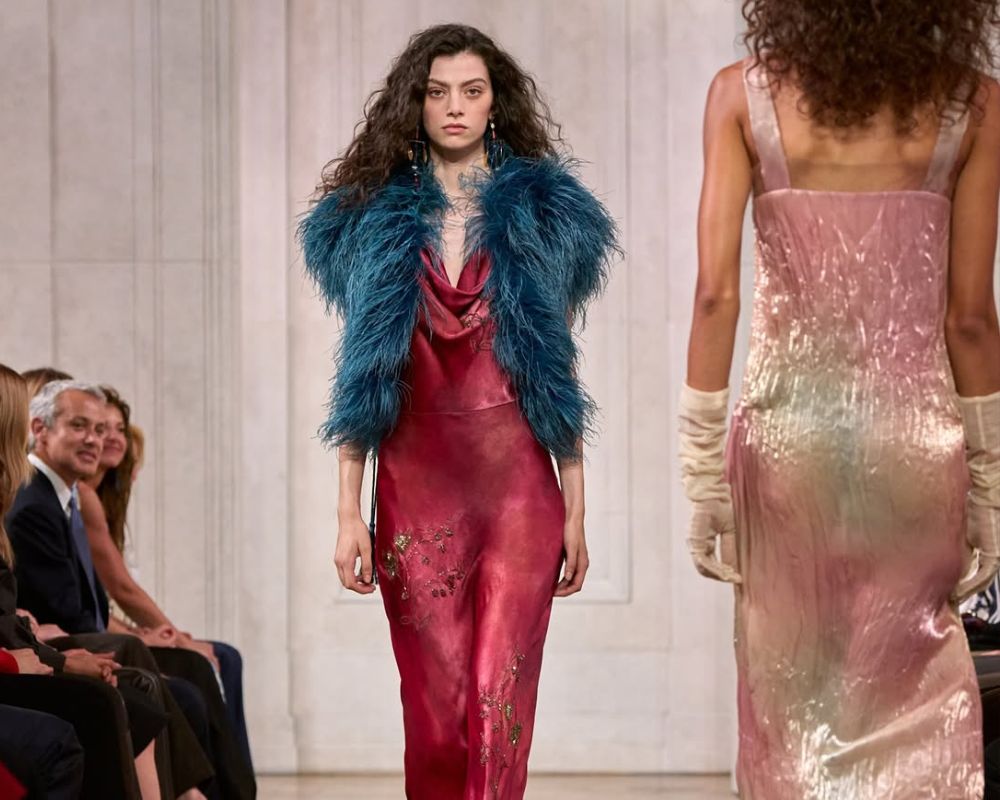


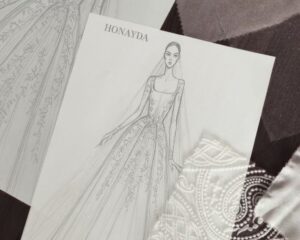


On September 12 2026, Ralph Lauren posted images of a deep pink evening gown on Instagram, from its Spring/Summer 2027 collection shown at New York Fashion Week. The caption was polished and evocative, as Ralph Lauren captions tend to be. “Draped with shimmering silk-viscose and scattered with hand-applied embellishments, an eveningwear gown from #RalphLaurenSpring2027 makes a cinematic statement.”
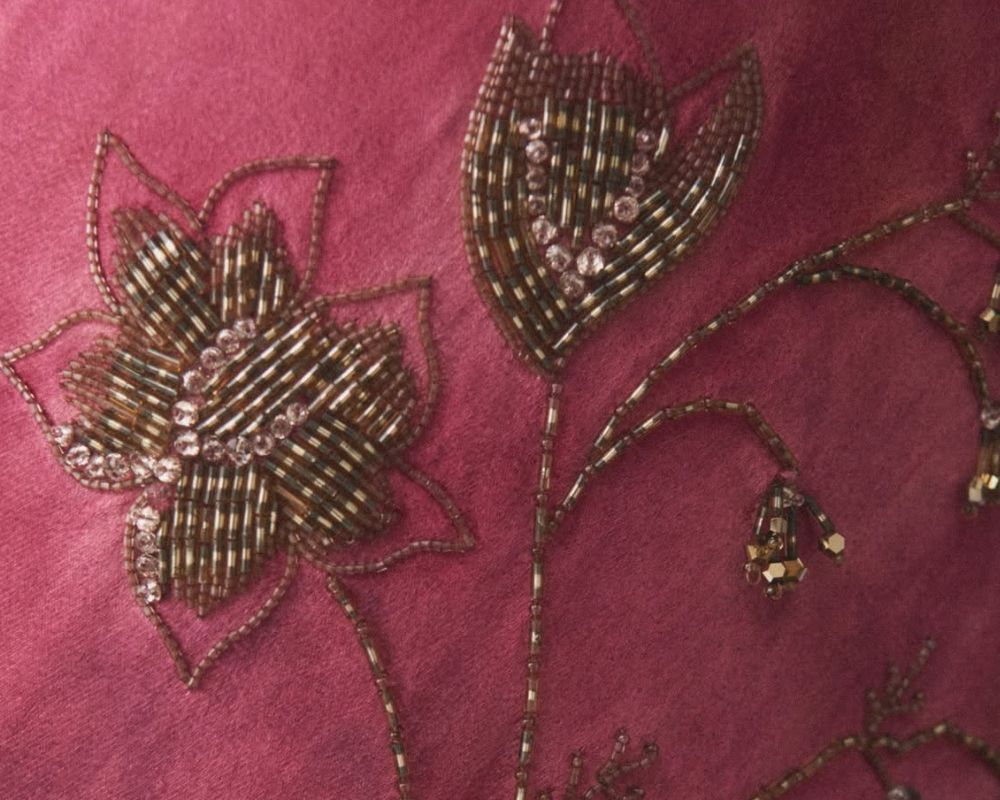
Hand-applied embellishments was what the Ralph Lauren Zardozi caption called a craft with roots in 14th-century India, registered under a Geographical Indication tag in Lucknow and six surrounding districts since 2013 and practised today by more than 175,000 artisans across the subcontinent. The craft had a name, a geography and a living community of practitioners behind it, none of which appeared in the caption.
And within hours, the comment section of that Instagram post was filling up with responses from Indian fashion designers, academics and consumers who had noticed exactly what the caption had chosen to leave out.
Zardozi has 175,000 artisans behind it and Ralph Lauren called it embellishments
Zardozi arrived in India with Persian influence and took root so deeply that it became, over centuries, inseparably Indian. The Ralph Lauren Zardozi craft’s centres span Kolkata, Delhi, Mumbai, Lucknow, Agra, Bareilly, Farrukhabad, Hyderabad and Bhopal, which is to say it belongs to a significant geography of the country. The craft involves metallic threads, gold and silver elements, sequins, beads and metallic wires, all sewn by hand into fabric using techniques that take years to master.
In 2013, it received a Geographical Indication tag covering Lucknow and six surrounding districts, the same category of protection that covers Champagne and Parmigiano-Reggiano, a recognition that what comes from that place belongs to that place.
Fashion designer Prakhar Rao Singh Chandel pointed out the specifics immediately after the Ralph Lauren Zardozi post circulated: Zardozi is GI-registered, more than 175,000 artisans work in the cluster and the craft has a name, a history and a community behind it that three words, hand-applied embellishments, erased entirely.
Yash Sahu, Academic Lead at IMS Design and Innovation Academy in Noida, confirmed that “the handwork seen on the Ralph Lauren gown is much more aligned with the vocabulary of Indian Zardozi than generic embroidery. The metallic surface, raised embellishment and ornamental treatment are all strongly associated with Indian Zardozi traditions.”
This is the third Indian craft Ralph Lauren has used without credit in 2026
The Ralph Lauren Zardozi gown is the third entry in the pattern. Earlier this year, in March and April, Ralph Lauren presented jhumka-style earrings from its Fall 2026 Paris Fashion Week collection as simply “vintage accessories”, with no mention of their Indian origin. Jhumkas are among the most recognisable forms of traditional Indian jewellery, worn across the subcontinent for centuries and immediately identifiable as South Asian to any Indian consumer.
Then in April, a Bandhani-style cotton wrap skirt appeared on the Ralph Lauren website at $497, described as “a beautifully draped cotton skirt, printed with a vibrant design inspired by traditional Bandhini tie-dye techniques and motifs.” Bandhani is a centuries-old tie-dye craft from Gujarat and Rajasthan with roots reaching back to the Indus Valley civilisation. The word “inspired” appeared in the description. India did not.
Three instances in one calendar year: jhumkas in March, Bandhani in April and Zardozi in September. The pattern is the story, and it is a pattern that becomes harder to read as coincidence with each new entry.
Prada, Dior, Gucci and Dolce and Gabbana have all done versions of this
Ralph Lauren is the most frequent recent name in the Ralph Lauren Zardozi conversation, but it is far from the only luxury brand that Indian fashion professionals have been documenting and criticising for years.
In mid-2025, Prada presented sandals bearing an unmistakable resemblance to Kolhapuri chappals, the traditional handcrafted sandals from Maharashtra that have held a GI tag since 2019, priced at approximately $1,200. The original Kolhapuri chappal retails for around $12. After a significant public and political backlash, Prada’s Head of Corporate Social Responsibility Lorenzo Bertelli sent a letter to the Maharashtra Chamber of Commerce explicitly crediting the Kolhapuri chappal inspiration. It was a meaningful gesture. It would have been considerably more meaningful before the backlash.
Dior unveiled a $200,000 overcoat at Paris Fashion Week featuring Mukaish embroidery, the traditional Lucknowi metallic threadwork, without a mention of India. Dolce and Gabbana used the Jadankari walnut wood carving technique from Kashmir and Uttar Pradesh in a bag design without acknowledgment. Gucci sold an Indian kurta at $3,500 as an “organic linen kaftan”, which is one way to describe it.
The thread connecting all of these incidents is specific and commercially significant: each brand drew on a named, documented and often GI-protected Indian craft tradition, each one described the result using language that obscured the origin, and each one absorbed the aesthetic and the prestige of the craft while the artisans who created and maintain that tradition received neither credit nor commercial benefit.
India is the fastest-growing luxury market in the world and it is paying attention
Here is the Ralph Lauren Zardozi commercial argument, because it is the one luxury brands are most likely to respond to.
India is the fastest-growing luxury source market in the world. Every major international luxury brand is repositioning itself to capture the UHNW wealth expanding there, and luxury brands attribute as much as 30 percent of their India sales to wedding-related spending. The Indian luxury consumer is one of the most commercially significant audiences in the global market.
Three days after the Ralph Lauren Zardozi post, on September 15, Sabyasachi made his New York Fashion Week debut with a collection built entirely on Indian craft, explicitly positioned as a statement about Indian luxury’s global authority. Two brand stories, two completely different approaches to the same creative resource, in the same city, in the same week. The contrast speaks for itself.
The consumer who noticed the omission in Ralph Lauren’s Instagram caption is the same consumer every luxury brand is currently trying to reach in India. The fashion designer and the academic and the fashion professional who pointed out that Zardozi had been called an embellishment are exactly the cultural influencers whose endorsement luxury brands spend significant money trying to secure. Crediting the craft in a Ralph Lauren Zardozi caption costs nothing and diminishes the product’s commercial value by zero. The reputational liability of omitting it is real and growing with each new incident.
The Prada episode demonstrated the same lesson the Ralph Lauren Zardozi case is now teaching: crediting after a backlash is possible but commercially suboptimal. The credit that Lorenzo Bertelli provided to the Maharashtra Chamber of Commerce was meaningful and was received as such. It would have been more meaningful and more commercially intelligent had it appeared on the product page before the controversy began.
Crediting Indian craft costs nothing and omitting it costs more
Fashion designer Chandel put it simply. Foreign brands are welcome to draw from Indian craft. They need to give credit when they do.
Using a craft with credit is inspiration, and it has produced some of the most commercially extraordinary moments in fashion history. Using it without credit and calling it something generic, whether embellishments or vintage accessories or tie-dye motifs, is erasure, and the economic consequences of that erasure fall on people who already have very little leverage in this industry. The artisans sustaining Zardozi in Lucknow, Bandhani in Gujarat and Rajasthan and Kolhapuri chappals in Maharashtra are keeping alive traditions that global luxury brands are monetising at margins that bear no relationship to what those artisans themselves receive.
The minimum viable response from any luxury brand using Indian craft is attribution, which means naming the craft, naming the region and naming the tradition, and it costs nothing. A more meaningful response is partnership, which means working directly with artisan communities, paying fair prices for access to traditional techniques and contributing to the institutional infrastructure that keeps these crafts alive. Both responses are commercially available to every brand on this list, and both are more commercially intelligent than the alternative this case has just demonstrated.
The fashion industry is watching India. The Ralph Lauren Zardozi conversation is proof that India is watching back.
Read next on The Pillar Edit: Louis Vuitton took a local tea maker in China to court and triggered a cultural backlash.
(Image credit: ralphlauren/Instagram)