




On August 25, 2026, The RealReal published its annual resale report. Buried in the data was a finding with implications far beyond the secondary market: 47% of luxury consumers now consider a product’s potential resale value before buying it new.
The headline was not which handbag is appreciating fastest or which luxury house is dominating secondary-market searches. It was something more consequential. Nearly half of luxury shoppers are now considering what an item might be worth after they have owned it, before deciding whether to buy it in the first place.
That quietly changes the luxury equation. Price, desirability and brand equity are no longer the only forces shaping a purchase. Luxury Resale value is becoming part of the value proposition itself, with implications for how luxury brands think about pricing, product strategy, distribution and the long-term relationship between what they sell and what customers are willing to pay.
The luxury resale value finding that every brand needs to read twice
The RealReal is the world’s largest online marketplace for authenticated luxury resale goods, with 44 million members and 15 years of proprietary data from more than 50 million items sold. When it publishes data about consumer behaviour, it is drawing on a dataset that no other organisation in the luxury ecosystem can match.
The 2026 Resale Report, titled The Revolution of Resale, confirms what the market has been signalling for several years and makes it measurable for the first time at scale: the luxury purchase decision has fundamentally changed. The consumer standing in a luxury boutique or browsing a brand’s website is increasingly making a calculation that would have been unusual five years ago and unthinkable ten years before that. They are asking, before they buy, what this piece will be worth when they decide to sell it.
The myGemma Luxury Resale Index 2026, published August 3 2026, adds a separate and complementary data point: one in three luxury buyers is now actively participating in the resale market. The two reports together paint the clearest available picture of a luxury consumer who is thinking about ownership differently, approaching it less as a consumption decision and more as a capital allocation one.
Which luxury brands are winning the resale value game
The luxury resale value data from myGemma’s August 2026 index is the most commercially specific intelligence available for every brand currently making pricing and distribution decisions.
Hermès sits at the top of every metric. The Birkin and Kelly bags consistently resell for more than 100 percent of their original retail price, with pristine or new-in-box pieces selling for upwards of 200 percent. For the consumer evaluating luxury resale value before purchasing, the Hermès equation is the most favourable available: the piece is likely to be worth more in two years than it is today. That calculation is doing meaningful commercial work for Hermès in the primary market, reinforcing purchase decisions for buyers who might otherwise hesitate at a price point that begins above €10,000 for most styles.
Van Cleef and Arpels Alhambra pieces retain 90 percent or more of retail value, making fine jewellery one of the most stable luxury resale value categories available. Cartier’s LOVE bracelet and Juste un Clou pieces resell at 80 percent or more of retail, reflecting sustained global demand for those iconic pieces. Chanel’s black Double Flap, despite the house’s dramatic price increases, resells at upwards of 75 percent of retail in excellent condition.
These luxury resale value numbers are commercial assets. They function, for the consumer checking resale data before a primary market purchase, as proof that the brand has built something with lasting worth. They are the measurable output of decades of deliberate decisions about scarcity, quality and distribution control.
The brands the resale data is putting pressure on
The RealReal 2026 Resale Report also contains the data that luxury brands with weaker resale performance need to read carefully.
Handbag resale value appreciation data tracked from 2016 to 2026 shows extraordinary divergence between brands. The Gucci Jackie is the standout performer across the decade, up ten times in a decade from an average sale price of $294 to $3,012, a result of scarcity, creative direction and sustained cultural relevance. The Fendi Peekaboo and Prada Galleria have each more than tripled. These are the brands whose luxury resale value performance is actively reinforcing their primary market positioning.
The pressure falls on the brands whose products depreciate steeply or unpredictably. For the consumer who is now evaluating luxury resale value before buying, a brand whose secondary market performance is weak or inconsistent is a brand that has surrendered a commercial argument it could have won. Chanel raised the price of the Classic Flap to $11,700 by 2026, double its 2019 price.
The resale data shows it still retains 75 percent of that elevated retail value, which means the effective cost of ownership has become substantially more expensive even as the brand continues to raise prices. That mathematics is showing up in the search data: 93 percent of Americans now shop online for secondhand items, and the brands they are searching are increasingly the ones with the strongest luxury resale value track record.
What the RealReal data reveals about where luxury desire is moving
The RealReal 2026 Resale Report contains brand-specific search data that is the most forward-looking commercial intelligence available in the luxury market right now.
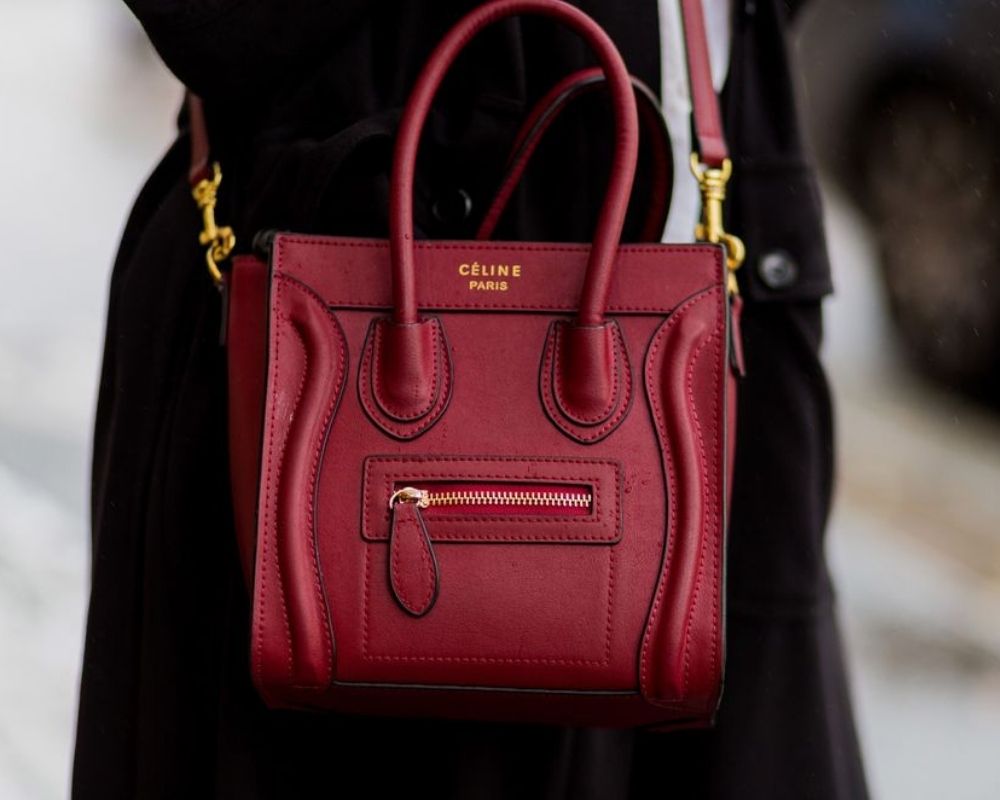
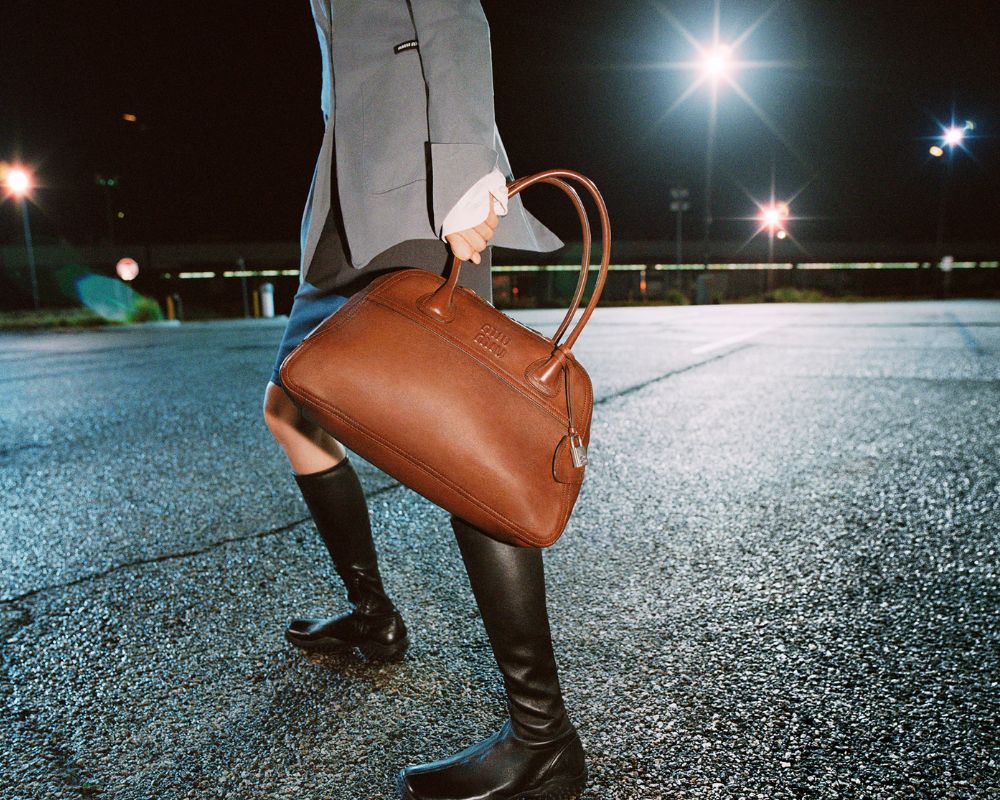
Saved searches jumped 136 percent for Alaïa, 96 percent for Miu Miu and 88 percent for Loewe on The RealReal platform in 2026. Searches for Chanel creative director Matthieu Blazy increased 10,967 percent, the most dramatic single figure in the entire report and a signal that the market is beginning to price in the Blazy era before his designs have reached significant secondary market volume. Phoebe Philo-era Celine searches surged 650 percent, confirming that the resale market already understood what the primary market took years to fully recognise: that Philo’s Celine was commercially significant in ways that the brand’s primary market revenue at the time entirely failed to reflect.
Vintage demand on The RealReal increased 432 percent since 2020. Decade-specific saved searches increased 135 percent year on year. Searches for 2000s fashion jumped 93 percent. The consumer is increasingly buying into a specific creative moment rather than a current collection, and the luxury resale value of those creative moments is being priced in real time by the secondary market before the primary market has fully processed what happened.
That is the most commercially uncomfortable finding in the entire report for brands that are currently in a period of creative transition. The market is pricing the Blazy era of Chanel before his designs are widely available. It is pricing the Philo era of Celine years after she left. And it is pricing every current brand through the lens of what the last decade of creative decisions was actually worth to the consumer who is now deciding whether to buy new.
The resale shift luxury brands cannot ignore
The luxury resale value finding from The RealReal’s 2026 report changes the commercial calculus for every brand in the category, and the implications are specific enough to act on immediately.
The first implication is about pricing discipline. The consumer checking resale value before buying is making an implicit judgment about whether the primary market price is justified by the secondary market reality. Brands that have raised prices aggressively without building the product quality, scarcity and distribution control to support those prices in the secondary market are creating a gap that the 47 percent of buyers now doing this research will find immediately. The luxury resale value data is a real-time audit of every pricing decision a brand has made.
The second implication is about distribution control. The brands with the strongest luxury resale value performance are almost universally the ones with the tightest distribution control. Hermès sells through its own boutiques. Patek Philippe controls its authorised dealer network with extraordinary rigour. Rolex has spent decades managing supply below demand. The secondary market strength of these brands is a direct commercial return on their primary market distribution discipline.
The third implication is about creative consistency. The Phoebe Philo Celine surge and the Matthieu Blazy Chanel anticipation both reflect the same underlying dynamic: the secondary market values creative conviction and penalises creative inconsistency. The brands whose resale performance tracks most closely with their primary market price are the ones whose creative identity is most clearly defined and most consistently executed.
The RealReal’s 2026 data contains the most honest available verdict on every luxury brand’s commercial decisions. Nearly half of the brand’s own potential customers are reading it before they walk through the door. The question every luxury brand should be asking is whether the luxury resale value their customers are finding matches the story the brand is telling about itself.
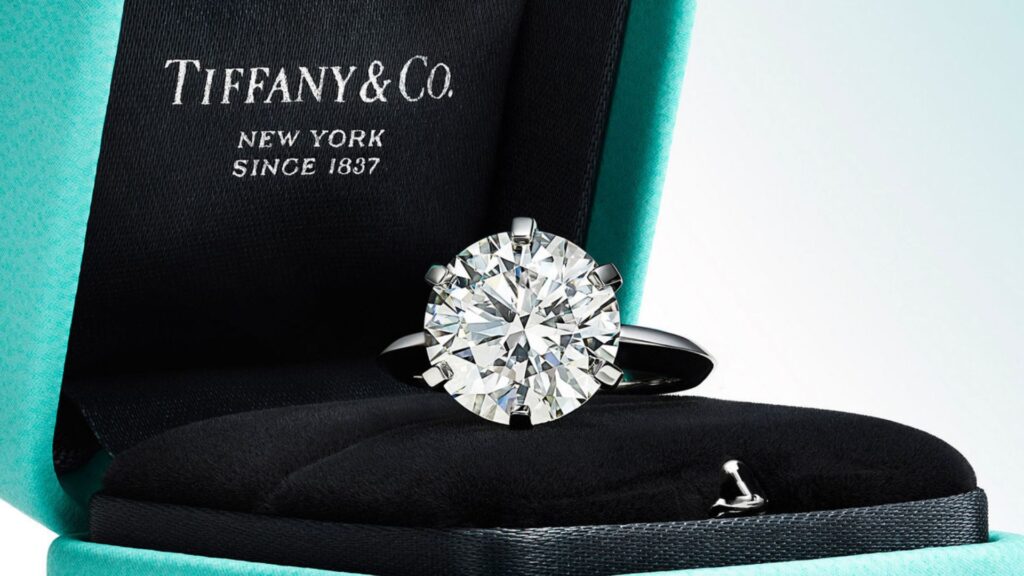
Read next on The Pillar Edit: According the to recent luxury report Tiffany and Co is the most searched luxury brand in 2026, ahead of Chanel and Cartier. Did you see this coming?
(Feature image credits: miumiu.com)