




For four decades, Dolce & Gabbana was one of the most stubbornly, defiantly personal brands in luxury. Two founders shared one vision: Sicilian maximalism, unapologetic glamour, and a marketing playbook that swung between genius and controversy, sometimes in the same campaign. The Dolce & Gabbana leadership crisis that has unfolded since December 2025, however, signals that this founding era is now officially over.
In December 2025, Stefano Gabbana quietly stepped down as chairman of the brand he co-founded. The news did not break publicly for four months, only surfacing in April when Bloomberg accessed registration documents at the Milan Chamber of Commerce. By then, the full picture had come into focus. Gabbana was not just stepping back from governance. He was reportedly weighing options for his 40% stake in the company. At the same time, Dolce & Gabbana was in the middle of negotiating a refinancing of approximately €300 million in debt.
Dolce & Gabbana leadership crisis: The exit that took four months to surface
The four-month gap between Gabbana’s resignation and its public disclosure tells us everything we need to know about the state of the brand. When a co-founder of a 41-year-old house exits the boardroom, the change is structural. Furthermore, the fact that it was buried in a chamber of commerce filing, rather than announced with the kind of controlled narrative luxury houses usually manage with precision, suggests the situation was far more complex than anyone was ready to admit publicly.
As a result of Gabbana’s exit, Alfonso Dolce, brother of co-founder Domenico, stepped in as chairman. Control formally remained within the Dolce family, and Stefano Gabbana was said to be staying on in a creative capacity. The optics were carefully managed. However, the subtext was unmistakable: for the first time in the brand’s history, its creative co-founder no longer had a seat at the governance table.
Why Dolce & Gabbana hired a conglomerate executive
In April 2026, Dolce & Gabbana confirmed what had already been widely reported. Stefano Cantino was appointed co-CEO, working alongside Alfonso Dolce as part of the brand’s broader response to the Dolce & Gabbana leadership crisis.
Cantino is not an outsider by any measure. He spent two decades at Prada, then held senior communications and retail roles at Louis Vuitton before joining Gucci as CEO in October 2024, a role he exited in September 2025. His career was built entirely within the architecture of luxury’s biggest institutional machines. Consequently, his appointment to an independent house like Dolce & Gabbana sends a very deliberate signal to the market.
The brand has explicitly stated it wants to evolve “from a fashion brand to a lifestyle company.” That language is borrowed directly from the conglomerate playbook. It is what LVMH and Kering brands say. It is the vocabulary of scale, of ecosystem-building, and of turning a label into a fully integrated world. The real question, therefore, is whether an independent brand carrying €300 million in debt, with a co-founder considering an exit from ownership, can execute that ambition without the safety net of a Bernard Arnault standing behind it.
The Independent luxury problem that nobody wants to talk about
Dolce & Gabbana’s position today is the clearest illustration of a tension that has been building in luxury for years. Independence is a beautiful story until the market turns. When luxury was booming through the post-pandemic years, independent houses could hold their ground comfortably. Heritage, authenticity, and founder-led vision were genuine competitive advantages, and both investors and consumers rewarded them accordingly.
However, luxury is no longer booming. LVMH posted a 6% revenue decline in Q1 2026 and Kering’s numbers were worse. Moreover, for independent houses without the cross-subsidy mechanisms that conglomerates use to protect struggling brands, a prolonged slowdown is not just a revenue problem. It becomes a balance sheet problem very quickly.
Dolce & Gabbana leadership crisis: What Gabbana’s 40% stake means for the brand’s future
The most consequential dimension of the Dolce & Gabbana leadership crisis remains unresolved: what actually happens to Gabbana’s 40% stake?
A 40% position in a globally recognised luxury brand, one with genuine cultural equity, a loyal customer base, and decades of archive, would attract serious interest from conglomerates, private equity firms, and sovereign wealth funds. The brand’s current financial position would naturally complicate valuation conversations. Nevertheless, the strategic prize remains very real.
If that stake moves to a conglomerate, Dolce & Gabbana effectively ends its era of independence, quietly and without a press release, through the back door of a debt negotiation. If it moves to private equity, on the other hand, the pressure to deliver returns in a compressed timeline becomes the new operating reality for every decision the brand makes.
In either scenario, the Dolce & Gabbana leadership crisis signals a turning point for the brand that Domenico Dolce and Stefano Gabbana built as a deeply personal, almost autobiographical expression of Italian identity, as it risks becoming partially or majority-owned by an entity for whom that identity is less a lived story and more an asset to be strategically managed.
The bigger question the luxury industry should Be asking
Importantly, the Dolce & Gabbana leadership crisis is not an isolated case. It is simply the most visible example of a broader reckoning happening quietly across independent luxury right now.
The houses that refused to sell, that built on debt instead of equity and kept governance internal and creative control absolute, are now facing the consequences of those choices in a market that is no longer rewarding ambition with growth.
Some of these houses will find the right partner and emerge stronger. Others will be absorbed quietly into conglomerate portfolios, their DNA gradually diluted into brand management frameworks designed for efficiency rather than identity.
And then there are the houses that manage to restructure, clarify their identity, and find a creative direction that genuinely connects with a new generation of luxury consumers. Those brands will prove that independence was never the problem but the execution was. Which category Dolce & Gabbana ultimately falls into depends on decisions being made right now, behind closed doors, in conversations that are unlikely to surface in a press release until it is already too late to change the outcome.
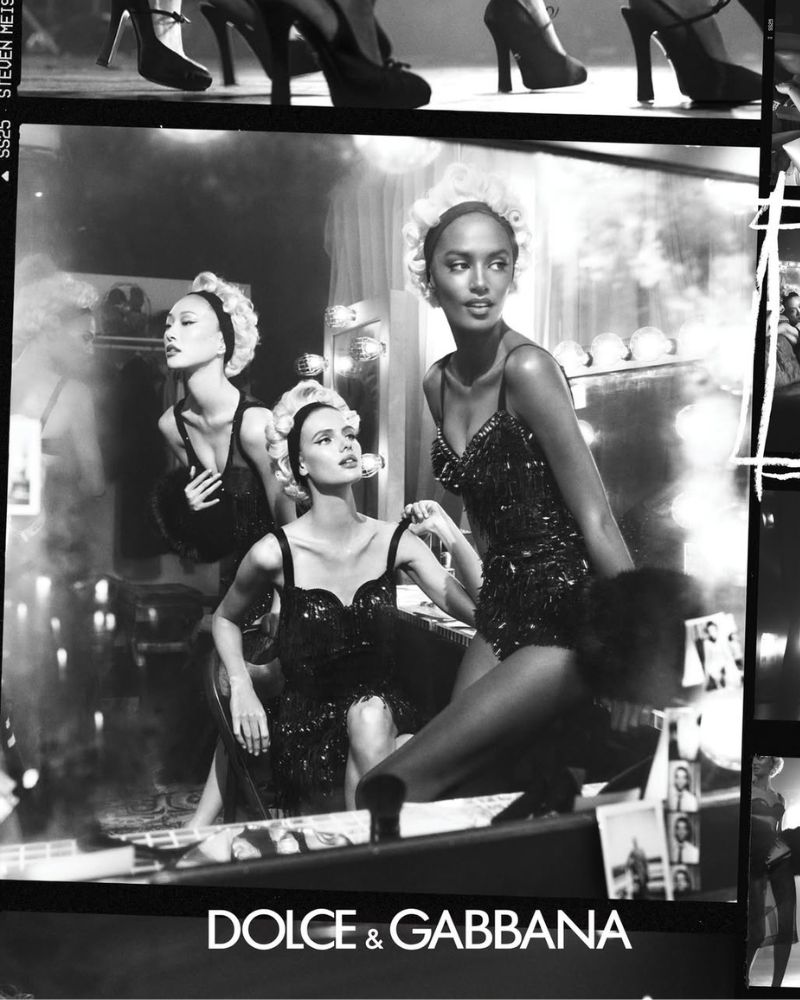
(Image source: dolcegabbana/Instagram)FAQ
Why is the Dolce & Gabbana leadership crisis significant?
The crisis matters because Dolce & Gabbana has long been driven by the personal vision of founders Domenico Dolce and Stefano Gabbana. Any leadership or ownership transition could fundamentally reshape the brand’s identity and independence.
Is Dolce & Gabbana being sold?
There is currently no confirmed full sale of the company, but reports suggest the brand has explored external investment, refinancing discussions, and potential strategic partnerships as financial pressures increase.
Could the Dolce & Gabbana leadership crisis affect the brand’s image?
Yes. Because the brand’s identity is closely tied to its founders and their vision of Italian glamour, any major leadership shift could influence everything from creative direction to consumer perception and investor confidence.