



What a digital product passport actually is?
A digital product passport is essentially a scannable identity card for a physical product. Think of it as a birth certificate, a medical record, and a sustainability report all rolled into one tiny QR code or NFC chip attached to your bag, coat, or watch. When you scan it, you can see where the raw materials came from, how and where the item was manufactured, what its carbon footprint looks like, how it should be cared for, and what to do with it at the end of its life. It is a complete, verified, living record of a product’s entire journey from raw material to your hands. The EU is making this mandatory under a law called the Ecodesign for Sustainable Products Regulation (ESPR). The delegated act specifically covering textiles and apparel is expected to be finalised in late 2027, with brands given roughly 18 months after that to comply. In practical terms, most major brands need to be building the infrastructure for this right now, because the supply chain data work alone takes years to complete. This is not some far-off sustainability conversation reserved for policy panels and industry reports anymore. Luxury boardrooms are already paying attention, and the brands approaching it as a mere box to tick could find themselves falling behind very quickly.Why luxury fashion specifically needs a digital product passport
Luxury has always justified its prices through two things: craftsmanship and rarity. The story of the artisan, the provenance of the material, the heritage of the house. For decades, those stories were told through campaigns, lookbooks, and carefully curated brand mythology and nobody asked for receipts. However now, younger consumers in particular are asking harder questions. Where does the cashmere actually come from? Who made this? What happens to it when I no longer want it? And critically, is any of what the brand says actually true? Research published in 2025 found that consumers now rank authenticity and traceable supply chains as core factors in their luxury purchasing decisions, right alongside aesthetics and heritage. Meanwhile, the fake luxury goods market has grown to an estimated $1.7 trillion, meaning the trust problem is not just ethical, it is commercial and existential. The digital product passport addresses both problems at once. It gives consumers verifiable proof of everything the brand claims, and it gives brands a powerful tool against counterfeiting, because a fake bag cannot carry a verified, blockchain-backed product record that matches the original.The boardroom tension nobody is talking about openly
Luxury has always relied a little on mystery. You are not really supposed to stop and think too hard about where your Birkin came from or how, exactly, it was made. Part of the appeal lies in the mythology around it: the atelier, the artisan, the heritage, the idea of craftsmanship being passed down through generations. That story is part of what makes luxury feel special in the first place. Which is why full supply chain transparency makes so many brands uncomfortable. Not necessarily because there is something terrible to hide, but because once you start exposing the industrial reality behind any product, some of the mystique inevitably fades. There is already a very real conversation happening in luxury boardrooms across Paris, Milan, and London about how brands can meet transparency requirements without ruining the fantasy attached to the product itself. As one industry insider put it, nobody wants to stick what feels like an ugly compliance tag onto a beautiful handbag. But the bigger issue is not even aesthetic. It is technical. A simple QR code linking to a website does not really solve anything because counterfeiters can copy that in seconds. A genuinely secure digital product passport requires verified information to be tied to the physical product in a way that cannot easily be cloned or tampered with.How luxury brands are responding to the digital product passport shift
Luxury brands are broadly falling into three camps. First are the early movers. Brands like Prada, LVMH, and Chloé are treating digital product passports as an opportunity rather than a burden. They see transparency as a way to build trust with younger consumers and position themselves ahead of regulation. Then there is the much larger wait-and-watch group. Many brands are quietly testing pilots while delaying major investments until the rules are fully clear. The risk is that building traceability systems takes years, and waiting too long could lead to expensive last-minute scrambling. And finally, there are heritage holdouts like Hermès and Chanel, where mystique remains central to the brand. For these houses, the idea of scanning a luxury product to reveal its full supply chain story still feels fundamentally at odds with the fantasy they sell.What the digital product passport means for you as a consumer
If you buy luxury fashion, this regulation is genuinely good news, even if it does not feel revolutionary yet. First, it makes greenwashing significantly harder. Right now, a brand can call a collection sustainable, conscious, or responsible with relatively little verification required. Under a proper digital product passport regime, those claims will need to be backed by data that is attached directly to each individual product, not just communicated through marketing copy. Second, it is a powerful tool for the resale market. One of the fastest-growing areas of consumer behaviour in luxury right now is buying secondhand. A digital product passport attached to a bag means that when you sell it five years later, the buyer can verify its authenticity, condition history, and provenance in seconds. Platforms like Vestiaire Collective are already working toward integrating this kind of verification. For anyone who has bought a secondhand luxury item and wondered whether it was genuine, this is enormously valuable. Third, and perhaps most interestingly, it reframes what luxury actually means. If the story of the craftsman, the origin of the leather, and the care taken at every step in the process is real, then a verified digital record of that story makes the object more valuable, not less. The brands with genuinely extraordinary supply chains and genuinely careful sourcing should welcome this moment.The bigger cultural question: is the end of mystery the end of luxury?
What makes the digital product passport so interesting is that it challenges one of luxury’s oldest tools: mystery. Luxury has always sold more than a product. It sells mythology, craftsmanship, heritage, and the feeling that these objects exist slightly above the realities of manufacturing and commerce. A fully transparent, scannable supply chain inevitably changes that dynamic. But transparency could also become a new form of luxury credibility. Brands whose craftsmanship and sourcing genuinely live up to their storytelling may find that verification strengthens desirability rather than weakens it. In many ways, the digital product passport could end up exposing the difference between brands that marketed a story and brands that truly lived one.What comes next
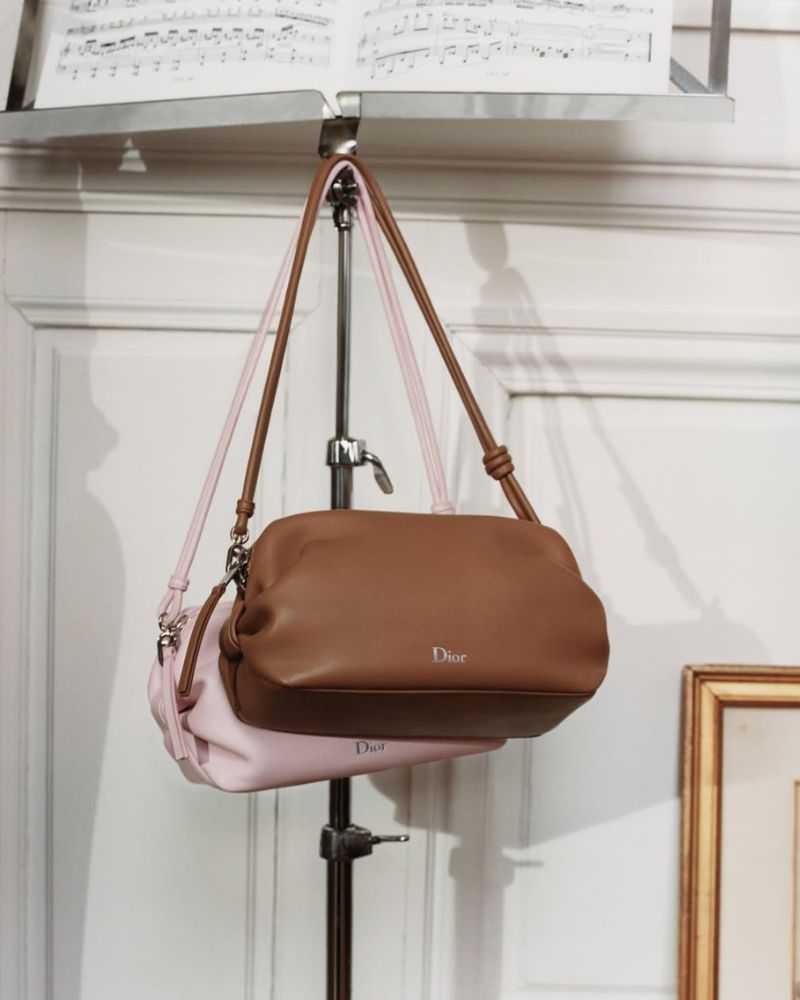
The timeline for full implementation runs to approximately 2028 to 2029 for most categories, with the textiles delegated act expected in late 2027 followed by an 18-month compliance window. However, the infrastructure decisions being made right now by brands and suppliers will determine who is ready and who is not. For consumers, the shift is worth paying attention to. The next time you consider a significant luxury purchase, it is worth asking whether the brand you love is building toward this kind of transparency or running from it. That answer tells you quite a lot about the story they have actually been selling you. Want to read more? Explore The Pillar Edit’s full guide to luxury conglomerates. (Image credit: Dior/Instagram)FAQ
What is a digital product passport in fashion?
A digital product passport is a scannable digital record attached to a physical product via a QR code or NFC chip. It contains verified information about where a product was made, what materials were used, its environmental footprint, and how to recycle or resell it. The EU is making it mandatory for all textiles sold in Europe, with compliance expected from 2028 onwards.
Which luxury brands are already using digital product passports?
A small group of early movers is already building toward this. LVMH has invested €150 million in a blockchain tracking platform covering more than 500,000 products. Chloé launched its first fully traceable collection in 2023. Prada has reported that showing digital provenance to younger consumers actually improved purchase conversion. The Aura Blockchain Consortium, founded by LVMH, Prada Group, and Richemont, now counts more than 50 luxury brand members working toward shared traceability infrastructure.
Does a digital product passport mean the end of luxury mystique?
Not necessarily, and this is the most interesting question the regulation raises. Brands whose supply chain stories are genuinely extraordinary have nothing to fear from transparency. In fact, verified proof of exceptional craft and sourcing makes a product more desirable, not less. The brands that should be nervous are the ones whose stories do not fully hold up under scrutiny.