




Diamonds have always been about beauty. Increasingly, they’re also about value. That is why one question continues to dominate jewellery conversations: Do lab-grown diamonds hold their worth?
The answer is more nuanced than the marketing suggests. Lab-grown diamonds may share the same chemical makeup and brilliance as mined stones, but when it comes to resale, the market draws a clear distinction. And for buyers thinking beyond the moment of purchase, that difference matters.
Why lab grown diamonds resale value is lower than most people expect
Let us start with the numbers, because they are eye-opening. Right now, lab grown diamonds resale value sits at roughly 20 to 40 percent of the original purchase price. Compare that to natural diamonds, which typically hold 50 to 80 percent of their retail value on the secondary market. That is a meaningful difference, and it comes down to one core economic reality: supply.
Mined diamonds are finite. There are only so many of them in the earth, and extracting them is expensive and slow. Lab grown diamonds, on the other hand, are produced through a process called Chemical Vapour Deposition or High Pressure High Temperature manufacturing. As that technology gets more efficient every year, it gets cheaper to produce these stones. Wholesale prices for a one-carat lab grown diamond dropped to around 191 US dollars per carat by mid-2025. A few years ago, the same stone cost thousands. That kind of structural deflation is what keeps lab grown diamonds resale value under pressure.
Think of it the way you would think about a smartphone. The phone you bought for a premium price three years ago is worth a fraction of that today, not because it stopped working but because a newer, cheaper version replaced it. Lab grown diamonds follow that same logic. The stone you buy today faces direct competition from better and cheaper versions that did not exist when you made your purchase.
What heritage jewellery houses actually think about lab grown stones
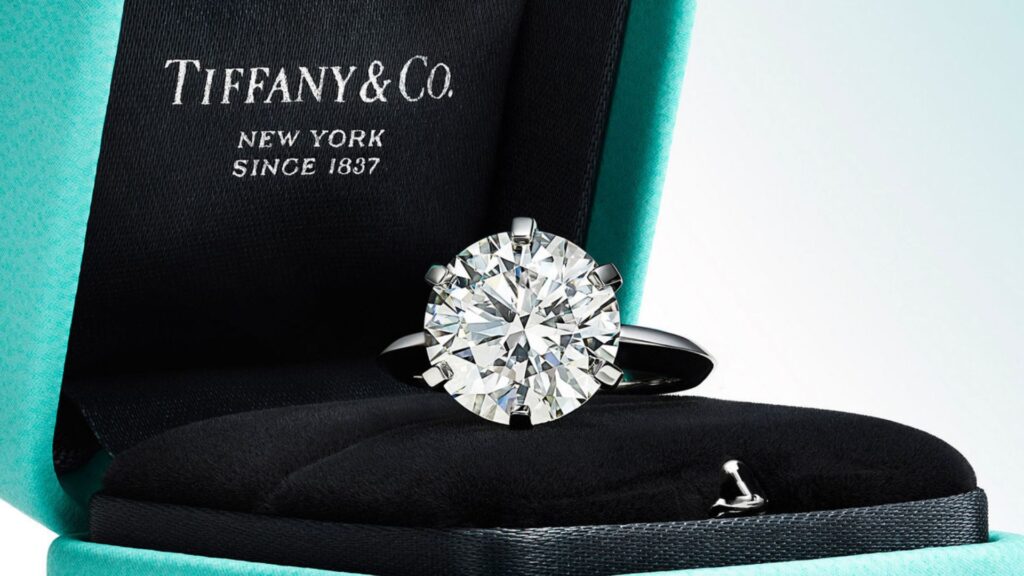
Here is where the conversation gets interesting for anyone shopping at the top of the market. The great heritage houses, your Cartiers, your Van Cleef and Arpels, your Graff, have largely held their ground. They continue to work with natural stones and their numbers back up the decision. Richemont’s jewellery maisons grew 17 percent year on year in Q3 2025. Tiffany posted organic growth in the same quarter. Both of those houses have staked their value proposition on natural stones, precious metals and the scarcity story.
That matters for the buyer who is thinking about lab grown diamonds resale value at the heritage level. A piece from Cartier holds its worth through two channels: the brand itself and the stone inside it. Both carry independent scarcity signals. When you swap the natural stone for a lab grown one, you lose that second anchor. The brand can still carry value, but the stone no longer reinforces it. That is the structural tension heritage houses are navigating right now.
That said, a growing number of independent ateliers and newer fine jewellery houses are leaning fully into lab grown diamonds. They are doing so not as a budget option but as a conscious design and ethics choice. And as those brands grow, they will begin to build their own resale infrastructure over time.
The absolute dollar argument: where lab grown actually wins
Before you write off lab grown diamonds resale value entirely, there is an argument worth hearing. Even though the percentage loss is steeper, the actual rupee or dollar loss is often smaller. A lab grown diamond purchased at $1,000 losing 65 percent of its value loses $650. A natural diamond purchased at $5,000 losing 40 percent loses $2,000. The absolute dollar loss on the natural stone is more than three times greater.
So the question of lab grown diamonds resale value really depends on what you are measuring. If you are measuring percentage retention, natural stones win clearly. If you are measuring how much money walks out the door on resale, the picture is more complicated. For a buyer who wants size, brilliance and a meaningful piece without a significant financial outlay, the absolute loss argument is genuinely compelling.
How certification affects what you get back on resale
Certification is one of the few levers that genuinely moves lab grown diamonds resale value in your favour. Stones certified by IGI tend to hold 3 to 7 percent higher resale values than uncertified equivalents, because buyers on the secondary market need assurance. Without a certificate, a resale buyer has no way to independently verify what they are looking at. With one, the transaction becomes much easier and the price reflects that confidence.
Beyond certification, the cut, clarity and colour of your stone still matter. A beautifully cut lab grown diamond with excellent clarity will always find a better resale home than a poorly cut stone of the same origin. So if you are buying with any thought to future resale, prioritise quality over size.
When lab grown diamonds make complete sense despite lower resale
Not every jewellery purchase is an investment strategy. And honestly, it probably should not be. There are many situations where lab grown diamonds resale value is almost beside the point, and those are worth naming clearly.
If you want a larger, more visually impressive stone for the same budget, lab grown diamonds give you that access. A four-carat lab grown diamond that would have cost a small fortune in natural form is now attainable. If you care about traceability and ethical sourcing, lab grown stones offer a clean supply chain that mined diamonds cannot always guarantee. And if you are buying a piece you genuinely intend to keep and pass down as sentiment rather than as financial asset, the resale question matters far less than the story the piece carries.
Heritage, after all, is not only about monetary worth. The ring your mother wore on her wedding day does not hold value because of what it would fetch at auction. It holds value because of what it means. In that sense, lab grown diamonds can absolutely be part of a family’s jewellery story going forward.
Will lab grown diamonds resale value improve over the next decade?
This is the question that really matters for anyone making a long-term purchase decision today. And the honest answer is: probably yes, but slowly and unevenly. As the secondary market for lab grown stones matures, as more dedicated resale platforms emerge and as buyer confidence in the category grows, the gap between mined and lab grown resale retention will likely narrow. Experts who track this market predict that certified, classically designed pieces will be the first to benefit from that normalisation.
The lab grown diamond industry is projected to reach around 33 billion US dollars in 2026 and could approach 90 billion by 2034. That kind of growth brings with it better infrastructure, more buyer familiarity and a more functional resale ecosystem. So buying a high-quality, well-certified lab grown diamond today is not the same proposition it was five years ago, and it will not be the same proposition five years from now either.
What is unlikely to change quickly is the premium that natural scarcity commands. Mined diamonds carry a geological story that cannot be replicated in a laboratory, and luxury buyers have historically paid for that story across generations. Heritage houses understand this, which is why the very top of the market remains firmly in natural territory.
Things to do if you are buying a lab grown stone with resale in mind
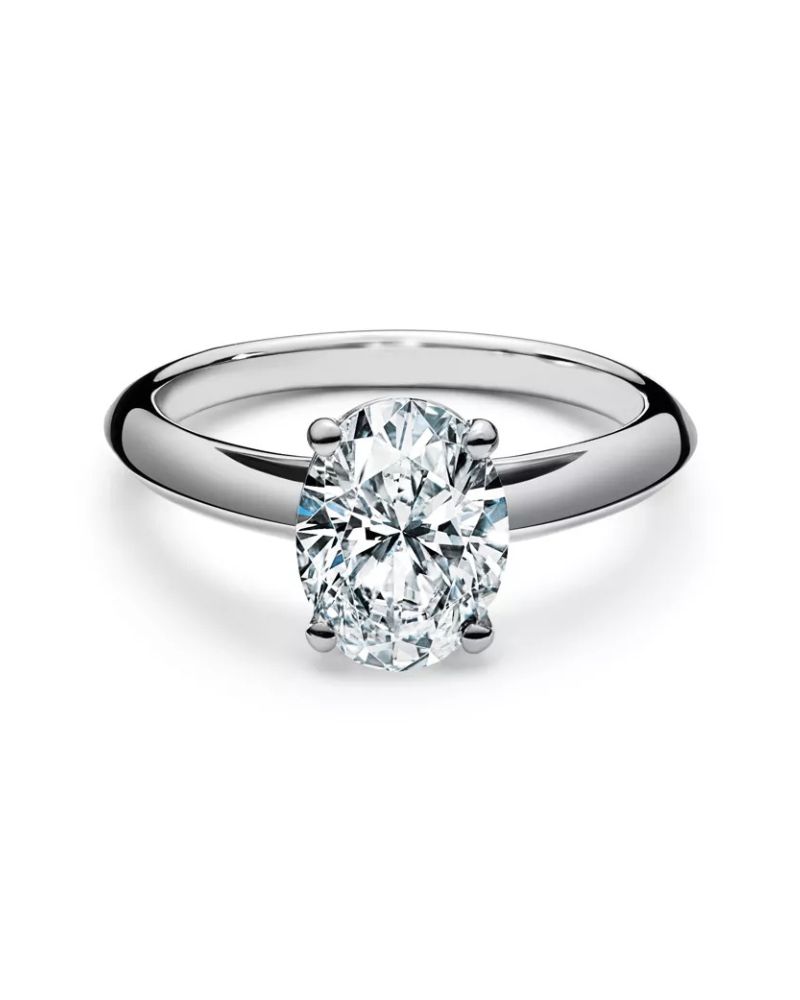
First, always buy certified. IGI certification is the most practical choice for lab grown stones and it directly supports lab grown diamonds resale value when you decide to sell. Second, prioritise cut quality over carat size. A brilliantly cut one-carat stone will always outperform a poorly cut two-carat stone on the secondary market. Third, choose a classic design rather than a trend-driven one. Timeless settings, simple solitaires and clean lines hold their appeal across decades in a way that fashion-forward designs rarely do.
The bottom line
Lab grown diamonds resale value may not yet rival a Golconda solitaire sitting in a Cartier vault, but here is the thing nobody is saying loudly enough: the smartest buyers in the room stopped measuring worth in resale percentages a while ago. The secondary market is maturing, certified stones are landing serious offers and a generation that researches everything before it buys anything is rewriting what luxury actually means.
A lab grown diamond chosen well, set beautifully and worn with confidence is not the consolation prize. It is the considered one. Style has always belonged to the person who knows exactly why they made their choice and owns it completely. That, unlike a wholesale price index, never goes down.
Explore more stories in our Trend Report section.
(Image source: tiffany.com)