For three decades the playbook for luxury hospitality was remarkably simple and, it has to be said, remarkably consistent. More marble, higher thread counts, a bigger spa, a longer menu and a pool with a better view than the one next door. The assumption underneath all of it was that the guest who could afford anything wanted more of everything, and for a long time that assumption held. Then, quietly and decisively, it broke. The word that has replaced it is hushpitality.
The term coined by Hilton in its 2026 Trends Report is now the most commercially significant concept in the world of luxury travel today. What makes hushpitality so interesting is that it represents a fundamental reorientation of what the world’s most valuable guests are actually paying for when they choose where to stay, and it goes far deeper than any design aesthetic or marketing angle. And the data behind it, drawn from Hilton’s global research with 14,000 travellers across 14 countries, is more definitive than anything the industry has seen on this question before. Fifty-six percent of luxury travellers say their primary motivation for travel in 2026 is to rest and recharge.
Sixty-three percent say downtime is their primary reason for travelling at all. Thirty-seven percent want to spend time in nature. Thirty-six percent want to actively improve their mental health. And a striking 48 percent are now adding solo days to their itineraries specifically for peace and solitude, either before or after group trips, because they simply cannot get enough quiet inside the group experience itself.
This is the guest the industry needs to understand in 2026: not the guest who wants to see and be seen, but the guest who is paying a very significant amount of money to disappear entirely and feel genuinely restored when they return.
What hushpitality actually means operationally
Before getting into which brands are building genuine hushpitality programmes and which are simply using the vocabulary without doing the work, it is worth being precise about what hushpitality actually requires operationally. Because the distinction matters enormously, and the gap between the two is exactly where most of the industry currently finds itself sitting.
Hushpitality is not a spa and it is not a meditation class added to the activities schedule. It is not a room decorated in calming neutrals or a lobby that deploys the word sanctuary somewhere in its brand guidelines. In its truest operational form, hushpitality is the deliberate removal of stimulation from every single point in the guest experience.
Skift’s 2026 luxury hospitality report frames the commercial dimension of this with admirable clarity. The fastest-growing segment of luxury travellers now pays a premium for less: less noise, less stimulation, less congestion. And it is worth pausing on the word premium in that sentence, because this is emphatically not a discount model or a niche preference. The guests seeking hushpitality luxury hospitality are the most commercially valuable guests in the entire market.
They are the guests who spend the most per night, who stay the longest, and who return the most frequently. The challenge for the industry, and the genuine opportunity for the brands that see it clearly enough to act, is that hushpitality simply cannot be retrofitted onto an existing product. You cannot add silence to a property that was built around spectacle. You cannot offer genuine restoration in a space that was designed for performance and stimulation. The brands winning in this space have understood this from their very foundations, and they have built their entire product around the deliberate absence of the things that most luxury hotels still compete on.
The result that makes hushpitality commercially significant
Before looking at specific brands and what they are actually doing on the ground, the commercial result at the heart of hushpitality needs to be stated plainly. Bain and Altagamma’s June 2026 Worldwide Luxury Market Study confirmed that consumer sentiment towards experiences is outgrowing tangible goods by 1.5 times in 2026. That growth is structural and cultural rather than cyclical, reflecting a profound shift from ownership to lived moments that has been building since the pandemic and is now the dominant force shaping how UHNW consumers allocate their luxury spending.
Within the experiences category, luxury hospitality is the single strongest performer of all. And within luxury hospitality specifically, the properties delivering genuine rest, restoration and quiet are consistently and measurably outperforming those still competing on traditional amenity metrics.
The Hilton data adds the most precise number available to this conversation: 63 percent of travellers say downtime is their primary reason for travelling. The brands that have built their product around that insight are in a fundamentally stronger commercial position than those still competing on what they can pile on, and that gap is only going to widen from here!
The brands that are genuinely embracing the concept of hushpitality
Not every brand that uses the word hushpitality, or wellness, or quiet luxury in its communications has actually built a product around those principles, and that distinction matters enormously to the guests who care about it most. So it is worth being specific about the properties that have made genuine operational commitments to this model.
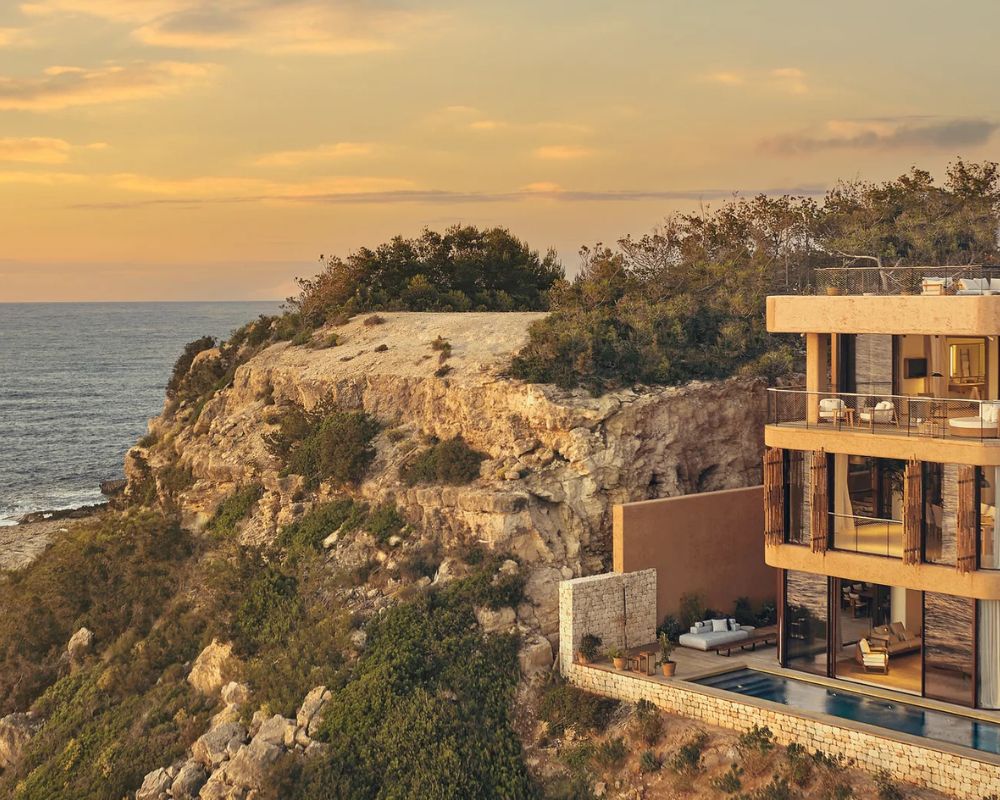
Six Senses Ibiza is probably the clearest and most compelling European example of hushpitality luxury hospitality built genuinely from the ground up. The property sits on the island’s quieter northern edge in Cala Xarraca, deliberately positioned at the opposite end of Ibiza from its globally recognised reputation for noise and excess. The 137 rooms are arranged to maximise acoustic privacy throughout the property.
The programming is built around slow, sensory-driven dining, natural hot spring bathing, a modern tea ceremony alcove and an Earth Lab sustainability centre that invites guests to engage actively and meaningfully with the land around them rather than simply being entertained by the property.
Hotel The Mitsui Kyoto represents the Japanese approach to hushpitality luxury hospitality, which is arguably the most developed and the most culturally embedded in the world because it draws on a tradition of quiet that goes far deeper than any contemporary hospitality trend. In 2026, the property is launching a new onsen-based healing and sleep journey centred on thermal spring bathing, guided relaxation and sleep-enhancing rituals designed to improve rest quality at a genuine physiological level.
This is wellness as a structured programme built around sleep science, cultural ritual and the deliberate reduction of sensory input. The programme reflects a broader truth about hushpitality luxury hospitality at its most sophisticated: that it is informed by evidence and built rigorously around measurable outcomes rather than around aesthetics alone.
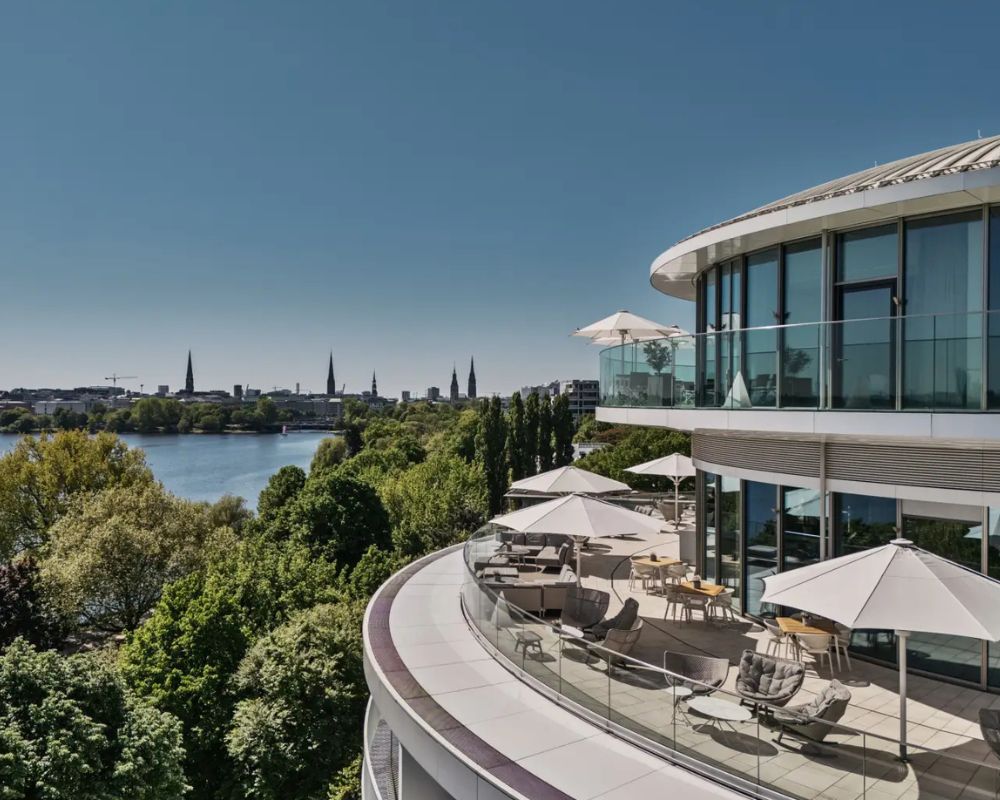
The Fontenay in Hamburg has taken a different approach that is equally interesting and equally genuine. The property partnered with Felix Jud, Hamburg’s historic independent bookseller, to curate a library of more than 1,000 titles, making reading one of the hotel’s most talked-about signature experiences. The library is designed to feel like an elegant private residence rather than a hotel common room, inviting guests to step completely away from the city’s energy and spend an afternoon immersed in books or in blissful, uninterrupted silence.
What The Fontenay has understood beautifully is that genuine hushpitality requires a deep and deliberate commitment to creating spaces that make overstimulation physically and architecturally impossible.
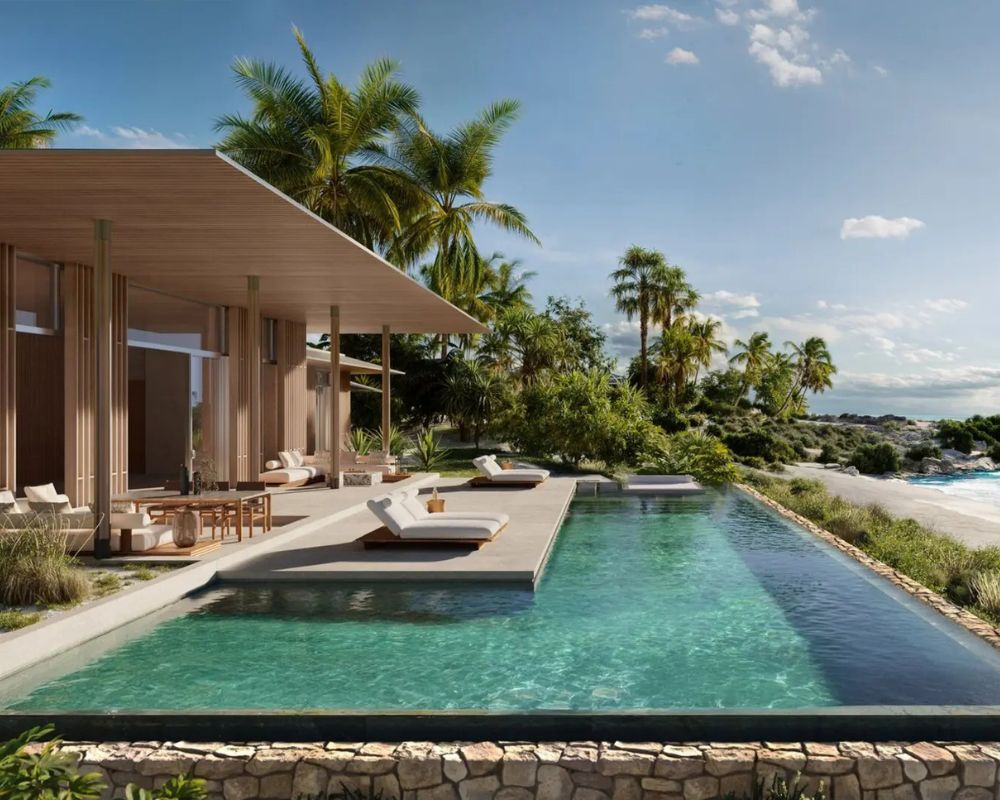
Aman is the brand that arguably invented the spirit of hushpitality luxury hospitality long before the word existed. With fewer than 60 rooms at most properties and a brand-wide philosophy built around deliberate removal from stimulation, Aman designs every property around the idea that the most valuable thing it can offer its guests is complete control over their own environment.
Many Aman properties are deliberately engineered for silence and solitude rather than for family activity or social programming, reflecting a brand-wide conviction that the rarest luxury available to the world’s wealthiest guests is the ability to determine precisely how much of the world reaches them.
When hushpitality becomes a performance
For every property genuinely building around these principles, there are a great many more that have added the vocabulary of quiet luxury to existing products without changing those products in any meaningful way.
Cristiano Cabutti, former General Manager of JW Marriott Venice Resort and Spa, articulated the genuine guest expectation behind hushpitality beautifully when he said that luxury is no longer about opulence, wealth or the richness of materials, but about the depth of the experience and the emotions it leaves behind. That is a sophisticated and accurate understanding of what hushpitality requires at its core.
The test for any property making this claim is actually quite straightforward. Can a guest arrive, check in and experience genuine, unstructured quiet without any programming, activity or stimulation being offered or suggested to them at any point during their stay? If the answer to that question requires any asterisks or qualifications, the property has not yet built a genuine hushpitality product.
What hushpitality reveals about the future of luxury hospitality
The hushpitality shift reflects a genuine and lasting change in what luxury means to the people who can afford to define it entirely on their own terms.
For the past three decades, luxury was defined by accumulation, and this shift represents the most direct commercial challenge to that model in a generation. The luxury hospitality industry was built around proving convincingly that it had more of the best things than its competitors.
What replaced it, and what this movement represents commercially at the highest levels of the market, is the recognition that the rarest luxury available to the world’s wealthiest people is the experience of genuine restoration.
Bain confirmed that luxury experiences are outgrowing goods by 1.5 times in 2026. Hilton confirmed that 63 percent of luxury travellers now prioritise downtime above every other travel motivation. Skift confirmed that the fastest-growing segment of the luxury market pays a premium specifically for less. Together, those three data points from three of the most credible intelligence platforms operating in the global travel market tell exactly the same story.
This shift is a permanent and structural reorientation of the value equation at the very top of the travel market, and the brands that have understood it operationally rather than just linguistically are building a commercial advantage that will compound over the next decade in ways that will prove very difficult for their competitors to close.
The commercial lesson behind hushpitality
Read next on The Pillar Edit: How Rosewood AMAALA built the world’s first zero-carbon ultra-luxury resort.
(Feature image credit: aman.com)