

Today is World Luxury Day 2026, and every October 8, the luxury industry returns to the same four words: excellence, craftsmanship, innovation and sustainability. Brands celebrate them, executives reflect on them, and the language surrounding luxury becomes polished and familiar, sounding remarkably similar from one year to the next.
The Pillar Edit takes a different approach to World Luxury Day 2026: five brands, five sets of numbers, and the evidence behind the claims. Not just talking about luxury, but actually delivering it.
The five brands walking the talk
Excellence: Hermès
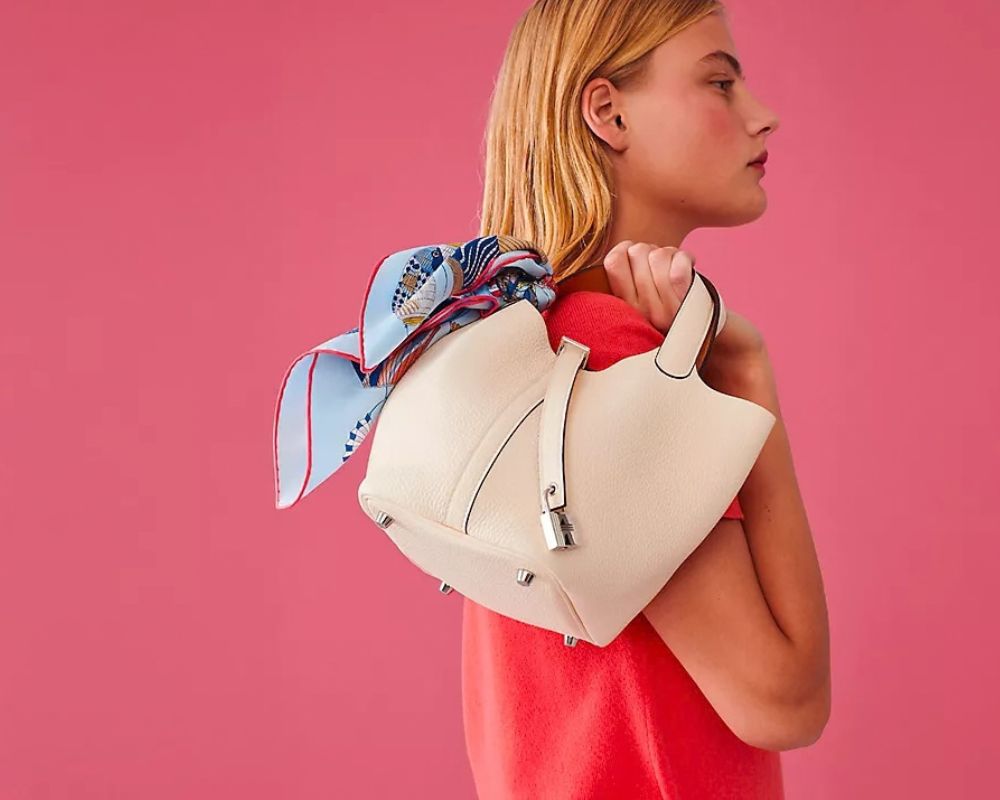
Start with the World Luxury Day 2026 excellence number that says everything. Hermès runs at a 42.1 percent recurring operating margin on approximately €16 billion of revenue. In 2026 it overtook Louis Vuitton as the world’s most valuable luxury brand according to Kantar BrandZ, reaching $113 billion. The Birkin resells above retail. The Kelly resells above retail. Pristine pieces sell for upwards of 200 percent of what they cost new.
None of this happened by accident and none of it happened quickly. It is the commercial return on sixty years of the same decisions, made in the same direction, without exception. Quality over volume. Distribution control over accessibility. Conviction over trend. The brands that describe excellence as a value tend to compromise it when compromise is commercially convenient. Hermès has made excellence an operational standard, which is a completely different thing, and the 42.1 percent margin is the most honest available measure of what that difference is worth.
Craftsmanship: Brunello Cucinelli
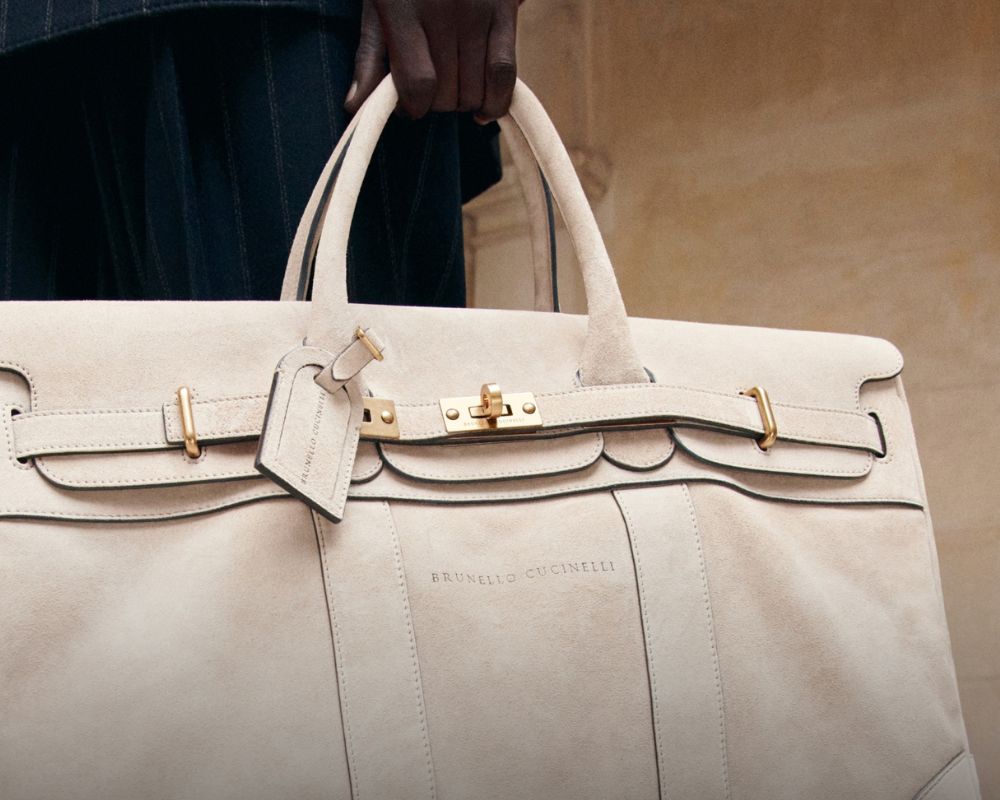
The World Luxury Day 2026 craftsmanship story starts in April, when LVMH, Kering and Hermès published results that sent their share prices sharply lower, Brunello Cucinelli grew 14 percent. The founder called it the finest moment in the company’s history. The understatement is part of the point.
Brunello Cucinelli pays its artisans 20 percent above the Italian market rate, operates from the medieval village of Solomeo in Umbria which it has rebuilt as a working creative community and calls its model humanistic capitalism, the idea that treating the people who make things well and treating shareholders well are the same objective pursued through the same decisions. The 14 percent growth while the rest of luxury contracted is the commercial verdict on whether that idea holds. It does. The consumers who kept buying Brunello Cucinelli while walking away from other brands were buying the craft and the conviction behind it, and those two things are considerably harder to walk away from than a logo.
Innovation: Rare Beauty
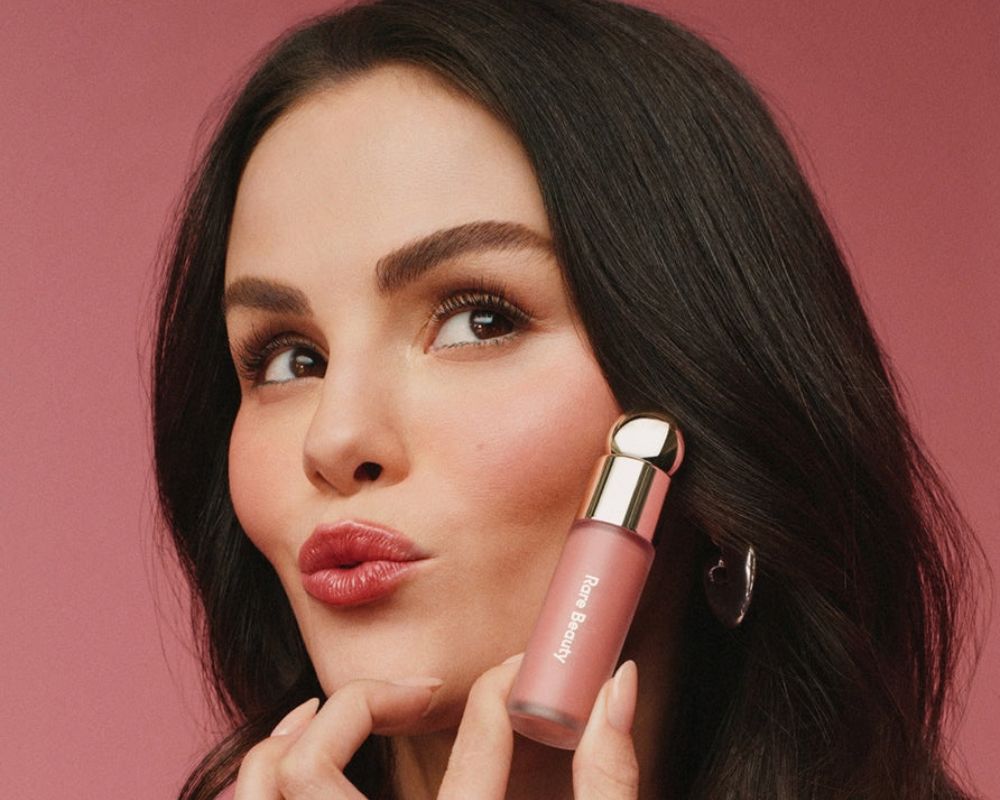
The World Luxury Day 2026 innovation conversation keeps returning to AI. Selena Gomez built the most interesting World Luxury Day 2026 innovation story in beauty.
When Rare Beauty launched, one percent of every sale went to the Rare Impact Fund for youth mental health, before the brand had sold a single product, before anyone knew whether this was going to work. By 2026 the fund has raised over $30 million, supports 30 organisations across five continents and reaches 3.5 million young people a year. The brand is valued at $2.7 billion. Gomez has rejected every buyout offer.
The innovation is architectural. Rare Beauty wired the purpose into the founding structure so that every commercial decision that grows the brand simultaneously grows the fund. Expanding into 1,500 Ulta Beauty stores in February 2026 grew the fund. Sephora donating 100 percent of global Rare Beauty sales on World Mental Health Day grows the fund. The commercial and the purposeful are the same thing, and that is the most genuinely innovative structure in luxury beauty right now, more interesting than any algorithm.
Sustainability: Stella McCartney
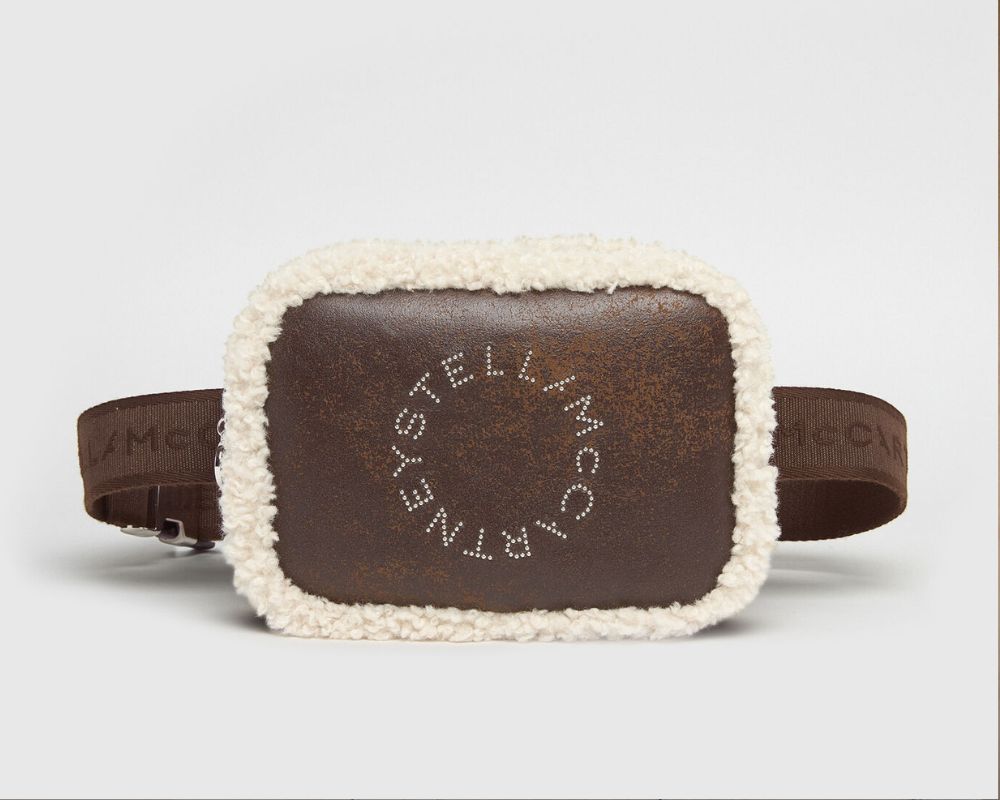
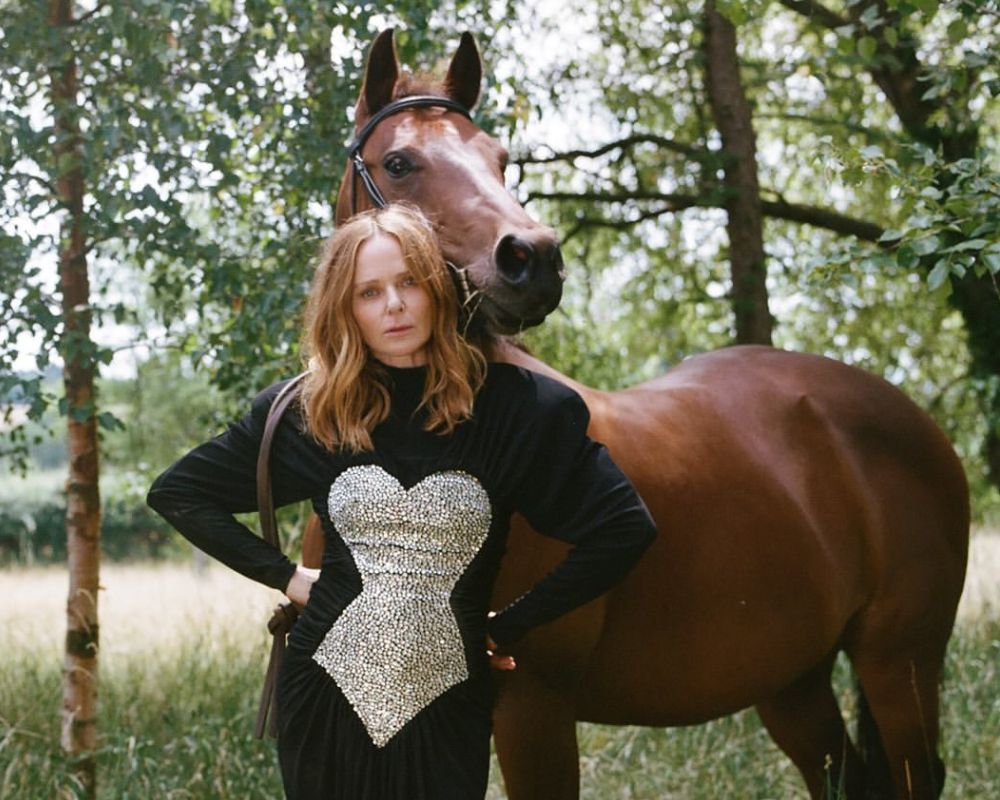
Stella McCartney has used no leather, no fur and no animal products for twenty-five years. This was a radical commercial position when she launched in 2001 and it remains a commercially specific and operationally verified one in 2026.
The brand is a certified B Corporation, the most rigorous available third-party assessment of a company’s social and environmental performance. It uses alternative materials including Mylo mycelium leather, Bolt Threads bio-fabricated silk and recycled cashmere across its collections. It has been carbon neutral since 2019. Its 2025 sustainability report documents progress against specific operational targets in supply chain transparency, material sourcing and circular design.
The Stella McCartney sustainability story is commercially instructive on World Luxury Day 2026 because it demonstrates what twenty-five years of sustained commitment looks like operationally. The brand has always treated sustainability as an operational standard rather than a seasonal campaign. It has built it into every material decision, every supply chain relationship and every product category since its founding year.
Deloitte’s Global Powers of Luxury 2026 report confirms that sustainability is shifting from compliance to innovation, with 25.7 percent of luxury executives naming R&D and innovation programmes as their top sustainability priority. Stella McCartney arrived at that position twenty-five years before the industry survey confirmed it was the right direction.
All Four Values: Sabyasachi
The fifth World Luxury Day 2026 brand on this list is the one most global luxury publications will overlook today, which is itself a statement about what the industry still considers luxury and what it does not.
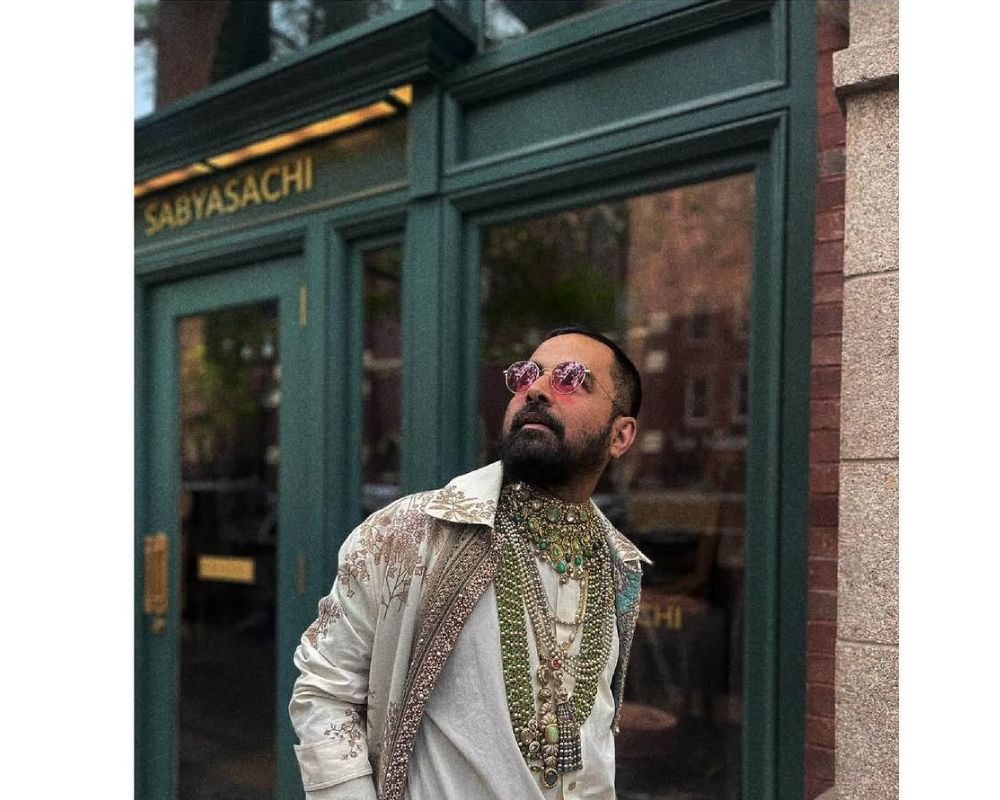
Sabyasachi Mukherjee launched in Kolkata in 1999. He stayed in Kolkata. He kept the work resolutely Indian. He has spent twenty-seven years doing the opposite, building a global audience for a resolutely Indian aesthetic, employing Indian artisans at living wages, crediting the specific craft tradition and the specific region on every piece and in every campaign, and watching a handcrafted jewellery line develop prices that rival the European houses he has always declined to imitate.
The Met collaboration happened. The NYFW debut happened in September 2026. The international recognition arrived, and it arrived because he refused to pursue it on anyone else’s terms. The excellence is in the craft. The craftsmanship is in the embroidery, the zardozi, the weave. The innovation is in proving that a luxury brand can be globally authoritative while remaining completely specific about where it comes from. The sustainability is in a model that keeps Indian craft traditions commercially viable at a moment when they are most at risk.
All four World Luxury Day 2026 values. One brand. Still in Kolkata.
World Luxury Day 2026: What these five brands have in common
None of these five World Luxury Day 2026 brands chose their values because a brand consultant recommended them. Each one built something around a conviction that existed before there was a commercial argument for it, and the commercial argument arrived later.
Hermès chose quality over volume before the resale market confirmed that quality was the only thing that held its value. Brunello Cucinelli chose to pay his artisans well, a World Luxury Day 2026 craftsmanship decision made before the contracting luxury market confirmed that craft conviction was the only thing consumers would keep paying for.
Selena Gomez chose to wire mental health into Rare Beauty’s founding structure before the beauty industry confirmed that purpose-built brands outlast purpose-adjacent ones. Stella McCartney chose materials that existed before the alternatives did, before the supply chain caught up and before the regulators started asking questions. Sabyasachi chose to stay in Kolkata before the global luxury audience confirmed that specificity of origin is more valuable than universality of address.
The 42.1 percent margin. The 14 percent growth. The $2.7 billion valuation. The twenty-five-year B Corp. The World Luxury Day 2026 global brand that stayed home.
These are the five World Luxury Day 2026 brands that earned the right to celebrate.
Read next on The Pillar Edit: Case Study: how Selena Gomez built a $2.7 billion brand by putting mental health before makeup.