



Twelve months ago, Gucci was losing a quarter of its business. In Q2 2026, that decline had narrowed to just 2 percent.
Gucci’s recovery under Demna has been striking: from a 25% decline in Q2 2025 to 19% for the full year, then 8% in Q1 2026 and just 2% in Q2. The Gucci Demna era has brought the brand remarkably close to growth. The trajectory is unmistakable, but the turnaround is still a turnaround. The next question is whether Gucci can finally cross that line.
The shift from minus 25 percent to minus 2 percent was enough to send Kering’s shares up 18 percent in a single session when the July results landed. Analysts had been expecting a 5 percent decline. Instead, they got a result that materially beat expectations.
For Luca de Meo, who took over as Kering CEO in September 2025 with Gucci already deep in crisis, the language was measured: early signs of progress in brand desirability, commercial momentum and operating performance.
That makes the next quarter particularly important. Q3 results, due between October and November, should reveal whether Gucci has finally crossed that line, or whether the turnaround still has further to run.
What the data shows and what it does not yet confirm
Demna’s February 2026 debut in Milan was immediately recognisable to anyone who had been watching Gucci closely. There was the sensuality, the precision and an unmistakable echo of Tom Ford’s mid-1990s reign at the house. The collection made a provocative case in clothing: perhaps Gucci’s most commercially powerful version is also its most dangerous, and reclaiming that energy could be the route back.
America appeared to hear the argument first. North America, which accounts for 27 percent of Gucci’s directly operated retail sales, grew 9 percent in the first half of 2026 and 8 percent in Q2 alone. Both transaction volumes and average basket sizes increased, giving Gucci something it had been missing for three years: evidence that desirability was beginning to translate into actual spending.
Then came another telling signal. Bank of America’s Brand Momentum Indicator moved Gucci from 26th place in Q1 2026 to sixth in Q2, a 20-position jump in a single quarter. That kind of movement suggests a brand returning to the cultural conversation with genuine force, rather than simply generating attention around a new creative direction.
The Gucci-Demna question now becomes more interesting: can that cultural momentum turn into sustained commercial growth?
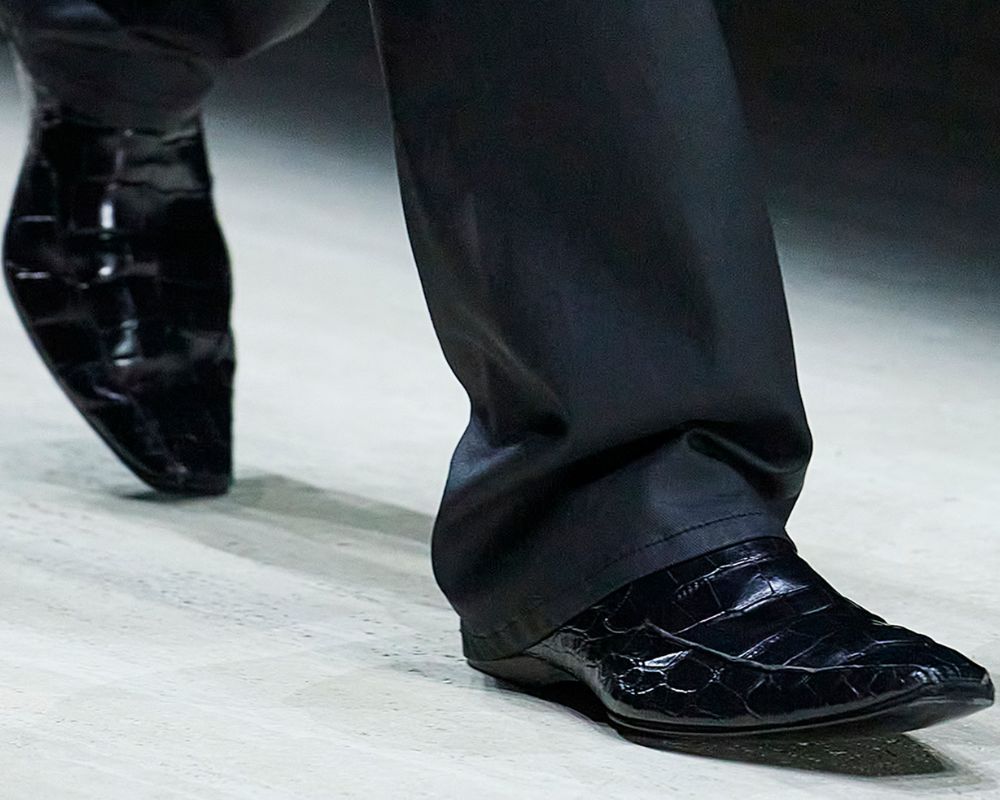
The two resets running simultaneously inside Gucci
The Gucci Demna story is really two stories being told at the same time, by two different people, at two different speeds.
Demna is building desire. His case is simple: the house was at its most commercially powerful when it was at its most specifically itself, and Alessandro Michele’s era of abundant maximalism, which produced extraordinary growth and then equally extraordinary exhaustion, needs to be set aside entirely. What Demna has put in its place is leaner, sharper and considerably more loaded. The Brand Momentum Indicator’s twenty-position move in a single quarter is the data expression of what happens when a brand stops speaking to everyone and starts speaking with conviction to someone.
Luca de Meo is building the conditions for desire to become revenue. Since taking the CEO role in September 2025 he has closed 84 stores in six months, sold Kering’s beauty unit to L’Oréal and rationalised a wholesale network that had been too wide for a brand trying to reclaim premium positioning. Wholesale revenue jumped 13 percent in Q2 as a consequence of having fewer, better partners.
The result of both resets running together: H1 2026 EBIT of €921 million, 6 percent above what the market expected and flat year-on-year despite a revenue decline. Fewer stores. Fewer partners. The same profit. That is a healthier business than Gucci had twelve months ago even though it is a smaller one.
The inconvenient truth that sits inside the encouraging numbers
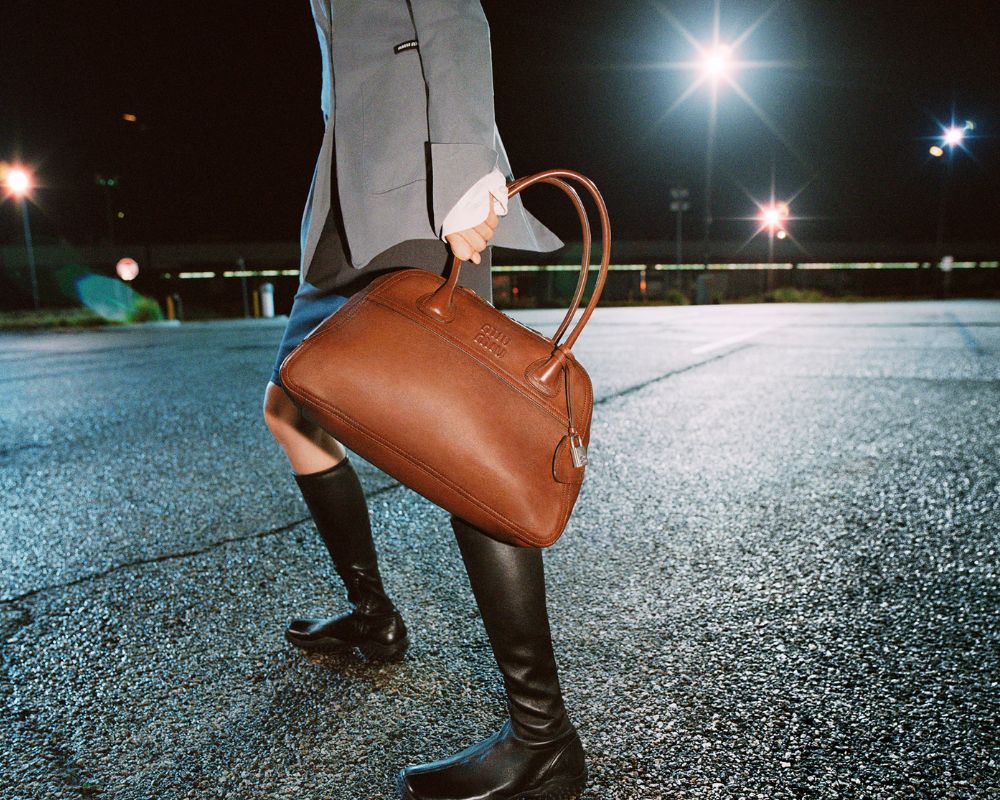
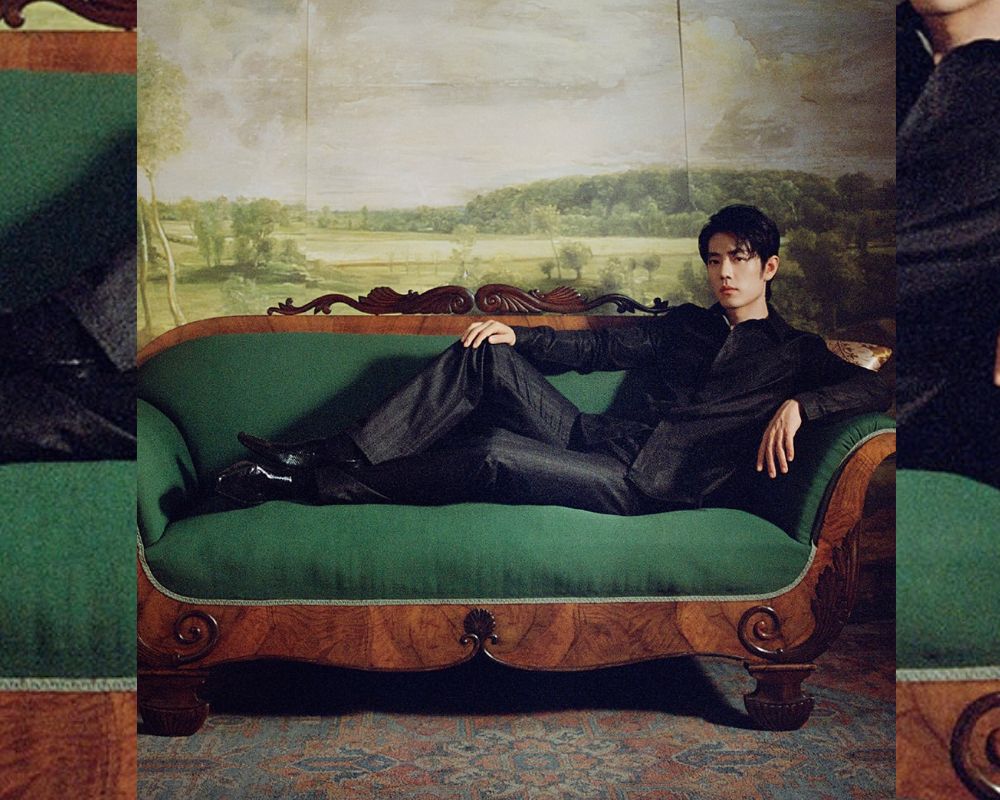
The Gucci Primavera campaign arrived in August with Jin, Kate Moss, Shawn Mendes and Xiao Zhan, and the $9,900 jacket Jin wore sold out within hours. The brand has that quality again, the combination of desire and edge that a luxury house needs to feel genuinely alive rather than merely operational.
But Hermès grew 6 percent while Gucci declined 2 in the same period. Miu Miu grew 35 percent through the full year 2025. Chanel’s brand value rose 45 percent without Matthieu Blazy having shown a single collection. The Gucci Demna story, at its current chapter, is a brand reclaiming cultural authority while its commercial peers extend their lead.
The most telling number in the Q2 results is the one that receives the least attention. Western Europe, 27 percent of Gucci’s directly operated retail revenue, fell 8 percent in Q2. This is the market Demna’s creative language speaks to most directly, the European consumer who recognises the Tom Ford reference, who understands what he is doing with the proportions and the sensuality. That market is still declining. North America’s 8 to 9 percent growth is real and valuable. But the Gucci Demna reset has so far found its most immediate commercial audience on the wrong side of the Atlantic.
Why Chanel belongs in the Gucci turnaround story
At some point in 2026, Chanel’s brand value rose 45 percent. Matthieu Blazy had been appointed creative director. He had shown nothing yet.
Sit with that for a moment. A brand’s value increased nearly half in twelve months before the person responsible for its creative future had presented a single garment. That is institutional gravity. That is what a century of distribution control, pricing discipline and customer trust produces: a market that believes in the house regardless of what is in the window.
What Gucci is building is different in every way. The Gucci Demna recovery requires Demna to show something, the market to respond to it, the response to convert into footfall, the footfall to convert into transactions and the transactions to exceed the prior year’s numbers. It is a longer, more contingent chain than the one Chanel operates on.
It is also more interesting to watch. The Gucci Demna story is being written in real time, quarter by quarter, campaign by campaign, and every number that lands either extends the narrative or challenges it.
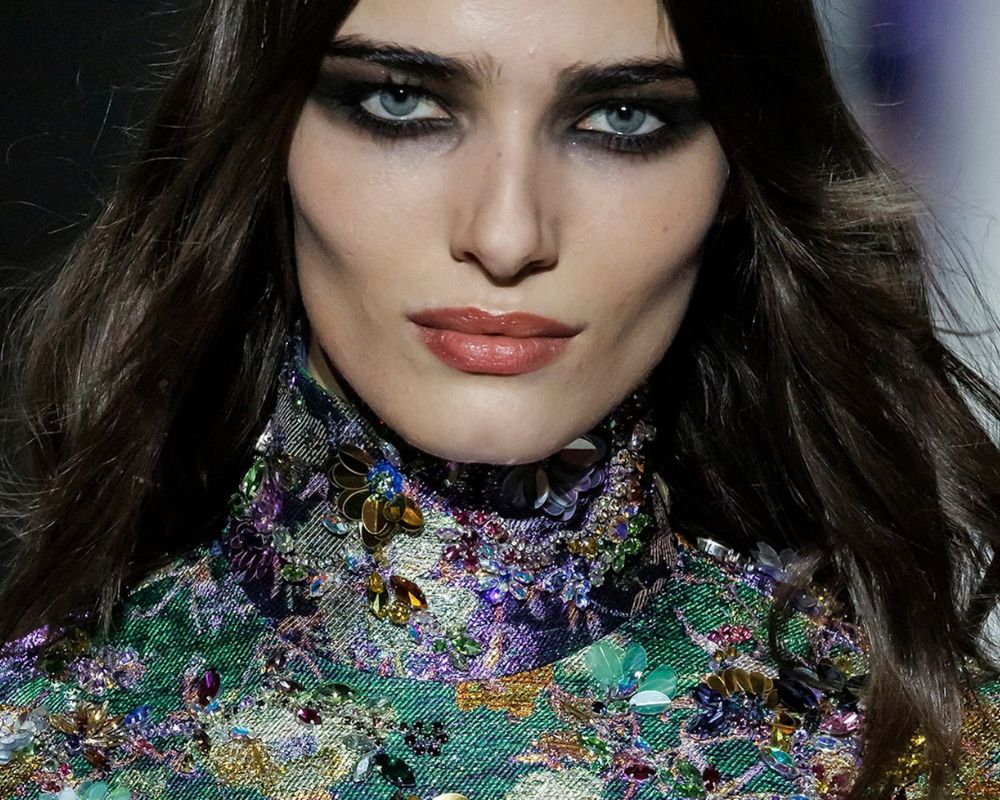
The Q3 test for Gucci’s turnaround
Kering publishes Q3 earnings in October to November 2026. The Gucci Demna chapter that those numbers write will be either the moment the recovery became undeniable or the moment the questions became louder.
Demna’s first complete collection landed in stores on July 15. A major campaign followed in August. The Q3 period is therefore the first quarter in which the full commercial proposition Demna has been building was available to a consumer who could walk in and buy it. The results will reflect, for the first time, whether the desire Demna has generated translates into revenue at scale.
Three specific things need to appear. Positive comparable sales growth at Gucci, because minus 2 percent has exhausted its usefulness as a milestone and the market is waiting to see the line cross into positive territory. Stabilisation in Western Europe, because a European house declining in Europe while growing in America is a house whose creative vision has yet to reach its most natural audience. Margin stability alongside any revenue improvement, because growth bought through promotion or distribution expansion is a different kind of growth from growth earned through genuine consumer demand.
The Gucci Demna recovery has been the most closely watched turnaround story in luxury for the better part of two years. In a few weeks, it gets its next chapter. The watching becomes a verdict and the story moves on to whatever comes after.
Read next on The Pillar Edit: Celine is the most-searched brand on resale in 2026, thanks to Phoebe Philo.
(Image credit: gucci.com)