


In a small rose garden in Normandy, where the May rose is grown for some of the most expensive perfumes in the world, the LVMH science team has just done something genuinely remarkable. It has cut water consumption by 30 percent without losing a single rose. The project is the result of a multi-year collaboration between LVMH Gaïa, the group’s science and innovation arm, and Parfums Christian Dior, the perfume house behind J’adore and Miss Dior.
So when you hear the phrase LVMH water innovation in 2026, this is the project that defines it. Sensors in the soil, weather forecasts in the irrigation system, real-time data shaping every drop of water that touches the roots of a single rose bush. The result is a 30 percent saving, the Bronze LVMH LIFE 360 Award, and a working blueprint that the rest of the luxury industry is now studying carefully.
So here is the full case study. What LVMH Gaïa actually is, what the team built with Parfums Christian Dior, and why this small project may be the most consequential thing happening in luxury sustainability right now.
What LVMH water innovation actually means in 2026
To understand the project, you first need to understand the organisation behind it. LVMH Gaïa is the scientific and innovation arm of the LVMH group. It is set up to bring real research, real engineering, and real partnerships with universities and startups into the luxury supply chain. The Maison’s official tagline is “LVMH Gaïa, Science for the new luxury,” which is a more accurate description than it sounds. The arm does builds working systems and so, the LVMH water innovation, as a concept, sits inside Gaïa as one of its most active workstreams.
The water side of the work matters because luxury, like every agriculture-dependent industry, is going to be reshaped by climate change over the coming decade. Roses, jasmine, vanilla, cotton, leather-yielding cattle, grapes, and every other natural ingredient that touches a luxury product depends on water that is increasingly hard to predict and increasingly costly to secure. So LVMH water innovation is about protecting the supply chain for the next forty or fifty years.
Inside the LVMH water innovation initiative at Dior’s Normandy rose garden
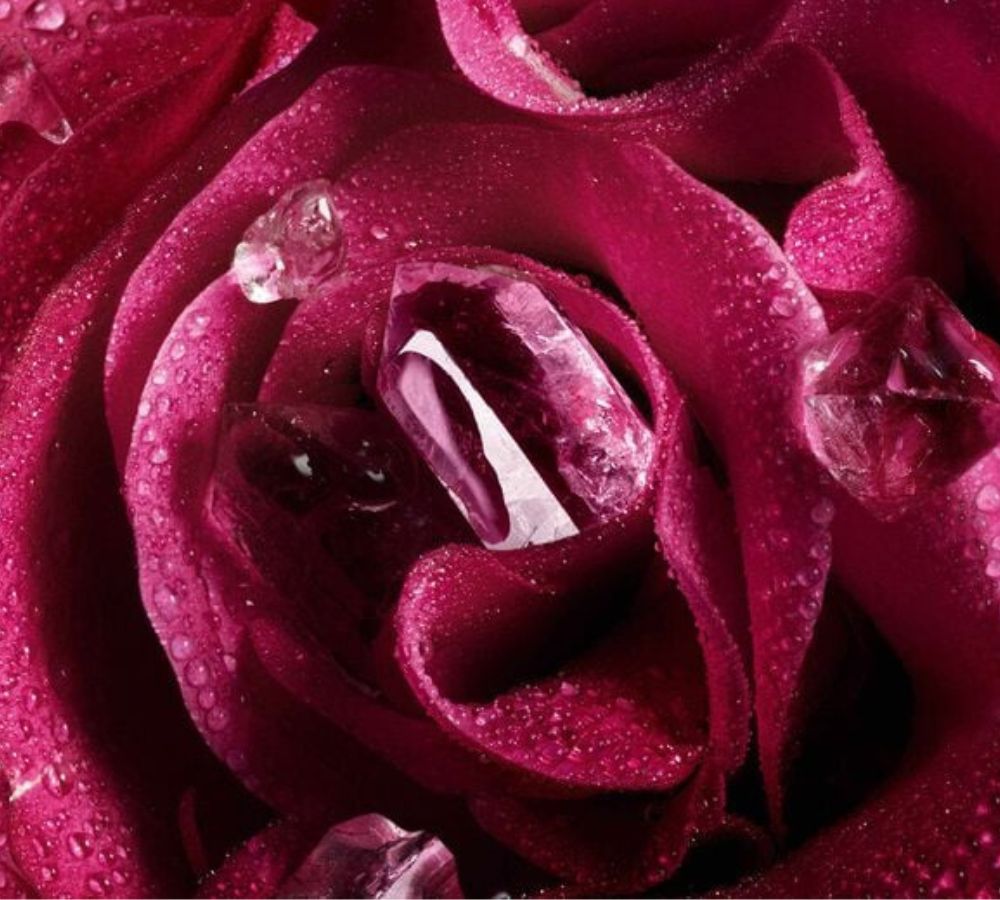
The actual project that won the LVMH LIFE 360 Bronze Award is small in scale and large in implication. In the Dior rose garden in Normandy, where the May roses for some of the most iconic Dior fragrances are grown, the team installed soil moisture sensors that measure the actual hydration of the earth in real time. The data feeds into an irrigation management tool that also integrates weather forecasts. So instead of running the irrigation system on a fixed schedule, as has been done for generations, the system now waters the roses only when the data says they need it, and only as much as the data says they need.
The initiative reduced water consumption across the rose garden by 30 percent without affecting growth or yield. In other words, this is not a sustainability trade-off. There is no compromise on quality, productivity or harvest. The roses continue to flourish as they always have; the only thing that changes is the amount of water needed to grow them.
This is the kind of result that gets people inside LVMH genuinely excited, because the model is also replicable. So once you have proven the system in one rose garden, you can roll it out to the other 41 gardens that Parfums Christian Dior maintains around the world. The real promise of LVMH water innovation lies not in one project, but in its potential to become a blueprint for the wider luxury industry.
Why LVMH water innovation won the LIFE 360 Award
LVMH runs its own internal sustainability programme called LIFE 360, which is short for LVMH Initiatives for the Environment 360, and it awards prizes each year to projects across the group that meet a specific bar of scientific and operational excellence. The Gaïa-Dior water collaboration won the Bronze in this year’s awards. So that is the recognition the project has already received within the group.
What the LIFE 360 jury cited specifically was three things. First, scientific rigour, which means the team did not just install sensors and write a marketing story. It published the methodology, validated the results, and could explain exactly why the 30 percent reduction had happened. Second, innovative spirit, which in this context means the team built something that did not exist before, rather than adapting an existing system. And third, collaborative nature, which is the most underrated part.
So the project required Parfums Christian Dior, LVMH Gaïa, and external scientific partners to actually work together at the operational level, share data, and trust each other through the process. That kind of cross-functional collaboration is rare in a luxury group of LVMH’s size, and the award recognised it deliberately.
The project’s significance was underscored by its inclusion in LVMH’s DreamGallery at VivaTech 2026. The showcase, which highlights the group’s most forward-looking innovations, featured only 12 projects from 11 Maisons. By selecting Dior’s water innovation, LVMH signalled that this is more than a sustainability initiative but a glimpse into the future of luxury itself, where scientific innovation enhances both performance and responsibility.
The bigger picture: LVMH water innovation inside Dior’s sustainability arc
Step back, and the rose garden project sits inside a much larger Dior sustainability strategy. So the 30 percent water saving is the most visible recent proof point of a broader commitment that Parfums Christian Dior has been building for years.
The numbers tell the story. Parfums Christian Dior maintains 42 gardens worldwide, 24 of which are dedicated specifically to skincare and fragrance ingredients. The Maison’s stated target is to operate 100 percent of those gardens (and partner gardens) under organic or regenerative agriculture by 2030. The target for 100 percent of natural raw materials grown in those gardens to be verified and certified by independent organisations is set for 2026.
Dior has also committed to preserving 74,000 acres of land through regenerative agriculture practices by the end of this year. And the brand has built a training partnership with HECTAR, the first agricultural campus in France dedicated specifically to regenerative cultivation, which will have trained 60 students in regenerative flower farming techniques by the close of 2025.
So LVMH water innovation at the Dior rose garden in Normandy is the engineering layer that sits on top of all of this. The sensors and the irrigation tool are the technical proof. The 42 gardens and the regenerative training programme are the broader operational commitment. Together, they form a sustainability stack that very few luxury houses have actually built at this scale.
LVMH water innovation: What it tells us about the future of luxury
When you decode this project the way Pillar Edit decodes other business case studies, the strategic lesson is clear: LVMH’s water innovation is about securing the future of luxury raw materials. The houses investing in engineering, regenerative agriculture and scientific research today are building resilience against climate uncertainty and protecting access to the ingredients their products depend on. Those that do not may find themselves navigating a future where roses, jasmine and cotton are increasingly scarce and expensive.
When LVMH Gaïa and Parfums Christian Dior demonstrate a 30 percent reduction in water use across a Normandy rose garden, they are securing the future cost base of fragrances that depend on that supply, including Miss Dior and J’adore. That is why this project matters. It offers a blueprint for protecting access to critical natural ingredients in an era of climate uncertainty. It is also why other luxury groups, including Kering, Richemont and Hermès, are paying close attention to how LVMH structured the collaboration, selected its scientific partners and built a model that could be adapted across other ingredient supply chains.
So the next time someone tells you that luxury sustainability is mostly marketing, you can point them to the rose garden in Normandy. The sensors are in the ground, the data is real and the 30 percent saving is one of the most consequential numbers in the entire luxury industry this year.
Read next: Louis Vuitton’s Regeneration 2030 strategy shows how luxury’s biggest groups are investing today to secure the raw materials they will depend on for decades to come. LVMH water innovation is a glimpse of a broader playbook.
(Image credit: Dior.com)
FAQ
What is LVMH Gaïa?
LVMH Gaïa is the science and innovation arm of the LVMH group. Its mission is to bring scientific research, engineering, and external research partnerships into the luxury supply chain. Its work spans biodiversity, soil health, water management, and broader sustainability infrastructure across LVMH’s Maisons.
What did the LVMH water innovation project at Dior achieve?
The project, a collaboration between LVMH Gaïa and Parfums Christian Dior, installed soil moisture sensors in Dior’s Normandy rose garden. The sensors feed an irrigation management tool that integrates weather forecasts to water the roses only when and as much as needed. The result was a 30 percent reduction in water consumption with no negative impact on rose growth.
What is the LVMH LIFE 360 programme?
LIFE 360 stands for LVMH Initiatives for the Environment 360. It is the group’s internal sustainability programme, with annual awards recognising scientific and operational excellence in projects across LVMH’s Maisons. The Gaïa-Dior water innovation project at the Normandy rose garden won the Bronze LIFE 360 Award.
What are Parfums Christian Dior's broader sustainability targets?
Parfums Christian Dior has committed to operating 100 percent of its 42 gardens (and partner gardens) under organic or regenerative agriculture by 2030, certifying 100 percent of natural raw materials by 2026, preserving 74,000 acres of land through regenerative practices by 2026, and training 60 students in regenerative flower farming techniques through its HECTAR partnership by 2025.