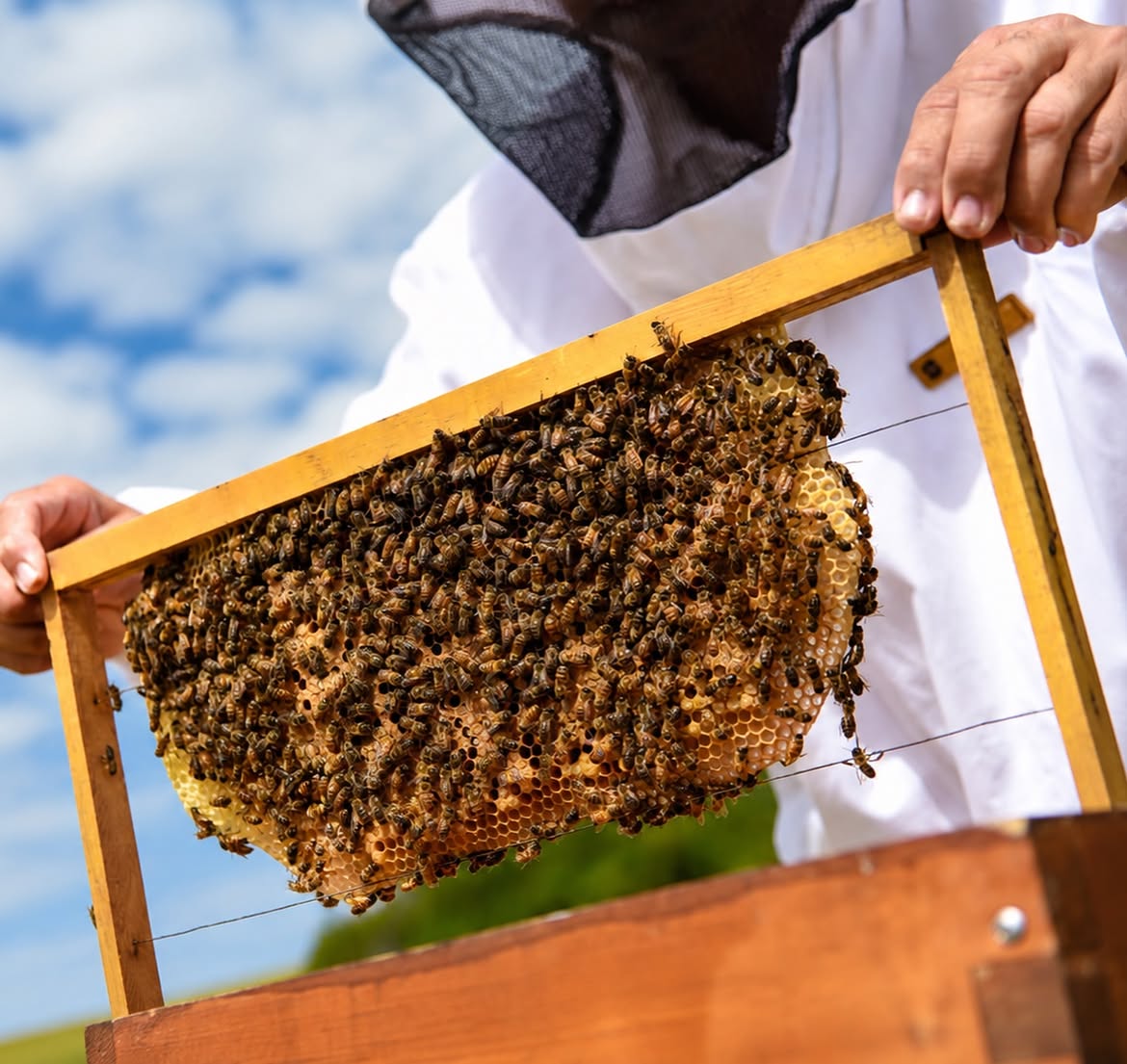




In the tropical gardens of Shangri-La Le Touessrok, a luxury resort on the east coast of Mauritius, something genuinely remarkable is happening. The Shangri-La Le Touessrok bees, numbering more than 700,000 across 16 carefully tended hives, have made the resort the first hotel in Mauritius to support more than half a million bees and the largest pollinator sanctuary within the entire country’s hospitality sector. The hives are managed by two beekeepers, Tony Myrtile and Etienne de Senneville, and the colonies are populated with a blend of Italian and Mauritian Apis Mellifera species that have adapted to thrive in the Indian Ocean climate.
So when industry observers talk about the future of luxury hospitality and biodiversity in 2026, the Shangri-La Le Touessrok bees are exactly the kind of story they mean. So this is the deeper case study. What the Shangri-La Le Touessrok bees actually represent, why their story matters more than ever right now, and how a trend across the global hospitality sector is positioning luxury hotels as some of the world’s most unlikely conservation partners.
What the Shangri-La Le Touessrok bees programme actually involves
To understand the significance of what is happening at Le Touessrok, you first need to understand the scale. Most luxury resorts that talk about sustainability are running token initiatives like reusable straws and locally sourced toiletries. The Shangri-La Le Touessrok bees programme is structurally different. The 16 hives represent a fully managed apiary on the resort’s grounds, integrated into the property’s tropical landscape, and producing real pollination support across the surrounding ecosystem. The two beekeepers, Tony Myrtile and Etienne de Senneville, are full-time professional apiarists, not volunteers or contractors brought in for photo opportunities. So this is a working agricultural operation embedded inside a luxury hospitality property.
The species mix is also worth understanding. The Shangri-La Le Touessrok bees are a blend of Italian Apis Mellifera, which is one of the most productive and gentle honey-producing strains in the world, and Mauritian Apis Mellifera, the local strain that has adapted to the island’s specific climate over centuries. So the colony combines proven productivity with local resilience, which is exactly the kind of design choice that distinguishes a serious conservation programme from a marketing initiative.
This is also why the Shangri-La Le Touessrok bees matter as a template. The resort has demonstrated that a hotel can host a functioning apiary at meaningful scale without compromising the guest experience. So other Indian Ocean resorts, and increasingly other luxury hotels in regions with strong pollinator decline, are studying the operational model closely.
Why the Shangri-La Le Touessrok bees matter more than ever in 2026
Step back from the resort specifically, and the broader argument for the Shangri-La Le Touessrok bees programme becomes urgent. Bee populations around the world are facing one of the most serious collapses of any animal group in recorded history. The three principal threats are climate change (rising temperatures disrupt breeding cycles and shift flowering seasons out of sync with pollinator life cycles), pesticide use (particularly the family of neonicotinoid chemicals that interfere with bee navigation and immunity), and habitat loss (the conversion of wild meadows and flowering grasslands into industrial agriculture or urban sprawl).
The stakes are existential. Pollinators are responsible for the reproduction of around 75 percent of the world’s food crops, and approximately 35 percent of global food production depends directly on pollinator activity. So a world without healthy pollinator populations is a world with significantly less food, dramatically more expensive groceries, and far less biodiversity in the wild systems that sustain everything else. This is the climate emergency most people overlook because the species in question is small.
That is why the Shangri-La Le Touessrok bees matter structurally. Luxury hotels typically sit on large parcels of carefully maintained land. They have multi-decade investment horizons because the property is the asset. They have the cash flow to fund full-time conservation staff. And they have brand reasons to engage with environmental stewardship because their guests increasingly demand it. So the luxury hospitality sector is in a unique position to host the kind of long-term, well-funded, professionally managed conservation work that public budgets often cannot sustain.
The wider trend the Shangri-La Le Touessrok bees represent in luxury hospitality
Once you start looking, the Shangri-La Le Touessrok bees programme is the most visible example of a trend that has been building across global luxury hospitality for several years. Across the Indian Ocean, the Maldives, and parts of Southeast Asia, a new generation of ultra-luxury resorts is integrating biodiversity protection into the operational core rather than treating it as a CSR add-on.
Six Senses Hotels Resorts Spas has been operating on-site permaculture gardens, zero-waste kitchens, and renewable energy systems across its global portfolio for more than a decade, with biodiversity restoration built into the design brief at every new property. Soneva Fushi in the Maldives runs extensive marine conservation programmes alongside its eco-luxury villas, restoring coral reefs and supporting marine biodiversity in waters that have lost significant ecosystem health over the past 20 years.
Rosewood Miramar Beach in California operates an on-site apiary supporting its kitchens at the Michelin-recognised Caruso’s, alongside a 90 percent sustainably sourced seafood programme that has reduced the restaurant’s carbon emissions by more than 203 tons annually. Hotel Belmar in Costa Rica‘s cloud forest runs Finca Madre Tierra, an on-site carbon-neutral farm that supplies much of the property and operates as a working biodiversity sanctuary integrated into the guest experience.
So the Shangri-La Le Touessrok bees represent the Indian Ocean’s most visible single proof point of this broader pattern. The pattern is that the most sophisticated luxury operators are are treating it as the central organising principle of the property itself.
The strategic decode behind the Shangri-La Le Touessrok bees model
When you decode this trend the way The Pillar Edit decodes other case studies, the strategic argument becomes sharp. The Shangri-La Le Touessrok bees programme delivers four distinct strategic returns at once, which is rare in any single category of corporate investment.
First, the biodiversity work directly supports the guest experience. A resort surrounded by healthy pollinator populations has more flowers, more birds, healthier landscaping, and a more immersive natural environment. So the conservation investment pays itself back in the daily guest experience.
Second, it builds defensible brand equity. Affluent travellers in 2026 are increasingly suspicious of marketing-driven sustainability claims, but they respond positively to verifiable, on-site, operationally embedded conservation work. The Shangri-La Le Touessrok bees are the kind of thing a guest can literally see, hear, and taste through the honey served at breakfast. So the brand equity is grounded in something real.
Third, it future-proofs the property against climate risk. A resort that actively supports the biodiversity of its surrounding ecosystem is also more resilient to the climate disruptions that increasingly affect coastal luxury hospitality. So the Shangri-La Le Touessrok bees programme is fundamentally a property insurance strategy in disguise.
Fourth, it positions the property within regulatory tailwinds. ESG reporting requirements, biodiversity disclosure frameworks, and carbon accounting standards are all moving in the direction of rewarding hotels that can demonstrate measurable ecological contributions. So the early movers in pollinator-led luxury hospitality are also the properties most prepared for the regulatory environment of the next decade.
What the Shangri-La Le Touessrok bees signal for the future of luxury
Taken together, the Shangri-La Le Touessrok bees programme and the wider trend it represents suggest a fundamentally different shape for luxury hospitality over the next ten years. The properties that define the next decade of the category will be the properties whose biodiversity programmes are genuine, professionally managed, and operationally embedded into the daily experience.
This shift has practical implications for how luxury hospitality groups should think about new property investment, brand positioning, and capital allocation. The Indian Ocean luxury sector in particular is positioned to lead this transformation, because the region’s biodiversity is both globally significant and acutely threatened by climate change. So the resorts that invest in programmes like the Shangri-La Le Touessrok bees model now will own the editorial conversation, the regulatory advantage, and the affluent traveller’s loyalty for the next generation.
So, the next time you stay in a luxury resort and notice the gardens humming with bees, or hear the dawn chorus of birds reclaiming a coastline, or notice that the menu features ingredients harvested from the property’s own land, pay attention. The properties doing this work right are building the only luxury hospitality model that has a chance of surviving the next 50 years of climate change.
Read next: Case Study: How LVMH Gaïa and Parfums Christian Dior Are Pioneering Water Innovation in Luxury, because the same engineering rigour reshaping pollinator conservation is now reshaping how luxury manages its most precious shared resource.
(Image source: shangrilamauritius/Instagram)
FAQ
What are the Shangri-La Le Touessrok bees?
The Shangri-La Le Touessrok bees are a managed apiary of over 700,000 bees across 16 hives at the Shangri-La Le Touessrok luxury resort on the east coast of Mauritius. The colonies are populated with a blend of Italian and Mauritian Apis Mellifera species, and they make the resort the first hotel in Mauritius to support more than half a million bees and the largest pollinator sanctuary within the country’s hospitality sector.
Who manages the Shangri-La Le Touessrok bees?
The Shangri-La Le Touessrok bees are managed by two full-time professional beekeepers, Tony Myrtile and Etienne de Senneville. They oversee the daily care of the 16 hives, monitor colony health, and manage the pollination work the bees perform across the resort’s surrounding ecosystem and tropical gardens.
Why do the Shangri-La Le Touessrok bees matter for climate?
The Shangri-La Le Touessrok bees matter because bee populations worldwide are facing one of the most serious collapses of any animal group in recorded history, driven by climate change, pesticide use, and habitat loss. Pollinators are responsible for around 75 percent of the world’s food crops and 35 percent of global food production. So managed apiaries on protected luxury hotel land are an increasingly meaningful contribution to global biodiversity resilience.