




There was a time when luxury travel was about discovery. The wealthy once prided themselves on finding hidden restaurants, obscure bars, and hyperlocal culinary experiences no one else knew about. Today, however, we increasingly notice the opposite happening. The global elite dine at the same luxury restaurants worldwide.
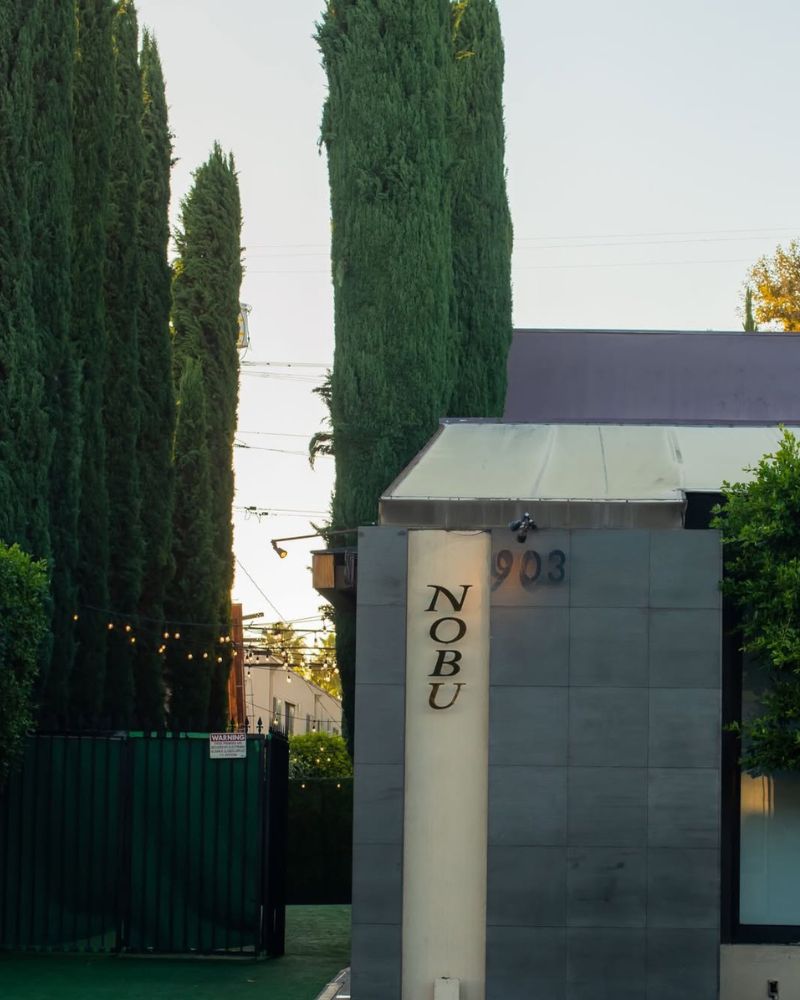
Whether it is Nobu in Malibu, Dubai, Doha, London, or Mykonos, or Cipriani in New York, Monte Carlo, Miami, Abu Dhabi, and Milan, the global elite seem to keep returning to the same luxury restaurants everywhere they travel.
The names barely change. Neither do the people.
Why the rich increasingly travel for familiarity rather than discovery
A hedge fund manager lands in Dubai and books the same restaurant he visits in Manhattan. A fashion executive flies from Paris to Miami and still orders spicy tuna crispy rice at Nobu. Somewhere between global luxury travel and hyper-curated lifestyles, familiarity quietly became the new luxury.
What these global elite luxury restaurants really sell is not just food. They sell predictability, social signaling, and cultural belonging.
The modern affluent consumer now lives inside a nonstop cycle of movement between fashion weeks, art fairs, Formula 1 weekends, luxury wellness retreats, and investment summits. Restaurants like Sexy Fish, Carbone, and LPM Restaurant & Bar increasingly function less like restaurants and more like global members’ clubs.
Nobu and Cipriani understood that luxury is really about familiarity
The appeal of places like Nobu and Cipriani is psychological as much as culinary. The food matters, of course, but that is rarely the real reason the global elite keep returning.
These restaurants offer something increasingly valuable in modern luxury: consistency. The lighting feels familiar, the crowd looks exactly as expected, and the service understands the quiet codes of global wealth without needing them explained. Luxury today revolves around frictionless living. The wealthy no longer always travel seeking novelty. Increasingly, they seek spaces that instantly make them feel like they belong.
That may explain why Nobu became more than a restaurant. It became a global luxury language associated with celebrity, discretion, and cosmopolitan affluence.
Cipriani, meanwhile, sells a different fantasy. Its Bellinis, polished interiors, white-jacket service, and old-world Venetian nostalgia make every location feel like familiar social theatre for the international elite.
Celebrity culture turned luxury restaurants into status symbols
Celebrity culture accelerated this shift dramatically. Figures like Leonardo DiCaprio, Kim Kardashian, David Beckham, and Rihanna have long been photographed moving through these same hospitality ecosystems across cities, reinforcing their association with global status and aspirational living.
Social media intensified the phenomenon further. Restaurants are no longer simply places to eat but are identity markers. Being seen at Nobu in Malibu or Cipriani in Dubai now communicates membership within a specific global luxury culture that affluent consumers instinctively understand.
The future of luxury dining may actually be less original
Ironically, the globalisation of luxury dining has made exclusivity feel increasingly standardised. The wealthy once traveled to experience difference. Increasingly, they travel to recreate the same controlled lifestyle everywhere they go.
That may ultimately explain why the global elite keep eating at the same restaurants around the world.In an era defined by overstimulation, uncertainty, and relentless movement, familiarity itself has quietly become one of the most powerful luxury experiences money can buy.
FAQ
What makes restaurants like Nobu and Cipriani so globally popular?
They offer a predictable luxury experience—recognisable menus, uniform service standards, and a social environment aligned with global affluence.
Do these restaurants change their menus across locations?
Most maintain core signature dishes with minimal regional variation to preserve a consistent global identity.
Why do the global elite prefer the same restaurants worldwide?
Because consistency signals comfort, trust, and familiarity in an otherwise constantly shifting travel and lifestyle cycle.