

What is a luxury conglomerate, exactly?
Let’s start simple. A luxury conglomerate is a parent company that owns a portfolio of luxury brands, often across multiple categories, and manages them all under one corporate roof. Think of it like this: instead of one brand being one standalone business, you have a holding group that owns dozens of them. Fashion houses, jewellery maisons, champagne labels, perfume lines, watch manufacturers, hotels and sometimes even media and art. The key difference between a luxury conglomerate and a regular fashion group is straightforward. Prestige is the product. These are companies whose entire business model is built on the cultural power of desire, specifically the ability to make people want something so deeply that price becomes secondary. The three names you’ll hear most often in any conversation about luxury conglomerates are:- LVMH (Moët Hennessy Louis Vuitton), the largest luxury group in the world
- Kering, home to Gucci, Saint Laurent, Balenciaga, and Bottega Veneta
- Richemont, the jewellery and watches specialist behind Cartier and Van Cleef & Arpels
Why do luxury conglomerates exist?
For most of the 20th century, luxury brands were exactly what they looked like: family-owned craft houses, often based in Paris, Milan, London, or Geneva. A handbag was made by hand and distribution was limited. Exclusivity wasn’t a marketing strategy but a physical reality. Then the world got bigger, faster, and considerably more expensive to operate in.The globalisation problem
By the 1980s and 1990s, luxury brands that wanted to grow were facing a hard truth: global expansion is brutally capital-intensive. Opening a flagship on Fifth Avenue, the Champs-Élysées, Bond Street, and Ginza simultaneously requires hundreds of millions of dollars. Most heritage houses simply didn’t have that kind of firepower on their own. Luxury conglomerates solved this problem decisively. With shared infrastructure, centralised capital, and global retail expertise, a conglomerate could take a beloved but underfunded brand and give it the machinery to scale without, ideally, losing what made it special in the first place.Supply chains, scale, and smart buying power
Another reason luxury conglomerates make strong economic sense is shared supply chains. When you own 70 brands, you have enormous leverage with suppliers. You can negotiate better prices for raw materials, including the leathers, silks, precious metals, and stones that underpin luxury goods. You can invest in manufacturing facilities that multiple brands share simultaneously. You can also centralise legal, logistics, and e-commerce infrastructure across the entire group. None of this is glamorous. However, it’s precisely what makes the difference between a brand that can operate profitably at scale and one that simply cannot.The China effect
Perhaps no single factor did more to accelerate the rise of luxury conglomerates than China’s economic growth. As hundreds of millions of Chinese consumers entered the middle and upper classes from the 2000s onwards, demand for luxury goods exploded almost overnight. Accessing this market, though, required deep local knowledge, substantial retail infrastructure, government relationships, and significant upfront investment. Luxury conglomerates, particularly LVMH, moved quickly and decisively into China. Individual brands operating alone could rarely have done the same.Digital transformation and the modern era
Then came the internet and social media. Then the expectation that a brand which began in a Parisian atelier in 1854 should also have a compelling TikTok presence and a seamless e-commerce experience in 2024. Digital transformation at a brand-by-brand level would have been prohibitively expensive and logistically chaotic. Instead, luxury conglomerates centralised the investment by building shared digital platforms, data capabilities, and marketing technology that each brand could simply plug into. As a result, luxury stopped being purely local craftsmanship and a global infrastructure.The big three: An overview of today’s leading luxury conglomerates
Before we go deep on LVMH, here’s a quick map of the landscape.LVMH: The Undisputed Giant
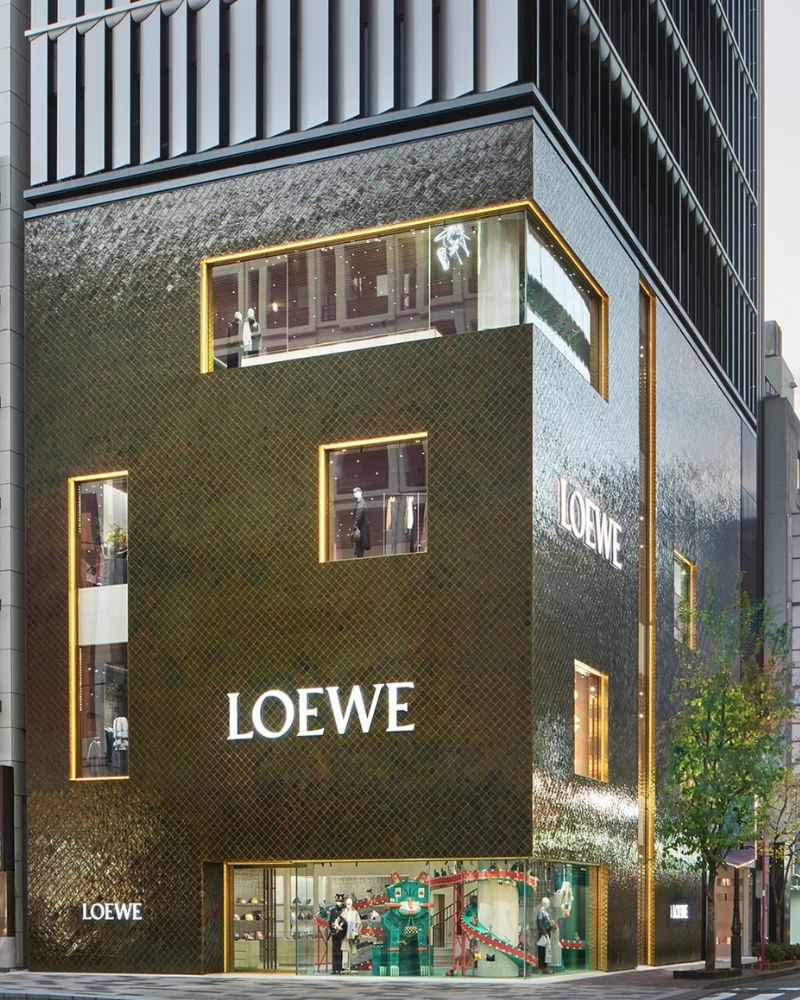
Headquarters: Paris, France Founded: 1987 (merger of Moët Hennessy and Louis Vuitton) Key brands: Louis Vuitton, Dior, Givenchy, Celine, Loewe, Marc Jacobs, Bulgari, Tiffany & Co., TAG Heuer, Dom Pérignon, Moët & Chandon, Hennessy, Sephora, Le Bon Marché, Belmond Hotels LVMH is the largest luxury conglomerate in the world by almost every metric: revenue, brand count, cultural influence, and market capitalisation. As of recent years, its annual revenue has exceeded €80 billion. It operates across six divisions, namely Fashion and Leather Goods, Perfumes and Cosmetics, Watches and Jewellery, Selective Retailing, Wines and Spirits, and Other Activities. The man behind it all, and we will devote an entire section to him shortly, is Bernard Arnault.Kering: The Creative Challenger
Headquarters: Paris, France Founded: 1963 (originally a timber company that pivoted to luxury in the 1990s) Key brands: Gucci, Saint Laurent, Bottega Veneta, Balenciaga, Alexander McQueen, Brioni, Pomellato, Qeelin, Boucheron Kering is smaller than LVMH but arguably more creatively daring. Under François-Henri Pinault (son of founder François Pinault), Kering has become known for bold creative direction, a genuine willingness to take risks, and a portfolio that skews younger and more fashion-forward than its main rival.Richemont: The Jewellery and Watches Specialist
Headquarters: Geneva, Switzerland Founded: 1988 by Johann Rupert Key brands: Cartier, Van Cleef & Arpels, IWC Schaffhausen, Jaeger-LeCoultre, Piaget, Vacheron Constantin, Panerai, Montblanc, Chloé, Net-a-Porter, Mr Porter Richemont is the quieter of the three major luxury conglomerates. It is less fashion-obsessed and more focused on hard luxury, specifically jewellery and watches, where the margins and heritage are truly extraordinary. Cartier alone accounts for a significant portion of Richemont’s revenue and is one of the most valuable luxury brands on earth.The rise of LVMH: How Bernard Arnault built the world’s biggest luxury empire
No conversation about luxury conglomerates is complete without understanding LVMH, and the man who built it into the most powerful luxury conglomerate on earth.Bernard Arnault: The quiet predator
Bernard Arnault is sometimes called “the wolf in cashmere,” a phrase that captures something essential about how he operates. Soft on the outside and ruthless within. Impeccably dressed, art-loving, piano-playing, and simultaneously one of the most aggressive acquirers in corporate history. Arnault grew up in northern France, trained as an engineer, and made his first significant move in luxury by acquiring the struggling Christian Dior couture house in 1984. Within a few years, he had manoeuvred his way into control of LVMH, which had just been formed through a merger between Moët Hennessy and Louis Vuitton, and he never looked back. His genius was understanding which brands had irreplaceable cultural DNA and then giving them the resources to realise their full global potential.LVMH’s acquisition strategy: Buy the irreplaceable
LVMH’s approach to acquisition is both disciplined and visionary. Arnault doesn’t buy brands to flip them or rationalise them. He buys brands to elevate them. The logic is consistent: identify brands with strong heritage, genuine craft credibility, and cultural cachet that have been mismanaged, underfunded, or constrained by family ownership. Then, acquire them, inject capital and install world-class creative direction. Finally, scale globally while obsessively protecting the brand’s aura of exclusivity. This is precisely why the $15.8 billion acquisition of Tiffany & Co. in 2021, LVMH’s largest ever, made perfect sense. Tiffany had heritage, American cultural iconography, and serious brand equity. It had simply been badly managed for a decade. Under LVMH’s stewardship, with fresh creative energy installed, Tiffany was successfully repositioned as a true high jewellery house.Vertical integration: Owning the whole chain
One of LVMH’s most underappreciated competitive advantages is vertical integration. Rather than simply owning brands at the surface level, LVMH owns significant parts of the supply chain itself. This includes tanneries for leather, champagne vineyards, manufacturing facilities, and prime retail real estate. When Louis Vuitton controls the leather that goes into its bags, it simultaneously controls quality, exclusivity, and cost. That kind of structural advantage is extraordinarily difficult for competitors to replicate.Brand preservation as strategy
Here’s the counterintuitive part: LVMH’s actual operating model is deliberately decentralised. Each brand retains its own creative director, design team, and cultural identity. For instance, Nicolas Ghesquière runs Louis Vuitton’s womenswear and Maria Grazia Chiuri runs Dior. The conglomerate provides capital, retail infrastructure, supply chain access, shared services, and strategic guidance. In return, the brand provides creative vision, heritage, and cultural power. It’s a model that sounds obvious in theory, yet it is devilishly difficult to execute at scale without homogenising everything into corporate blandness.The Full LVMH Universe: Far Beyond Fashion
What surprises many people is the sheer breadth of LVMH’s empire. It is far more than a fashion company. As one of the most diversified luxury conglomerates in existence, LVMH also encompasses:- Wines and Spirits: Moët & Chandon, Dom Pérignon, Ruinart, Krug, Hennessy, Glenmorangie
- Beauty: Acqua di Parma, Benefit, Fresh, Fenty Beauty (through LVMH Ventures), Parfums Christian Dior
- Watches and Jewellery: Bulgari, TAG Heuer, Hublot, Zenith, Tiffany & Co., Chaumet
- Selective Retailing: Sephora (one of the most profitable beauty retailers on earth), Le Bon Marché, DFS
- Hospitality: Belmond (Orient-Express Hotels, luxury river cruises, scenic rail journeys), Cheval Blanc hotels
Kering vs LVMH: Two very different philosophies
If LVMH is the empire, Kering is the creative republic. Both are among the most powerful luxury conglomerates in the world, yet they approach the business in fundamentally different ways.Scale and portfolio concentration
The first obvious difference is scale. LVMH’s revenue dwarfs Kering’s, sitting roughly four to five times larger in recent years. LVMH also has a far broader portfolio, spanning wines, cosmetics, hospitality, and retail. Kering, by contrast, is more concentrated, with the vast majority of its revenue coming from fashion and leather goods. This concentration is both Kering’s strength and its central risk. When Gucci is performing well, as it spectacularly was under Alessandro Michele from 2015 to 2022, Kering soars. When Gucci goes through a creative transition and sales soften, Kering feels it acutely across the entire group. LVMH, by contrast, benefits from natural diversification. A slowdown in fashion can be offset by strong spirits sales or a Sephora boom elsewhere in the portfolio.Creative philosophy: Risk-taking vs brand architecture
Kering has consistently demonstrated a higher appetite for creative risk. Under François-Henri Pinault, the group has been willing to disrupt its own brands by making bold creative director changes, experimenting with positioning, and tolerating short-term revenue hits in pursuit of long-term brand elevation. The appointment of Demna Gvasalia at Balenciaga, Matthieu Blazy at Bottega Veneta, and the eventual transition away from Alessandro Michele at Gucci all reflected a willingness to make uncomfortable moves in service of creative freshness. LVMH’s philosophy is somewhat different. It tends to be more deliberate, more patient, and more focused on brand architecture than creative experimentation. The brand identities within LVMH feel more stable, so that even when creative directors change, the house codes remain firmly intact.Management Style: centralised vs federated
Both luxury conglomerates operate with significant brand autonomy. That said, LVMH’s model is often described as more “federated,” meaning individual brand CEOs and creative directors have genuine independence on a day-to-day basis. Kering, on the other hand, tends toward somewhat tighter central oversight, particularly when it comes to financial discipline.Sustainability positioning
One area where Kering has genuinely differentiated itself from other luxury conglomerates is sustainability. Under Pinault, Kering has invested heavily in environmental metrics, supplier transparency, and circular economy initiatives. The Kering Standards for raw materials procurement are among the most rigorous in the luxury industry. Over time, this has become a real point of competitive differentiation, both in terms of consumer perception and in attracting top creative talent.Richemont: The hard luxury powerhouse
While LVMH and Kering compete loudly in the cultural conversation, Richemont, the third of the major luxury conglomerates, quietly gets on with being extraordinarily profitable in the categories most resistant to disruption: fine jewellery and haute horlogerie (high watchmaking). There is no streetwear moment in watches. There is no TikTok trend that makes Cartier’s Tank suddenly relevant because it just is relevant, perpetually, owing to what it represents. This is the beauty of hard luxury: the cultural capital is essentially locked in forever. Richemont’s portfolio reads like a map of the greatest names in horology and jewellery, including Cartier, IWC, Jaeger-LeCoultre, Vacheron Constantin, Van Cleef & Arpels, Piaget, Panerai, and Roger Dubuis. These are not brands that need reinvention but brands that need protection, careful distribution, and patient long-term investment. In addition to its maisons, the group also owns Net-a-Porter and Mr Porter, two of the most significant luxury e-commerce platforms in the world, through its YNAP subsidiary. This reflects an interesting strategic bet on digital luxury retail at a time when many houses are pulling back toward direct-to-consumer models.What this means for you as a consumer
So what does all of this mean if you’re simply someone who loves beautiful things? Understanding how luxury conglomerates operate changes the way you see every purchase. A few things worth knowing: Your brand’s independence is largely an illusion. When you choose Bottega Veneta over Louis Vuitton as an act of “quiet luxury” rebellion against logomania, you’re still choosing between two conglomerate-owned houses. The artisanal language is real; the family independence usually isn’t. Conglomerate backing often means better quality control. The resources that luxury conglomerates bring to heritage brands, including investment in manufacturing, craft training, and material sourcing, genuinely improve the product in many cases. A Dior bag made under LVMH’s stewardship is, in all likelihood, a better object than a Dior bag made in the chaotic pre-Arnault era. The competition between luxury conglomerates benefits the consumer. The ongoing rivalry between LVMH, Kering, and Richemont, specifically for creative talent, the best retail locations, and the most compelling brand narratives, creates constant upward pressure on quality and innovation. Exclusivity is manufactured, but desire is real. Luxury conglomerates are exquisitely skilled at managing supply, creating scarcity, and sustaining the aura of inaccessibility even as brands scale to billions in revenue. This is a controlled illusion, certainly, but the desire it creates is entirely genuine.Emerging players: Who’s challenging the big three?
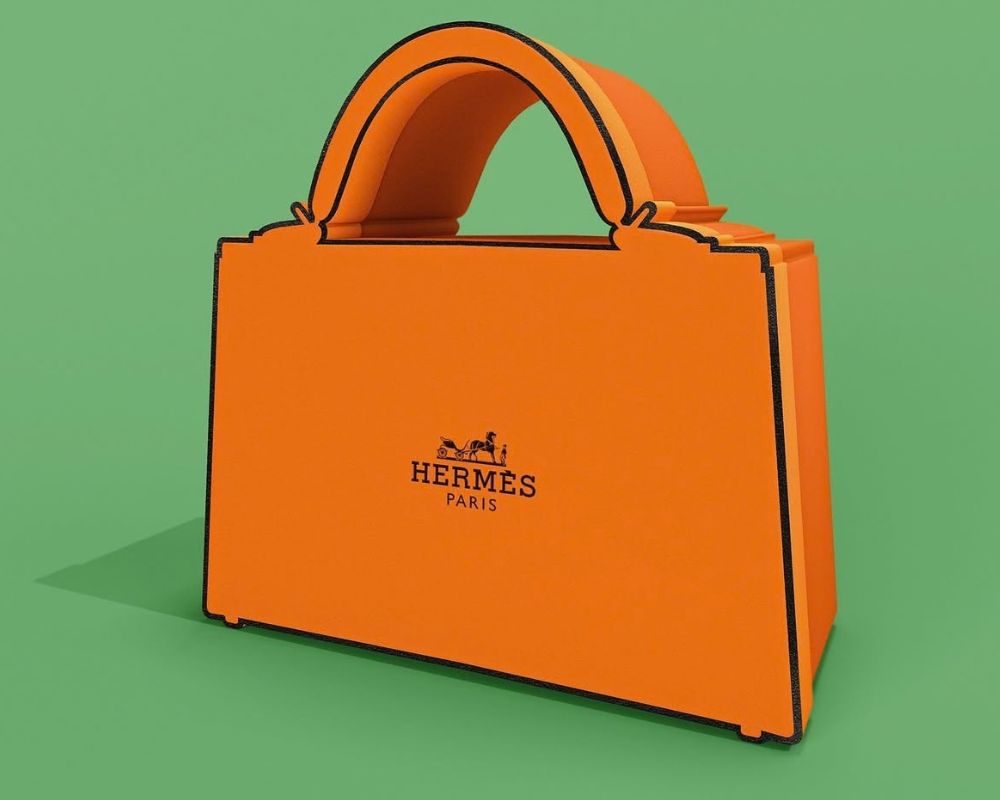
The landscape of luxury conglomerates isn’t static. Several other groups are challenging the traditional hierarchy of luxury conglomerates and are well worth watching. Capri Holdings owns Versace, Jimmy Choo, and Michael Kors, though it operates at a different tier of luxury than the European giants. Similarly, Tapestry, which owns Coach, Kate Spade, and Stuart Weitzman, occupies a comparable space in accessible luxury. Hermès is the fascinating outlier: a family-controlled luxury powerhouse that has repeatedly resisted acquisition, including a prolonged attempt by LVMH, and remains majority family-owned to this day. Hermès has consistently outperformed every luxury conglomerate in terms of margin and brand desirability. It proves that the conglomerate model isn’t the only viable path, though it remains an exceptionally rare exception. Prada Group has remained independent and publicly listed, owning Prada, Miu Miu, and Church’s. Its acquisition of Versace from Capri Holdings in 2024 signalled growing ambitions to expand its portfolio, potentially making it a more significant player among luxury conglomerates in the years ahead. Chanel remains one of the great privately held luxury empires, still owned by the Wertheimer family, famously secretive about its financials, and entirely ungoverned by the logic of shareholder returns. In an industry increasingly defined by conglomerate structures, Chanel’s stubborn independence is itself a luxury statement.The future of luxury conglomerates
The luxury conglomerate model has proven remarkably resilient over several decades, though it is not without genuine pressure points. The secondhand market is one of the most significant. As platforms like Vestiaire Collective and The RealReal continue to grow, the resale economy directly challenges the controlled scarcity that luxury conglomerates depend on. Rather than fighting this trend, LVMH has invested in this space strategically. The meaning of luxury is shifting. For younger consumers, particularly Gen Z, luxury is increasingly about experience, authenticity, and values alignment rather than simply a prestigious logo on a product. Luxury conglomerates that fail to evolve beyond logomania risk losing cultural relevance with the next generation of buyers entirely. Geopolitical risk is real. The Chinese luxury market, which has driven enormous growth for all the major luxury conglomerates, has shown significant volatility in recent years. Post-COVID spending patterns, domestic brand promotion, and changing attitudes toward conspicuous consumption in China are forcing major groups to diversify their geographic dependence as a matter of urgency. Succession is the question no one wants to answer. Bernard Arnault is in his mid-70s. The question of who runs LVMH in the post-Arnault era, and whether the empire can retain its strategic coherence without its visionary architect, is arguably the most consequential succession question in global business today.The final word: Why luxury conglomerates matter
Luxury conglomerates aren’t just a business story. They’re a cultural one. They determine which creative voices get platforms and which don’t. They decide which craft traditions survive and which quietly disappear. They shape what millions of people around the world consider desirable, aspirational, or beautiful. They also control significant cultural institutions, including the LVMH-backed Fondation Louis Vuitton and Pinault’s Palazzo Grassi in Venice. Understanding luxury conglomerates means understanding how modern luxury actually works, not as a romantic story of independent artisans, but as a sophisticated global industry where heritage, desire, and capital operate in precise, deliberate, and often breathtaking tension with one another. The bag you desperately want to own, the watch you pause to admire across a dinner table, and the perfume lingering on a stranger stepping off the Eurostar are never accidental. Every desire has been engineered, polished and carefully placed before you through some of the most sophisticated brand strategies in modern corporate history. And behind this seductive world of craftsmanship, aspiration and exclusivity sits a surprisingly small circle of luxury conglomerates quietly controlling the global luxury conversation. (Image credit: LVMH/Instagram)FAQ
What is the biggest luxury conglomerate in the world?
LVMH (Moët Hennessy Louis Vuitton) is the largest luxury conglomerate in the world by revenue, brand count, and cultural reach. Founded in 1987 and led by Bernard Arnault, it owns more than 75 brands across fashion, jewellery, beauty, watches, wines and spirits, retail, and hospitality, generating over €80 billion in annual revenue.
Why do luxury brands join conglomerates instead of staying independent?
Global expansion, supply chain costs, and digital infrastructure are simply too expensive for most heritage houses to fund alone. Joining a luxury conglomerate gives a brand access to capital, retail expertise, shared technology, and global distribution, while (ideally) preserving its creative identity and craft heritage intact.
FAQ 3 Q: Does being owned by a conglomerate make a luxury brand less authentic? Not necessarily. In many cases, conglomerate ownership has actually improved product quality by funding better materials, manufacturing investment, and craft training. The artisanal story is still real; what changes is who holds the financial control behind the scenes. Hermès is the rare exception that has maintained both independence and extraordinary desirability simultaneously.
These three map directly to the highest-volume search intent around this topic: definition queries, “why” curiosity queries, and the authenticity/consumer concern angle. They also slot cleanly into a JSON-LD FAQ schema block at the bottom of the article page, which helps with Google rich results. Want me to add them into the article file?
Does being owned by a conglomerate make a luxury brand less authentic?
Not necessarily. In many cases, conglomerate ownership has actually improved product quality by funding better materials, manufacturing investment, and craft training. The artisanal story is still real; what changes is who holds the financial control behind the scenes. Hermès is the rare exception that has maintained both independence and