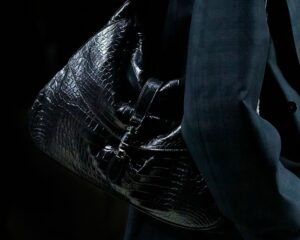

Geneva is one of those cities that reveals itself in layers. The first layer is the obvious one: the lake, the jet d’eau, the old town, the luxury boutiques on Rue du Rhône. The second layer is the one that most visitors miss: a network of workshops, ateliers and manufactures scattered across the city and the Jura valleys to its west, where some of the most technically remarkable and aesthetically extraordinary objects in the world are made almost entirely by hand.
These are the Geneva watch ateliers. They are, in the most literal sense, worth making a pilgrimage to see. The watchmakers who inhabit them are, in several cases, the finest practitioners of a craft that has been developing for five hundred years. And in 2026, several of them are opening their doors in ways and for reasons that make this the most compelling moment in years to make the journey.
This is a guide to the places where the watches in those boutiques come from, rather than to the boutiques themselves.
What a Geneva watch atelier visit actually involves
Before mapping the specific ateliers worth visiting, it is worth understanding what a manufacture visit in the Geneva watch world actually looks like, because it is unlike almost any other luxury experience available.
A visit to one of the Geneva watch ateliers typically begins with an appointment made weeks or months in advance, through the brand’s press or collector relations team. On arrival, you are welcomed by someone who knows the manufacture deeply, often a watchmaker, sometimes the founder themselves. You are shown the movement assembly workshop, where watchmakers work at individual benches with a stillness and concentration that the noise of the outside world seems completely unable to penetrate. You are shown the dial atelier, where surfaces are finished by hand to a standard that photographs consistently fail to capture. You are shown the case manufacture, where metals are shaped and finished with a precision that has no industrial equivalent.
What you take from the experience is a fundamental shift in how you understand the objects you have been looking at in books and on screens. A movement that looked impressive in a photograph reveals itself, in person, as something categorically different from what you imagined. The scale, the finish, the engineering confidence of it. The knowledge that the person who made it can be traced by name. This is what the Geneva watch ateliers offer that no boutique, no auction catalogue and no collector’s forum can replicate.
A journey through Geneva’s most extraordinary watch ateliers
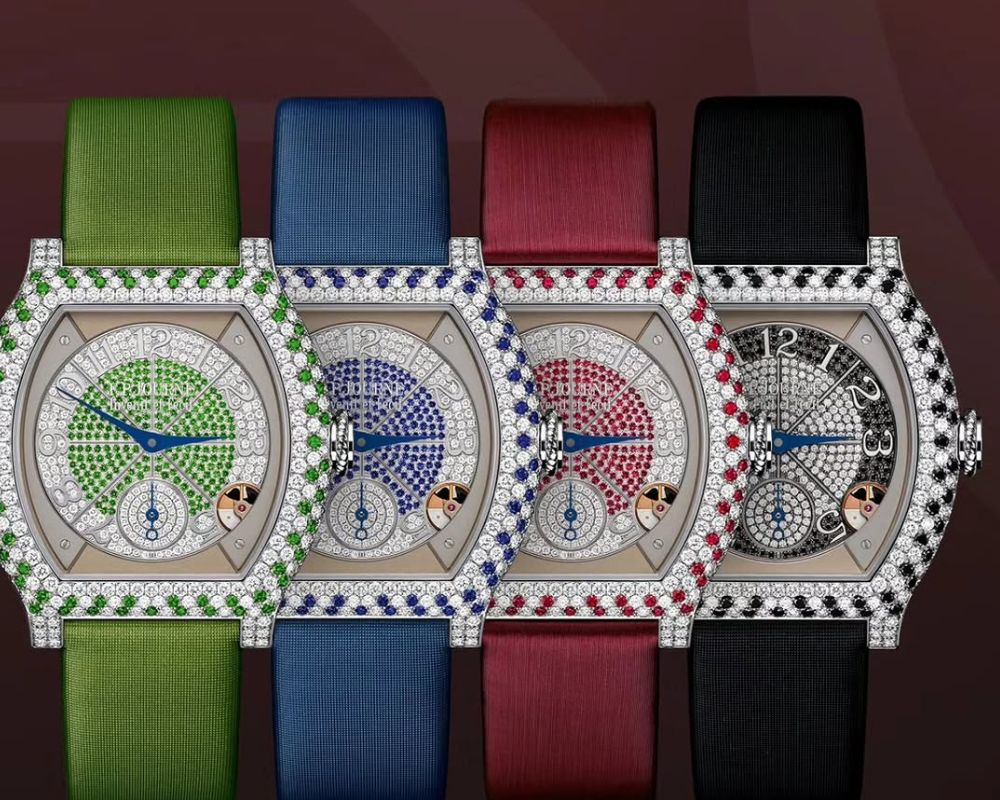
F.P. Journe: the manufacture opening a museum, by appointment only
The address is 40 Rue de la Synagogue in the centre of Geneva, a short walk from the old town. The building, which François-Paul Journe has expanded over the years as the manufacture has grown, now houses a reception area anchored by an 1855 astronomical clock made by French clockmaker Constantin-Louis Detouche for the first Paris Universal Exhibition, alongside a globe dating from 1720 that once belonged to the Dauphin of Louis XIV. These are the first things you see. They tell you immediately what kind of watchmaker you are dealing with.
F.P. Journe was founded in 1999 and produces around 800 watches per year across three dedicated facilities. The main facility in central Geneva handles movement assembly. A separate facility in the suburb of Meyrin, constructed from the ground up in 2023, handles dials and cases. Together they form one of the most completely vertically integrated independent manufactures in Swiss watchmaking, with François-Paul Journe designing every movement himself and prototyping each new calibre at his personal workbench, which sits alongside those of his watchmakers in the main facility.
The most compelling reason to visit the F.P. Journe Geneva watch ateliers in 2026 specifically is the new watchmaking museum taking shape nearby, accessible by appointment only. Alongside watches produced by the Maison from the 1980s to the present, the museum will display instruments and timepieces from the 16th to 18th centuries, selected for their ability to illuminate the technical principles that connect historical horology to Journe’s own work.
“It is to show my work from 1983 to the present, visually explaining its connections to history and demonstrating this through ancient pieces from the 16th, 17th and 18th centuries,” explains François-Paul Journe. An Antide Janvier double pendulum regulator from 1780 and a C.L. Detouche astronomical pendulum clock are among the confirmed pieces in the collection.
Access to the manufacture and the museum is by appointment through the brand’s press and collector relations team. Editorial partners who approach with genuine depth of interest and a clear reason for the visit are welcomed.
The Pillar Edit recommends: Pair a morning at the F.P. Journe Geneva watch ateliers with lunch at F.P. Journe Le Restaurant, the watchmaker’s own dining destination in Geneva that has become a meeting point for the global collector community.
Greubel Forsey: the most technically ambitious atelier in the Jura
La Chaux-de-Fonds is an hour and twenty minutes from Geneva by train. It is a UNESCO World Heritage city, designed on a grid plan following a fire in 1794, and it is the birthplace of Le Corbusier, Louis-Joseph Chevrolet and the Swiss watch industry in its modern form. It is also where Greubel Forsey has its manufacture, and the journey there is part of the experience.
Robert Greubel and Stephen Forsey founded their manufacture in 2004 with a specific and demanding ambition: to address the problem of isochronism in mechanical watchmaking through the development of the inclined tourbillon, a tourbillon set at a precisely calculated angle to compensate for the effects of gravity across all positions. Every watch Greubel Forsey makes is built around a genuine technical solution to a genuine horological problem. And every watch costs more to produce than it retails for, a fact the company has stated publicly and considers a matter of creative principle rather than a commercial oversight.
The Greubel Forsey Geneva watch ateliers visit, which extends to the La Chaux-de-Fonds manufacture, is extended selectively to collectors and editorial partners whose understanding of horology is sufficient to appreciate what they are seeing. The brand has been consistent about this: they welcome visitors who understand the work.
The Pillar Edit recommends: Spend a night in La Chaux-de-Fonds at the Hotel Athmos, a design hotel in a former factory that reflects the city’s industrial watchmaking heritage. Visit the Musée International d’Horlogerie the following morning before the manufacture tour.
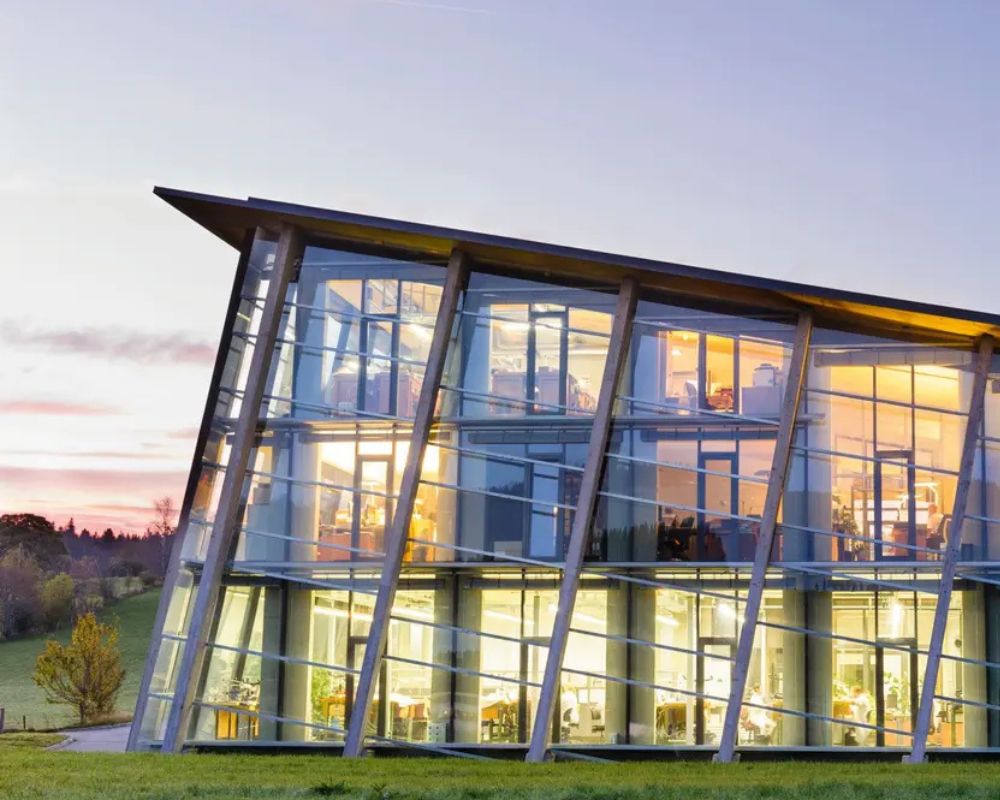
De Bethune: 200 watches a year, in a workshop in Le Locle
Le Locle is twenty minutes further into the Jura from La Chaux-de-Fonds by train, and together they form the watchmaking heart of the Swiss Jura. De Bethune’s manufacture is here, led by co-founder Denis Flageollet and CEO Pierre Jacques, and it produces approximately 200 watches per year with a consistency of creative ambition that has attracted one of the most devoted collector bases in independent watchmaking.
The DB28 Steel Wheels is the watch that most collectors encounter first: a suspended balance wheel that appears to float within the movement, titanium and blued-steel dials with a surface quality that rewards extended time in hand in ways that photographs are unable to convey, and a movement architecture that is immediately recognisable as De Bethune and as nothing else. The manufacture in Le Locle is small, focused and accessible to editorial visitors who approach with the right depth of interest.
Visiting the De Bethune Geneva watch ateliers region means understanding what 200 watches a year looks like as a creative and operational commitment. It means sitting in a workshop where everyone present knows the name of every collector who owns a piece they helped build. It is, in this specific sense, the opposite of scale.
The Pillar Edit recommends: The journey from Geneva to Le Locle by train passes through some of the most beautiful Jura landscape in Switzerland. Allow a full day for the round trip and pair the manufacture visit with lunch at the Hôtel des Arts in La Chaux-de-Fonds.
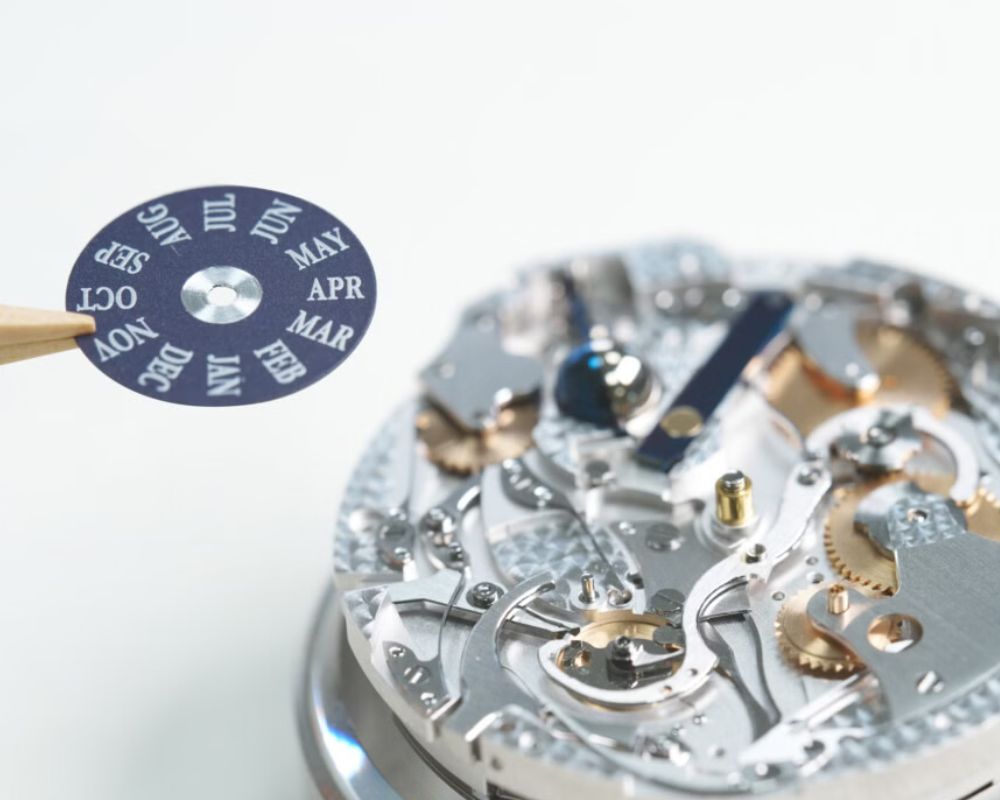
H. Moser and Cie: the most provocative manufacture in Schaffhausen
Schaffhausen requires a different journey from Geneva: north rather than west, following the Rhine toward the German border. It is two hours by train, and it is where IWC, also part of the Richemont group, operates its large manufacture alongside H. Moser and Cie, which is a considerably smaller and considerably more deliberately provocative operation.
H. Moser and Cie is majority owned by the Meylan family and produces approximately 2,000 watches per year. The Swiss Alp Watch was a watch with no hands and a fumé dial, designed as a response to the Apple Watch. The Endeavour Perpetual Calendar Funky Blue became one of the most coveted references in independent watchmaking on the strength of a fumé dial in a blue so distinctive that every conventional blue dial looked lesser by comparison. In 2022, the brand released a watch with no brand name on the dial at all.
The Schaffhausen manufacture, set in a converted space by the Rhine, is available to visit for serious collectors and editorial partners. For the Geneva watch ateliers pilgrim willing to extend their journey north, Schaffhausen offers something different from the Jura: a larger city, a less-travelled watch destination and a brand with a personality so specific and so confident that spending time with the team there is an editorial experience in itself.
The Pillar Edit recommends: Pair this Geneva watch ateliers journey with a stop at the Rhine Falls, just 20 minutes from Schaffhausen, where Europe’s largest waterfall offers one of Switzerland’s most genuinely dramatic natural spectacles.
Parmigiani Fleurier: the watchmaker’s watchmaker in the Val-de-Travers
The Val-de-Travers is a valley in the Jura that produces two things: absinthe, which was invented here, and Parmigiani Fleurier watches, which have been made here since 1996. The valley is accessible by train from Neuchâtel, itself an hour from Geneva, and it is one of the most genuinely beautiful and undervisited parts of the Swiss watchmaking landscape.
Parmigiani Fleurier was founded by master watchmaker and restorer Michel Parmigiani with the support of the Sandoz Family Foundation. The manufacture in Fleurier achieves a standard of vertical integration that exceeds most of its more famous competitors, producing mainsprings through its subsidiary Elwin, cases through Atokalpa, and movements, dials and decorative elements in-house. The result is a watch that rewards deep familiarity in the same way the manufacture itself rewards a visit: gradually, with increasing revelation.
The Fleurier manufacture is the least immediately famous of the Geneva watch ateliers itinerary and the most likely to produce genuine surprise. The quality of what is being made here, when seen in the context of how it is made, shifts the collector’s understanding of what a Parmigiani Fleurier watch actually represents in a way that no review or photograph has managed.
The Pillar Edit recommends: Combine a Parmigiani Fleurier manufacture visit with a distillery tour at La Maison de l’Absinthe in Môtiers, twenty minutes away. The combination of the world’s most meticulous watchmaker and the birthplace of the world’s most misunderstood spirit is one of the more surprising and rewarding half-days available anywhere in Switzerland.
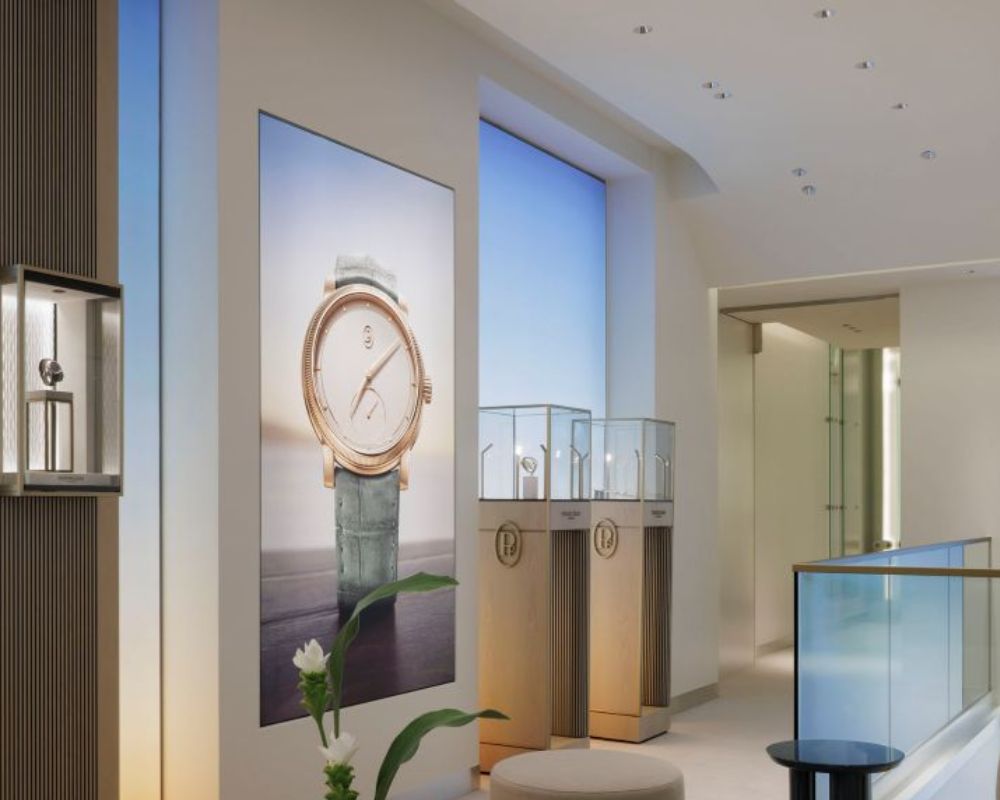
Planning your Geneva watch ateliers pilgrimage
The Geneva watch ateliers pilgrimage is most naturally structured across three days, and the Swiss train network makes every leg of the journey effortless and genuinely beautiful.
Day one begins in Geneva itself. F.P. Journe in the morning, allowing two to three hours for the manufacture and the new museum. The afternoon belongs to the city: the old town, the Patek Philippe Museum on Rue des Vieux-Grenadiers, the lake, and the Rue du Rhône if you are inclined toward the boutiques. Geneva rewards an evening on foot.
Day two takes you west by train into the Jura Mountains, with an hour-and-twenty-minute journey to La Chaux-de-Fonds for a morning at Greubel Forsey, followed by a 20-minute onward trip to Le Locle for an afternoon at De Bethune. Stay overnight in La Chaux-de-Fonds at Hotel Athmos, a design hotel housed in a converted factory and a fitting choice after a day spent exploring manufactures where materials, craftsmanship and precision are taken seriously.
Day three offers a genuine choice. The Val-de-Travers for Parmigiani Fleurier is forty minutes from La Chaux-de-Fonds by train, through some of the most beautiful Jura landscape in Switzerland. Schaffhausen for H. Moser and Cie requires returning to Geneva first and heading north, a journey of around two hours. Both are worth the full day. Most Geneva watch ateliers visitors find they want to return for the one they saved for a future trip.
Every appointment at a Geneva watch ateliers should be made weeks in advance, directly through the brand’s press or collector relations team. The request should be specific and personal: which watches you know, which collections interest you, what you are hoping to understand from the visit. The Geneva watch ateliers community is generous with time and access to visitors who arrive with genuine curiosity and a clear sense of what they are looking for. The conversation that starts at a watchmaker’s bench in Geneva has a way of continuing for the rest of a collecting life.
These are some of the finest craftspeople in the world, working in accessible workshops, making objects of extraordinary beauty and technical ambition, and genuinely willing to show a curious visitor what they are doing and why.
The door is open. The journey is worth making.
Read next on The Pillar Edit: Aman refused cities for thirty years. Then Dubai happened. , because the most interesting conversations in luxury always happen in the places you have to travel specifically to reach.
(Feature image credit: fpjourneofficial/Instagram)