




In 1984, Jean-Louis Dumas found himself sitting next to Jane Birkin on a flight from Paris to London. Her straw bag had spilled open. She was trying, without much success, to gather everything back inside it.
He pulled out an Air France sick bag and sketched a new design on the back of it.
That sketch became the Birkin. Forty-two years later, it is the most mythologised luxury object on earth, the centre of a purchase process that almost nobody fully understands and almost everybody has an opinion about.
People call it the Hermès waitlist. They picture a queue. Orderly, patient, slow-moving. Their name somewhere in the middle of it, inching toward the front. They believe that money and patience are the two requirements, and that eventually, if they wait long enough and spend enough, the call will come.
The call does come. But the queue is something quite different from what they imagine.
The Hermès waitlist is a myth and what replaced it is far more interesting
There is no Hermès waitlist. There is no form, no database, no position, no queue.
Hermès operated a formal waiting list in the 1990s when the Birkin became a global status symbol and demand outstripped supply so dramatically that something had to give. It was quietly discontinued. One author who investigated it called it a fraud in its final years, a system that moved so slowly and unpredictably that it functioned less as genuine allocation and more as theatre, a way of making clients feel they were part of something exclusive while Hermès managed production entirely on its own terms.
What replaced it is simultaneously simpler and more sophisticated, more personal and more opaque, and more commercially brilliant and considerably harder to navigate.
It is called the quota bag allocation system and it is the most carefully constructed customer relationship architecture in luxury retail.
How the quota bag system actually works in 2026
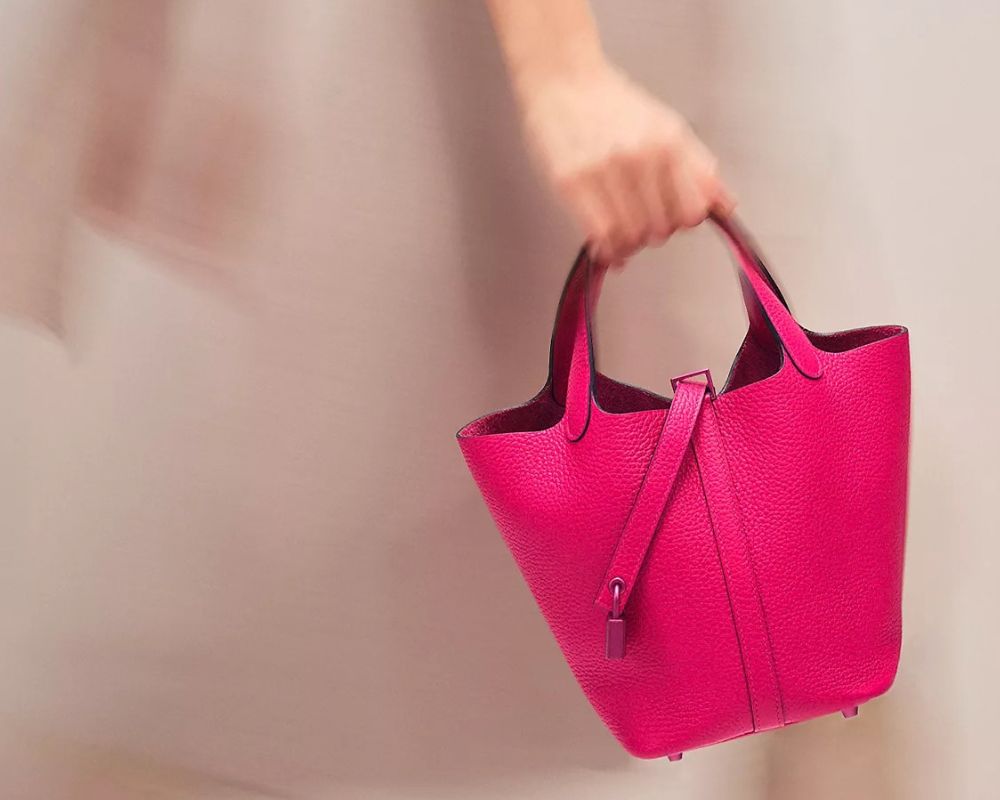
The Hermès waitlist, in its modern form, operates around what Hermès internally classifies as quota bags. They are pre-matched to specific clients before they ever reach the sales floor of any boutique anywhere in the world. A client who walks into a Hermès boutique with a credit card and asks to buy a Birkin will be told, politely, that none are available. This is almost always true. The bags that exist in any given boutique on any given day have already been allocated to specific people, matched by a sales associate who knows their client’s taste, their purchase history with the house and the specific combination of leather, colour, hardware and size that they are looking for.
The Hermès waitlist system is administered boutique by boutique, client by client, and Hermès keeps it deliberately unexplained publicly, with sales associates trained to leave it undiscussed. The opacity is deliberate, commercially designed to preserve the sense of mystery and privilege that makes being offered a quota bag feel like a genuinely singular event rather than the outcome of a process anyone can replicate.
In European boutiques, the system works through what are called wish lists or preference cards. A client who has established a relationship with the house can specify their preference: one bag style, one leather type, one hardware choice and up to three colours. The sales associate notes this and contacts the client when something matching that specification arrives. The wait can be months, years or indefinite.
In North American boutiques, the system leans more heavily on relationship than on any formal preference recording. A single sales associate, at a single boutique, who knows a client over time, is the primary determinant of whether that client is ever offered a quota bag. Scattering purchases across multiple boutiques or multiple associates actively reduces the likelihood of an offer. Consistency with one person, at one location, over a sustained period is what builds the profile that leads to the call.
What building a Hermès client profile actually costs and how long it takes
This is the part that most coverage of the Hermès waitlist either glosses over or misunderstands entirely, and it is the most commercially significant element of the whole system.
Being offered a Birkin or Kelly requires having a meaningful purchase history with Hermès. Scarves, jewellery, homeware, small leather goods, ready-to-wear. The spend required varies considerably by boutique, by market and by the specific bag being sought, but the principle is consistent: a client who arrives with no purchase history and requests a quota bag will almost always leave without one. The house is offering its most coveted products to the clients who have demonstrated their commitment to it across multiple categories, over time, with genuine and varied engagement with what Hermès makes beyond the single most famous thing it produces.
In Dubai boutiques, reports suggest clients routinely spend more than $10,000 on accessories before being offered their first quota bag. In some Asian markets, the ancillary spend required before a Birkin offer arrives runs considerably higher. In European boutiques with long-established client relationships, the dynamic is more nuanced, shaped by years of history rather than a specific spend threshold.
Two quota bags a year. That is all anyone gets.
The most loyal client in the most storied boutique in Paris, the one who has spent years and small fortunes on scarves and porcelain and jewellery and ready-to-wear, who knows every sales associate by name and whose preference card has been on file for longer than most luxury brands have existed, gets two quota bags a year. The billionaire gets two. The celebrity gets two. The collector who has flown to Paris specifically for this purpose gets two.
It is, frankly, brilliant because the ceiling is the whole point. It ensures that desire is never fully satisfied, that the scarcity is permanent rather than seasonal and that even the most privileged client in the Hermès universe retains the exquisite, slightly maddening experience of wanting something they simply cannot have on demand. Hermès has understood something that most luxury brands spend their entire commercial existence trying to learn: the moment a client can have everything, the wanting stops. And once the wanting stops, so does everything that made the brand worth wanting in the first place!
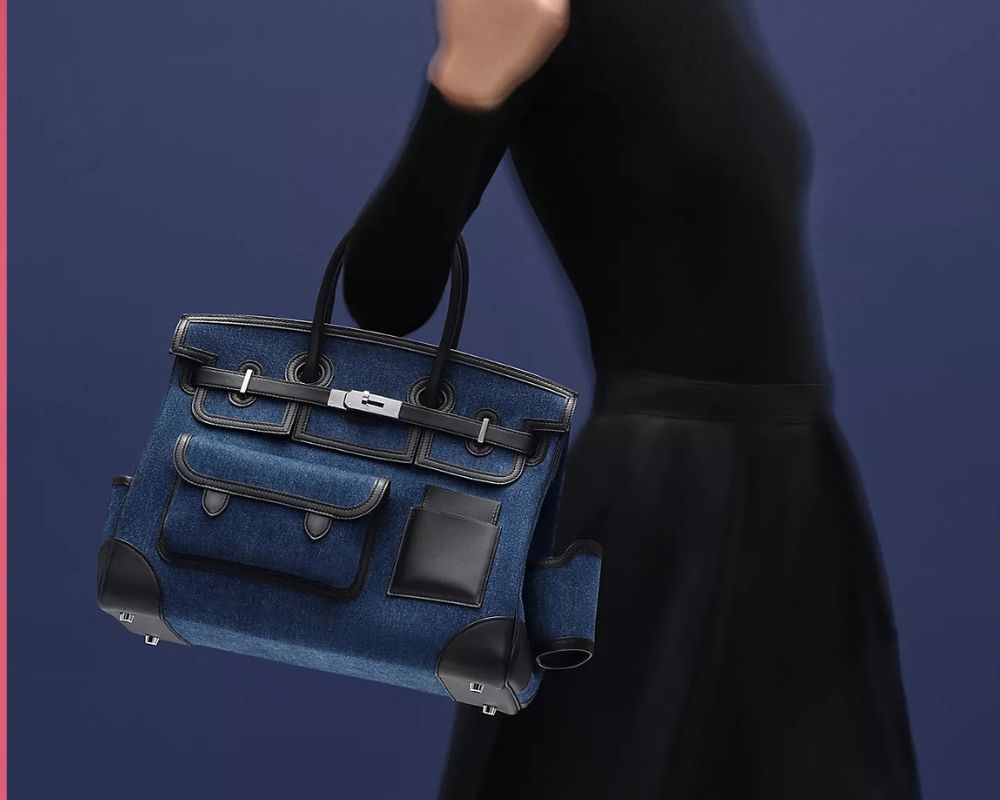
Hermès Waitlist: Why 2026 is the hardest year yet to be offered a Birkin
The system has always been competitive. In 2026, it is more competitive than at any previous point in the brand’s history.
Demand has broadened dramatically while production has stayed essentially flat. Industry estimates put annual Birkin production at approximately 12,000 to 15,000 units globally, a figure Hermès leaves unconfirmed. The number of people who have built the purchase history, the boutique relationship and the preference profile required to be eligible for a quota bag offer has grown considerably faster than that production figure. More qualified profiles are now competing for the same bags than at any previous point.
A client starting the process today in a major boutique is looking at a realistic two to three years before a first offer arrives.
The secondary market tells the clearest story. Birkin and Kelly bags resell consistently above 100 percent of their original retail price. Pristine pieces sell for upwards of 200 percent. That premium is the most precise available measurement of how successfully Hermès has managed scarcity for forty years. The gap between retail and resale is the gap between what the world wants and what Hermès is willing to produce.
The commercial brilliance of a system that Hermès keeps deliberately unexplained
Hermès has built the most powerful customer relationship management system in retail without a single piece of technology visible to the client.
There is no CRM software, no loyalty programme, no app, no progress bar or portal showing a client how far they are from the front of the queue. Instead, there is a sales associate, a boutique, a preference card and, most importantly, the slow, patient accumulation of a relationship built through genuine engagement with everything the house creates beyond the one thing everyone wants.
The commercial outcome this produces is one that no marketing campaign in luxury has replicated at equivalent cost. A client who has spent two years working through the Hermès waitlist process, buying scarves and jewellery and homeware, visiting the same boutique, talking to the same sales associate, waiting for the call that eventually comes, arrives at the moment of purchase with an emotional investment in the house that turns a transaction into something closer to a relationship.
The FTC’s 2024 antitrust lawsuit has put Hermès’ waitlist architecture under scrutiny in the US, alleging that Birkin sales are tied to other purchases. The commercial model, however, remains intact.
It works because the bags are exceptional, handmade by skilled artisans and produced in genuinely limited quantities. Add deep client relationships and deliberate opacity, and you have a system that is remarkably difficult to replicate.
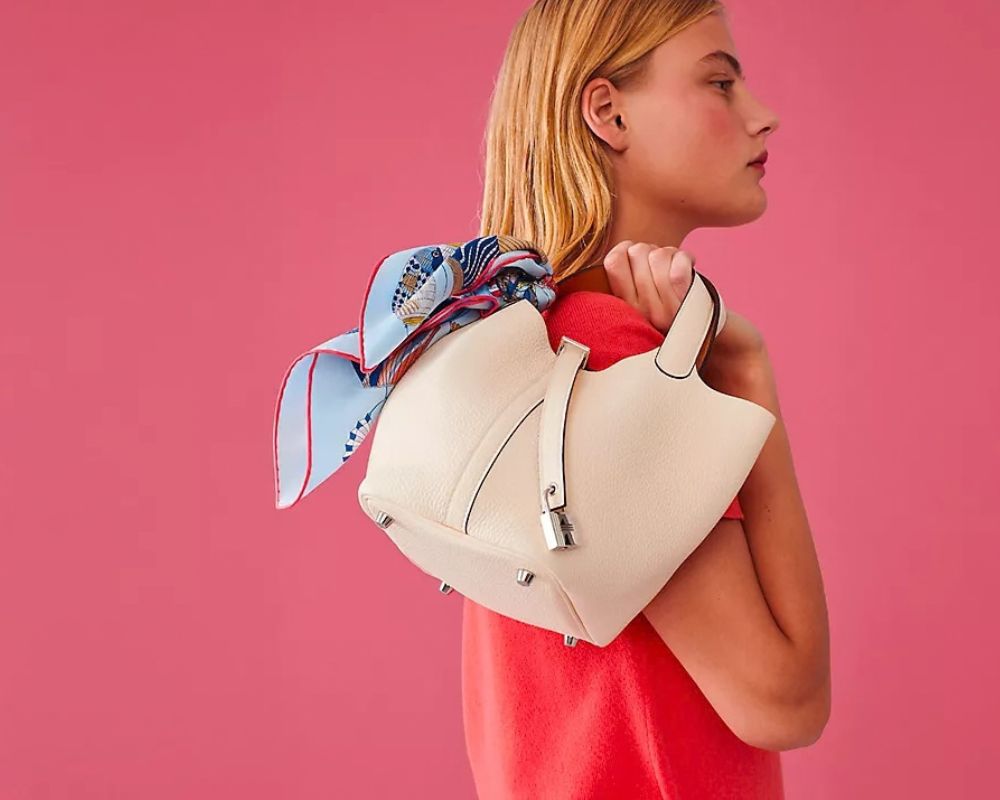
Forty years of commercial discipline. One founding principle.
In luxury, the most desirable thing is often the thing that cannot simply be bought.
Read next : Report: nearly half of all luxury buyers now check resale value before they buy new.
(Image credit: hermes.com)