



Think about the last time you noticed a red sole flash beneath a heel as someone crossed a hotel lobby. Or the way a Birkin’s silhouette does not need a label to announce itself. Or the quiet authority of those interlocking Chanel Cs, reproduced on everything from millinery to espadrilles and still, somehow, entirely itself. These things feel effortless and inevitable. But they are not accidents of design or luck of timing. They are the result of decades of deliberate, painstaking legal work carried out by some of the most specialised practitioners in the global economy.
The luxury brand IP protection law firms that do this work are, in the most literal sense, the reason that these icons remain icons and do not simply dissolve into the noise of a world that is trying, constantly, to copy them.
The numbers alone tell you something about the scale of what is at stake. According to estimates from the OECD and EUIPO, global trade in counterfeit and pirated goods has reached approximately $467 billion, representing around 2.3 percent of total world trade. Clothing, footwear and leather goods, the very categories that luxury has claimed as its own, account for 62 percent of seized counterfeit items globally. And the terrain that these firms are navigating in 2026 looks meaningfully different from what it did a decade ago.
It has expanded from warehouses and shipping containers into Instagram feeds and NFT marketplaces and the vast, complicated ecosystem of the pre-owned market. The firms that have built the fluency to work across all of that, simultaneously and with real precision, are the ones that the greatest maisons in the world trust with their most precious assets.
The high-stakes business of protecting a luxury name
There is a version of this story that most people imagine when they think about luxury and the law. It involves counterfeit handbags in a market stall somewhere, a customs seizure, a press release from a brand’s communications team. That version is real, and the work behind it is genuinely important. But it represents only one small corner of what luxury brand IP protection law firms are asked to do today, and the corner has been expanding in directions that nobody fully anticipated even five years ago.
The first of those directions is digital. Social commerce through Instagram, TikTok and Facebook has created a distribution channel for counterfeit goods that is borderless, fast and extraordinarily difficult to police at scale. Luxury brand IP protection law firms have built expertise in platform enforcement, domain name disputes and social media monitoring to meet this challenge, running multiple workstreams in parallel across channels that simply did not exist in their current form when most of these firms first built their luxury practices. It is sophisticated, demanding work, and the firms that do it well have made very significant investments in understanding how digital enforcement actually functions in practice rather than in theory.
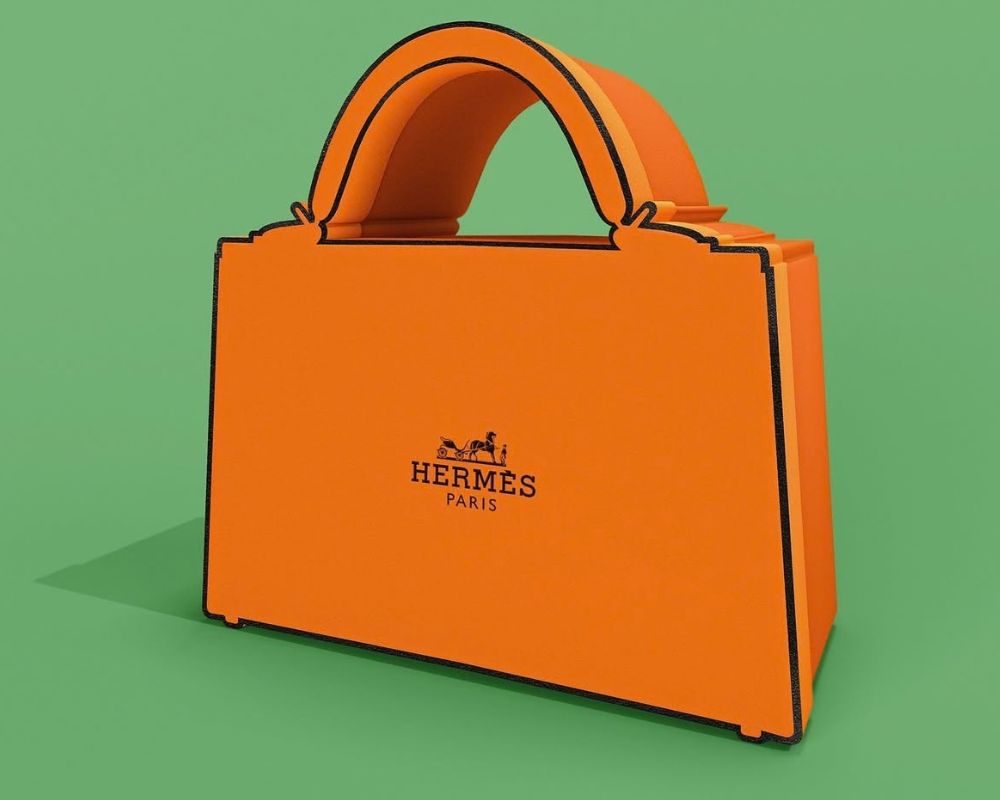
The second direction arrived from somewhere even more unexpected. In January 2022, Hermès filed a trademark infringement lawsuit against digital artist Mason Rothschild, who had created and sold 100 so-called MetaBirkin NFTs depicting faux fur-covered versions of the iconic Birkin bag. In February 2023, a federal jury in New York found Rothschild liable for trademark infringement, dilution and cybersquatting, awarding Hermès $133,000 in damages.
The verdict mattered far beyond its financial terms, because it confirmed for the first time in a courtroom that a luxury brand’s physical trademark protection extends meaningfully into digital and NFT spaces. It was a landmark moment for luxury brand IP protection law firms everywhere, and every major fashion house took careful note of what the precedent means for their own position.
The third shift is the one perhaps closest to where luxury consumers live today. Platforms like Vestiaire Collective, The RealReal and Chrono24 have transformed the pre-owned market from a niche into a mainstream commercial force. According to Bain’s June 2026 luxury report, half of luxury shoppers now consult the pre-owned market before making a new purchase. As that market grows, they are increasingly helping brands think through authentication standards, grey market enforcement, and the subtle but significant legal boundaries of authorised resale, all while ensuring that the brand’s integrity and commercial strategy move in the same direction rather than pulling against each other.
What emerges from all of this is a portrait of a profession in genuine transformation. The firms that have met that transformation with imagination, investment and real legal depth are doing some of the most consequential work in the business of fashion today.
The case that shows what this work involves: Louboutin and the red sole
Before meeting the specific firms shaping this landscape, it is worth pausing for a moment on a single story. Because no case in recent memory captures the patience, the global complexity and the sheer emotional stakes of luxury IP work quite like the story of Christian Louboutin and its red sole.
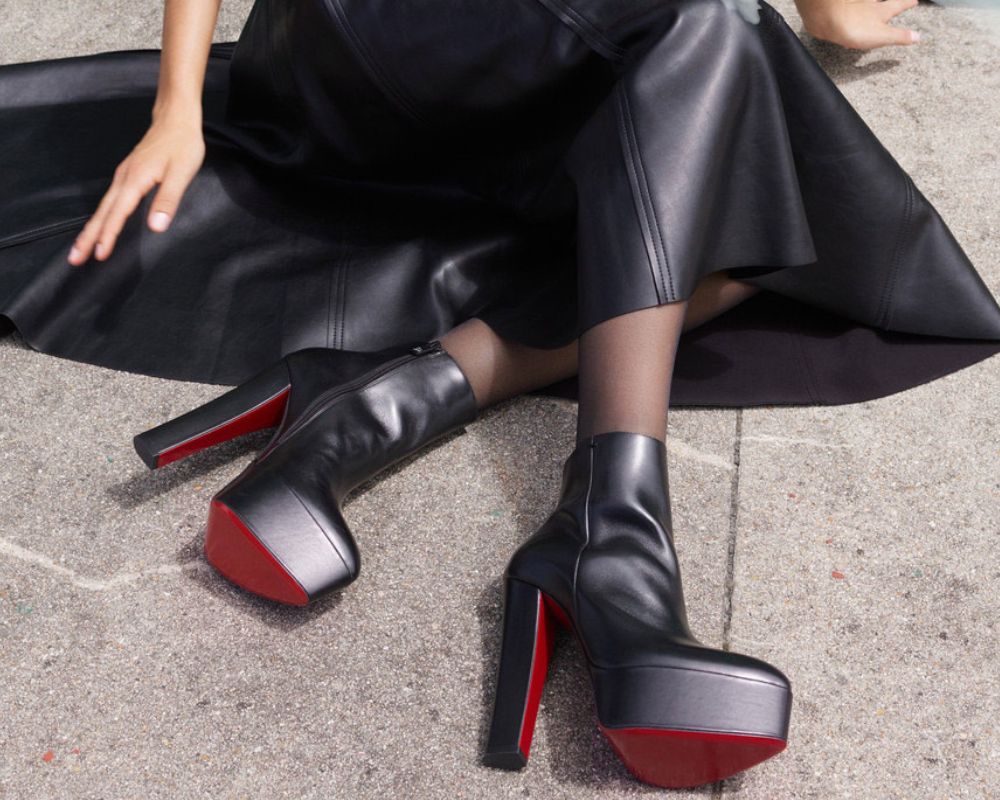
Louboutin started painting the soles of its shoes red in 1992. A practical decision at first, famously made with a bottle of nail polish borrowed from an assistant. And then, gradually, something else entirely. Over the years that followed, that red sole became one of the most instantly recognisable brand signatures in the world. A flash of colour at the bottom of a heel that could, at fifty paces, tell you everything you needed to know. In 2008, the brand secured a US federal trademark registration for the red sole.
Then in 2011, when Yves Saint Laurent launched a line of entirely red shoes with a matching red sole, Louboutin went to court to defend it. The US District Court initially took the view that the claim would be difficult to sustain on its existing terms, but Louboutin pursued the matter through the appeals process, and the Second Circuit Court of Appeals ruled in 2012 that the red sole was indeed protectable as a trademark, specifically when it contrasted with the colour of the upper portion of the shoe. It was a hard-won outcome and a genuinely important one.
But that was only the US chapter of a story still being written across multiple continents.
In Europe, Louboutin engaged with the EUIPO, the Court of Justice of the European Union, and national courts in the Netherlands, France and Belgium, with each proceeding running on its own timeline and its own legal logic. In Switzerland, the question worked its way through the courts over several years before reaching a different conclusion in 2017. In Japan, a Tokyo District Court examined the question through the lens of that jurisdiction’s own standards.
Who protects the world’s most valuable luxury trademarks?
Baker McKenzie: a global practice built around luxury brand IP protection
A luxury brand IP protection counsel can move simultaneously across dozens of jurisdictions. Baker McKenzie is among the first names in the room. With 71 offices in 45 countries and 4,595 attorneys, Baker McKenzie has both the geographic scale and the sector depth to handle the kind of multi-market work that the leading luxury conglomerates require.
Its luxury, fashion and cosmetics practice is among the most active and most respected in the world, and the names it works with reflect that standing. Baker McKenzie’s clients include LVMH, Mytheresa and Capri Holdings, and its remit covers the full breadth of what a major brand needs from its IP counsel, from trademark registration and portfolio management across multiple jurisdictions, to enforcement, grey market protection, anti-counterfeiting litigation, data privacy, and the increasingly important questions around digital assets and NFT-related trademark rights.
One of the things that makes Baker McKenzie especially well suited to the luxury sector is what might be called operational reach. When a counterfeiting operation is manufacturing in one country, distributing through platforms registered in a second, and selling to consumers in a third, the most effective response coordinates legal action across all three simultaneously. Baker McKenzie is built precisely for that kind of work, and the brands it serves benefit from a coordination capability that few other firms can match at the same scale.
In 2026, the firm has also been actively developing strategies around one of the more nuanced challenges now facing the industry: luxury dupes and lookalikes. These are products that have been carefully designed to evoke the visual associations of a luxury brand without technically reproducing a registered trademark.
Gide Loyrette Nouel: the French institution at the heart of luxury IP
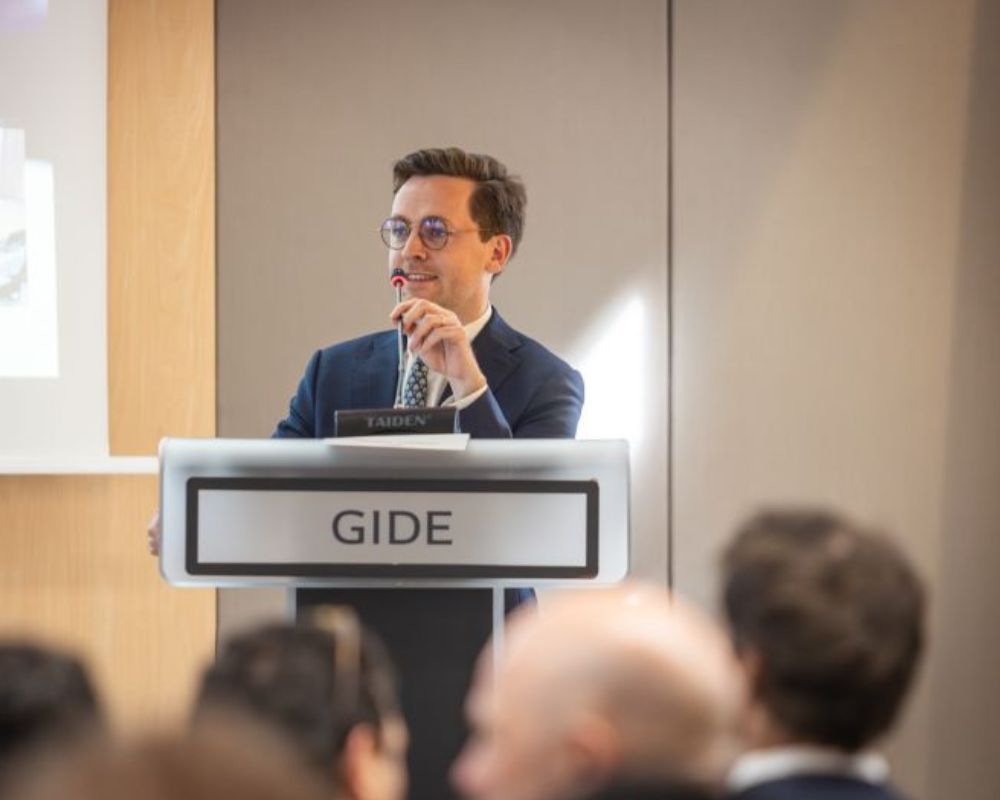
For the luxury houses rooted in the French tradition, and that means most of the most significant names that have ever existed in this industry, Gide Loyrette Nouel occupies a position of deep and lasting importance. Founded in 1920 and bringing together over 500 lawyers and paralegals across 35 nationalities in 2026, Gide is the first and leading international business law firm of French origin. Its IP practice has earned a reputation, described by peers in the World Trademark Review, as being extremely visible on the French IP scene and extremely active in the luxury industry.
What Gide brings to the brief that cannot be acquired simply by hiring talented lawyers is institutional proximity to the world it serves. French IP litigation, and specifically the way French courts approach questions of luxury trade dress, brand heritage and the relationship between a product and its cultural meaning, has a particular internal logic that develops only through years of genuine immersion. The firm’s leading practitioners handle trademark and patent matters alongside copyright and unfair competition disputes for brand owners in the luxury, fashion and consumer goods sectors with a fluency that reflects not just legal skill but a deep familiarity with the specific environment in which that skill is applied.
For the great houses within the LVMH and Kering ecosystems, Gide has become a trusted long-term partner for the most complex and highest-stakes European IP work. That relationship is built on something that goes beyond any single instruction or case. It is the product of a century of presence in French business law and a genuine understanding of why the brands these lawyers serve matter, not just commercially but culturally. That understanding, rare and hard-won, is what makes Gide one of the most important luxury brand IP protection law firms in the world.
Hogan Lovells: a luxury brand IP protection practice that travels as far as the brands it serves
Hogan Lovells has built a fashion and luxury brand IP protection practice that is particularly admired for its strength in cross-border enforcement and market expansion. As the geography of luxury consumption continues to evolve, with the Middle East, Asia-Pacific and emerging markets becoming increasingly important destinations for the industry’s growth, the ability to establish and defend IP positions across markets with different legal frameworks and different enforcement cultures has become one of the most valuable things a firm in this space can offer.
The firm’s fashion and luxury practice covers trademark and design right litigation, customs enforcement, domain name disputes, anti-counterfeiting programmes and market entry counsel for brands moving into new territories. For brands investing in the Gulf region, where Deloitte’s 2026 survey of 420 luxury executives identified the Middle East as one of the top four growth engines for the global luxury market over the coming years, the ability to properly structure and actively protect an IP position in markets like the UAE, Saudi Arabia and Qatar carries real commercial significance.
What distinguishes the Hogan Lovells luxury practice is the combination of genuine geographic reach and real sector commitment. This is a team that has invested in understanding the luxury industry deeply, and that depth of understanding makes itself felt in the quality of the work it produces for the brands and houses it advises.

Loeb and Loeb: the specialist depth that only comes from total commitment to the sector
There is a particular kind of wisdom that develops when an organisation decides to go very deep in one world rather than spreading itself across many. In the context of luxury brand IP protection in the United States, Loeb and Loeb represents that kind of accumulated depth in its most compelling form.
Recognised in The Fashion Law’s top US luxury brand IP protection law firms for retail companies list for 2026, and with four partners named among the Global Leaders list by World Trademark Review for 2026, Loeb and Loeb works with luxury design houses, high-end department stores, couture designers, clothing brands, jewellers and fragrance companies across a practice that spans trademark and copyright work, anti-counterfeiting counsel, licensing, distribution and customs compliance. The firm has spent decades developing a genuine understanding of how luxury brands are built, how their IP assets accumulate meaning and value over time, and what kinds of legal strategies best protect and advance the long-term interests of those brands in the US market and beyond.
What makes Loeb and Loeb’s counsel particularly meaningful to the clients it serves is the continuity of relationship and the institutional knowledge that only time and genuine commitment can produce. In luxury IP, the history of how a trademark was built, how it was used across the years, and how it has been protected and defended is directly relevant to how it can be protected and enforced going forward.
How AI and resale are reshaping luxury IP law
The leading luxury brand IP protection law firms are, right now, actively and thoughtfully expanding their practices to address two forces that are bringing genuinely new questions into the work.
The first is AI-generated imagery. When AI tools can produce photorealistic images of what appear to be Chanel handbags, Hermès Birkins or Louboutin heels, and those images can be used in social promotion or advertising for lookalike or counterfeit products, the question of what constitutes trademark infringement in a purely visual and purely digital context becomes one of the most fascinating and consequential legal questions of our moment.
The existing body of case law does not yet fully address this territory. These firms are at the frontier of developing the arguments, strategies and frameworks that will shape how courts and regulators approach these questions, and the brands they represent have the benefit of counsel that is thinking ahead rather than catching up.
The second frontier is the secondary market. As Vestiaire Collective, The RealReal, Chrono24 and their peers become a mainstream part of how luxury goods move through the world, the questions around authentication, grey market management and the boundaries of authorised resale require increasingly sophisticated and creative legal thinking. Richemont’s decision to acquire Watchfinder and operate it thoughtfully at arm’s length from its maisons is one model for navigating this new landscape with care and intelligence.
Rolex’s certified pre-owned programme, launched in 2022 with the intention of bringing greater brand stewardship to the secondary market, is another. Both of those approaches required careful, imaginative IP counsel to design and structure properly. And both reflect a broader and deeply encouraging shift in how the most thoughtful luxury brands are coming to understand their relationship with the pre-owned world.
The brands that have learned to see their IP protection as a living, proactive investment in their own future are the ones that tend to emerge from this landscape with their authority intact and their equity deepened. And the firms helping them build, defend and evolve that investment are, quietly and consistently, among the most valued and most admired partners in the business of luxury today.
Read next on The Pillar Edit: After exploring this guide to the legal strategies behind the world’s most valuable trademarks, meet the luxury real estate auction firms selling the world’s finest homes in 30 days.
(Feature image credit for luxury brand IP protection: christianlouboutin.com)