

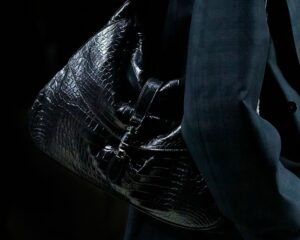

Picture the boardroom at a great luxury house. The samples are on the table. The crocodile is perfect, its scales catching the light exactly as they have for a century of the most discerning buyers in the world. And then somebody mentions a number. Ninety-five percent.
That is the proportion of UHNW consumers surveyed in London, Paris and New York who say fur and wild animal skins make fashion brands less luxurious. It is the most significant luxury fur ban data point of 2026.
The finding comes from a new report published in July 2026 by Collective Fashion Justice, the Australia-based advocacy organisation founded and led by Emma Håkansson. Sixty-one ultra-high net worth and high net worth luxury consumers across London, Paris and New York were interviewed directly, making this the most commercially specific luxury fur ban research available in 2026.
The report title does the work in four words: Wildlife Exploitation Undermines Luxury. This is a finding about brand equity, competitive positioning and what is genuinely at stake for the houses that have built their identity around these materials. The luxury fur ban it at the centre of every brand strategy meeting that matters.
The 95 percent. Here is what that actually means.
Every luxury communications director has already composed the sceptical response in their head. Sixty-one consumers across three cities is a small sample. Collective Fashion Justice is an advocacy organisation with a clear position. Both of those caveats are legitimate and worth holding. And yet the specific demographic of the sample is precisely the point.
These are the consumers who sustain the very product categories under examination. They are notoriously difficult to access for research precisely because their time and their privacy are as carefully managed as their assets. When 95 percent of this group say that wild animal materials damage brand perception, that is a luxury fur ban signal that belongs in every strategic planning conversation in the industry.
Emma Håkansson, founder of Collective Fashion Justice, put it plainly. Valuable luxury consumers view the use of wild animal materials in a way that is damaging to overall brand perception. The phrase damaging to overall brand perception is doing significant work. This is a finding about brand equity and about what decades of careful positioning are worth.
The data behind the headline is, if anything, even more interesting. A London-based man, aged 58, with a household income of more than $500,000 and liquid assets worth more than $30 million, told researchers: “Nowadays wearing animal skin or fur gives the wrong impression to people around me. I would be interested in next-gen materials if they bring a sense of modern innovation and uniqueness that sets them apart from traditional options.”
That man is a client and he is telling the industry that the conversation has moved on.
But wait. The data gets more interesting.
The 95 percent finding alone would be enough. But this report goes further. The numbers alongside the headline actually expand the commercial opportunity for the most sophisticated brands.
Eighty percent of respondents said they would be more likely to purchase wildlife-derived products if they believed they benefited conservation, while 85 percent said they would only consider buying them if animal welfare standards could be assured. Almost half, 48 percent, admitted they were unaware of the welfare issues associated with the wildlife skin trade.
The 80 percent conservation finding tells us that the UHNW consumer has a relationship with wild nature that goes beyond rejection, one that includes the possibility of investment and stewardship if the commercial framework is right.
The 85 percent welfare assurance finding tells us that the rejection is conditional rather than absolute, rooted in the absence of verified standards rather than in the materials themselves.
And the 48 percent awareness finding is the most commercially significant of all. Nearly half of these sophisticated, well-travelled consumers are simply unaware of what the wildlife skin trade involves. The reputational damage is partly a function of what the industry has communicated and partly of what it has allowed to remain in the shadows.
What the luxury fur ban data means commercially is a two-part challenge. The first is the 95 percent perception problem. It is urgent, immediate and requires a response at the level of sourcing strategy and product positioning. The second is the information deficit among the 48 percent. For brands with genuinely differentiated sourcing and verifiable welfare standards, that gap represents an extraordinary commercial opportunity in a space the market has left entirely unoccupied.
New York. Milan. London. The institutions have spoken.
The consumer sentiment in this report arrived alongside a wave of institutional action. The world’s most powerful fashion institutions are moving in exactly the same direction at exactly the same time.
The Council of Fashion Designers of America announced that fur will be banned from the official New York Fashion Week schedule beginning September 2026. Milan Fashion Week moved to exclude fur from its official events and social media, joining London, Copenhagen and Berlin in adopting fur-free policies.
The British Fashion Council implemented its own fur ban on London’s runways. The City of Sydney drafted a policy banning the exhibition and sale of fur and exotic skins in markets. The luxury fur ban at the fashion week level matters commercially beyond its immediate practical impact.
The CFDA, the Camera Nazionale della Moda Italiana and the British Fashion Council are among the most influential commercial validators in the global fashion system. When all three move in the same direction within a short period, they are telling every brand associated with them something important about the values those associations will carry going forward.
The brands that have moved earliest and most clearly away from fur and exotic skins, including Gucci, which banned exotic skins in 2017, Stella McCartney, which has avoided leather and fur since its founding, and Burberry and Prada, which both phased out real fur from their collections, are the ones whose sustainability positioning is most coherent in 2026. These brands are positioned ahead of the luxury fur ban curve, and that advantage will compound as the institutional and regulatory environment continues to tighten.
So what comes next? The brands already building the answer.
Here is where the story gets genuinely exciting. The luxury fur ban findings reveal something beyond rejection. They reveal appetite. A real, commercially specific hunger for what comes next.
The London-based man in the report said it with beautiful clarity. He wants materials that bring a sense of modern innovation and uniqueness that sets them apart from traditional options. Luxury through innovation rather than luxury through rarity. That is the repositioning the most sophisticated brands are already executing.
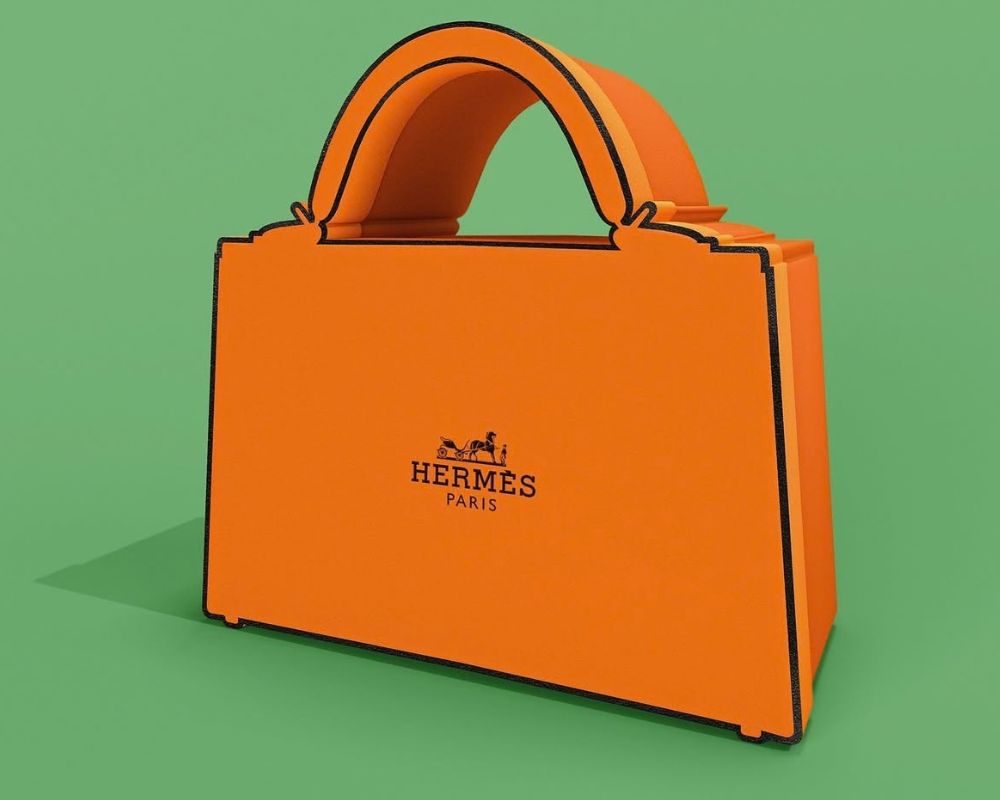
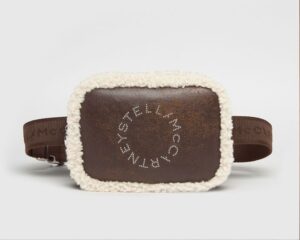
Stella McCartney’s Mylo mushroom leather bags are exactly the kind of next-generation response the luxury fur ban shift demands. So is Hermès’s Victoria bag in Sylvania mushroom leather, and the growing range of bio-based materials from Modern Meadow, Bolt Threads and Natural Fiber Welding.
The luxury fur ban data is the consumer-side validation these brands have needed. It gives them the commercial data to accelerate their investment with confidence. The luxury fur ban data has answered the direction question. The only question left is timing.
The luxury fur ban 95 percent number, the fashion week bans and the EU regulatory pressure have together made the commercial case overwhelming.
The brands that move now on the luxury fur ban will position this as a creative statement. The ones that wait will be following someone else’s lead. The luxury fur ban has arrived.
Read next on The Pillar Edit: How Chloé built the world’s first B Corp certified luxury fashion house .
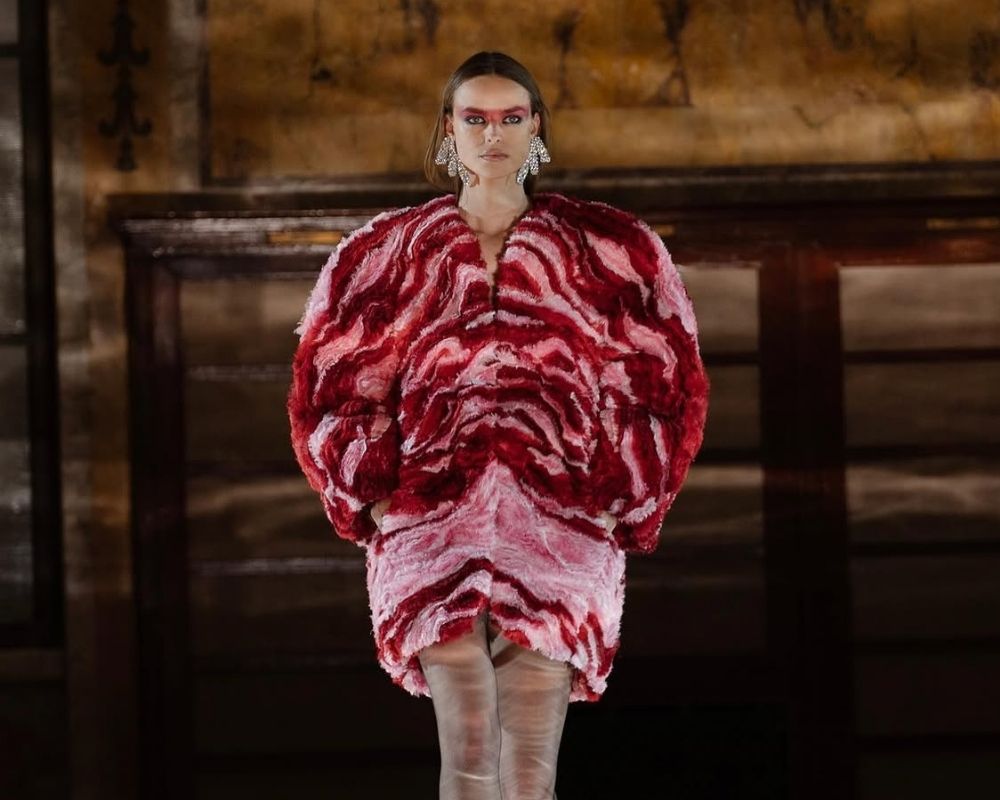
(Image credit: nyfw/Instagram)