
Two things happened in Graff that look completely different on the surface and reveal something extraordinarily coherent when read together.
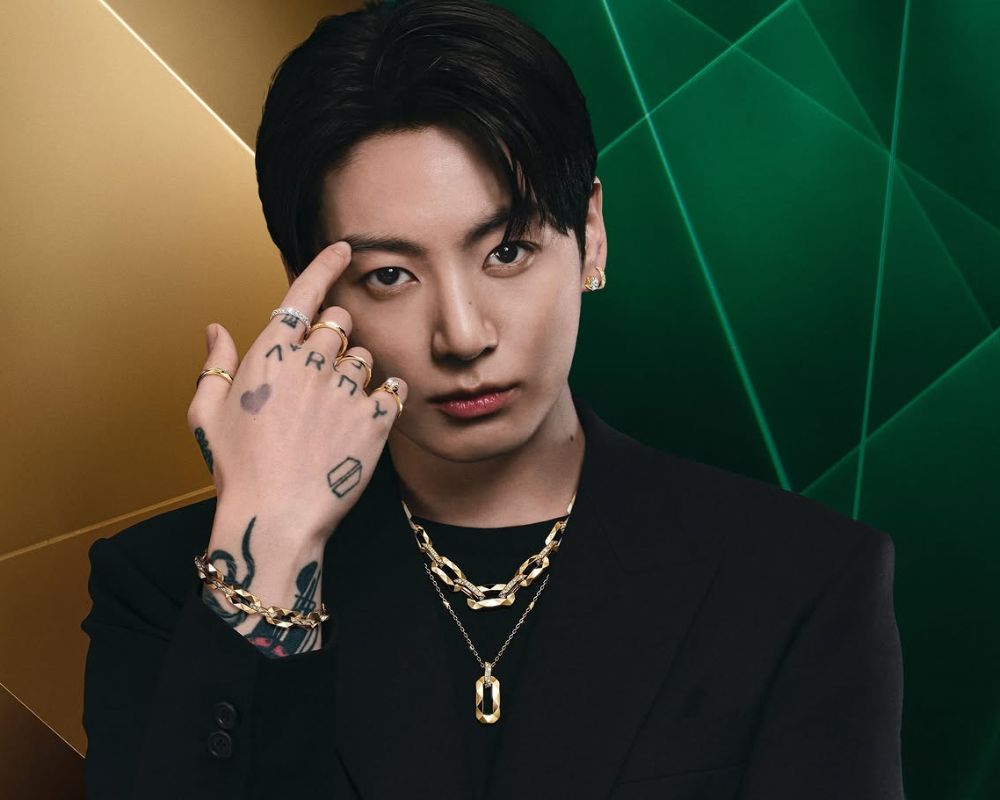
The first: on July 2 2026, Graff named Jung Kook of BTS as its global ambassador, the first in the brand’s 66-year history. The campaign, shot by Norwegian photographer Sølve Sundsbø, features the K-pop star wearing unisex goldwear from the Laurence Graff Signature collection against a faceted green-and-gold backdrop. The pieces are sculptural, contemporary and carved from a single block of gold. The audience is global, young, digitally native and predominantly drawn from markets where luxury consumption is driven by cultural affinity rather than inherited wealth.
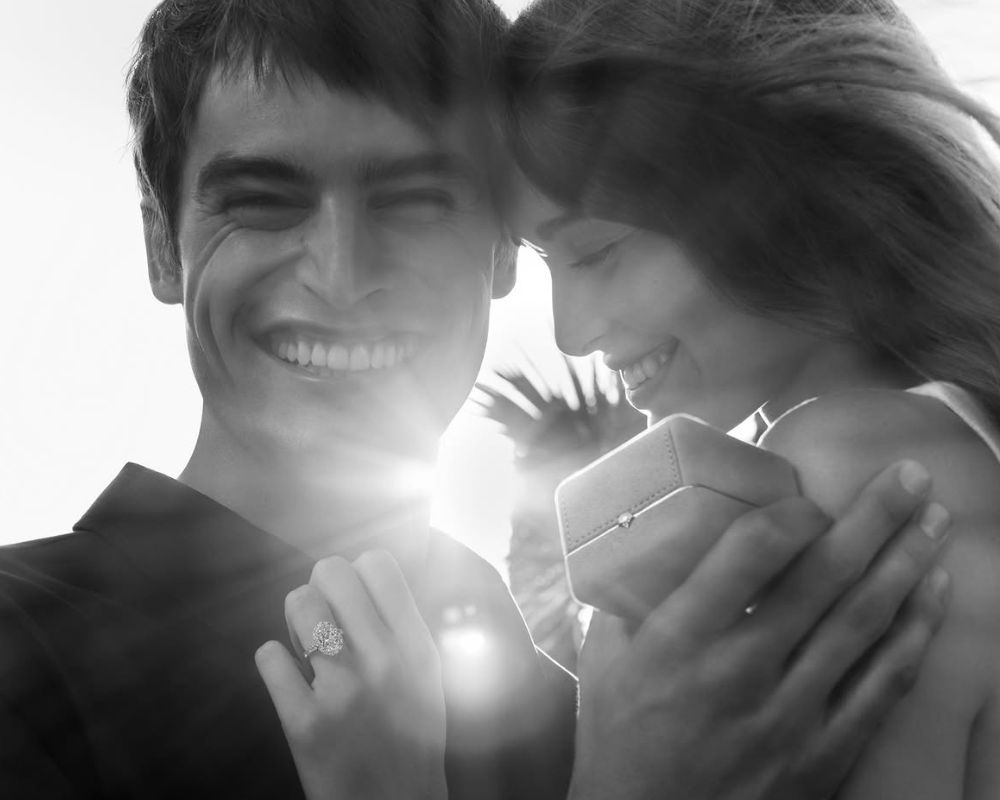
The second: Graff jewellery launched its 2026 bridal campaign at Villa Ephrussi de Rothschild in Saint-Jean-Cap-Ferrat on the French Riviera. Models Stella Hanan and Parker Van Noord move through a sun-soaked love story from proposal to wedding-day celebration, wearing the Promise, the Icon and the Flame engagement ring settings alongside pieces from the Butterfly, Tilda’s Bow and Classic Graff collections. The audience is the UHNW bride, the generational luxury consumer, the woman who has always known she would wear a Graff diamond when the moment came.
In the same year, Graff has delivered two campaigns that could hardly look more different. Yet beneath the contrast lies a remarkably considered strategy: one that allows the jewellery house to move effortlessly between cultural relevance and the timeless glamour of high jewellery.
Why Graff’s Jung Kook move is bigger than celebrity endorsement
When François Graff, CEO, described Jung Kook as a cultural icon whose performances are bold yet refined and crafted with a brilliance that is impossible to ignore, the language was doing more commercial work than a casual reading suggests.
Graff jewellery has a specific challenge shared by every heritage fine jewellery house with a predominantly female and predominantly older consumer base: how to remain commercially relevant to the generation of luxury buyers who will sustain the category for the next thirty years without abandoning the identity that makes the brand worth buying in the first place. Most houses solve this problem by launching a more accessible product line, reducing price points, adding coloured gemstones or entering collaborations with contemporary designers. Graff took a different approach.
The Laurence Graff Signature collection, which Jung Kook fronts, is contemporary goldwear at genuine luxury price points. The pieces are unisex, architecturally sculptural and inspired by the geometric facets of a diamond, which means they carry the brand’s diamond DNA without requiring the buyer to spend on a diamond. The collection extends the Graff aesthetic into a daily wear format accessible to a younger luxury consumer without diluting the brand’s positioning at the very top of the high jewellery market.
And then Jung Kook wore $126,500 worth of Graff rings at Incheon Airport on June 23, nine days before the announcement, and his fans identified every piece within hours. That organic moment, unmanufactured and unstaged, generated commercial momentum that no media budget can replicate. The Graff jewellery Jung Kook appointment is the first global ambassador decision the brand has made in 66 years. The fact that it chose a K-pop star in his late twenties, returning from two years of mandatory military service, as that historic first says something very specific about where Graff sees its commercial future.
How Graff turns Riviera romance into brand power
The 2026 Graff bridal campaign chose Villa Ephrussi de Rothschild with complete intention.
Built between 1905 and 1912 for Béatrice de Rothschild on the Cap Ferrat peninsula between Nice and Monaco, the villa is one of the most architecturally and historically significant private estates on the French Riviera. Its gardens cascade toward the sea in nine distinct themed sections. Its interiors are furnished with pieces from the collections of Marie Antoinette and Joséphine de Beauharnais. The pink facade and the specific quality of its Riviera light are immediately recognisable to any UHNW luxury consumer who has ever visited, dreamed of visiting or seen it in the pages of a magazine.
For Graff jewellery, the choice of location is a statement about provenance, about the civilisational weight that the brand associates with its most important category and about who the Graff bride is. She is the woman who knows Villa Ephrussi de Rothschild. Who appreciates that the Promise engagement ring setting takes its name from the 603-carat Lesotho Promise rough diamond. That the Flame setting is named after the 100-carat Graff Flame, a diamond that Laurence Graff sent back to the wheel after his master stonecutter had already declared it perfect, prepared to lose carat weight in pursuit of something more perfect still.
Each Graff engagement ring setting is named after a real diamond from the house’s history. The Promise. The Flame. The Icon. This is brand storytelling of the highest commercial order, because it transforms a purchase decision from the acquisition of a beautiful object into an entry into a specific and verifiable history. The Graff bride is buying a piece of that history, and the French Riviera campaign is designed to make her feel the full emotional and cultural weight of what that means.
How the two campaigns talk to each other commercially
It is easy to see Graff’s Jung Kook and French Riviera campaigns as exercises in speaking to two very different audiences. That reading is correct, but it is only half the story. Look closer, and both campaigns reveal a much more calculated approach to winning the next generation of luxury jewellery buyers.
What Graff jewellery is actually building is a brand architecture that makes both audiences feel the same thing: that wearing Graff is a statement about who they are at the highest level of their identity. For Jung Kook’s global fanbase, that statement is about cultural alignment, about aspiration, about belonging to a moment in global culture that the most exciting and most commercially powerful star in the world has validated through his own personal choices. For the UHNW bride at Villa Ephrussi de Rothschild, that statement is about permanence, about legacy, about choosing the house that has been producing the world’s most extraordinary diamonds since Laurence Graff opened his first London workshop in 1960.
The Laurence Graff Signature collection that Jung Kook wears sits in the same brand alongside the Promise, the Flame and the Icon engagement ring settings. A younger buyer who discovers Graff through the Jung Kook campaign and buys a Laurence Graff Signature chain link necklace is entering a brand relationship that may culminate, a decade later, in an engagement ring named after a 603-carat diamond from Lesotho. The commercial logic of the two campaigns is sequential as much as parallel.
This is the Graff jewellery commercial strategy at its most sophisticated: using two entirely different cultural languages to make the same fundamental brand promise to two audiences who will eventually converge around the same house.
The Graff jewellery strategy every luxury brand should be watching
The Graff jewellery dual campaign model is the clearest available illustration of something that the luxury industry has been trying to articulate clearly for several years: that heritage and contemporaneity are strategic complements rather than commercial opposites when the brand identity is strong enough to contain both.
The Graff jewellery model avoids a trap that has caught many heritage houses: pursuing the younger audience by abandoning the older one, launching accessible product lines that undermined the premium positioning that made the brand worth pursuing in the first place. Graff has avoided that trap by making the contemporary offering, the Laurence Graff Signature collection, as genuinely luxurious and as architecturally considered as the high jewellery it sits alongside.
Jung Kook wearing a $15,000 gold chain link necklace is making a different statement from a brand entering the accessible jewellery market. He is wearing something that belongs in the same Graff jewellery house as a $5 million pink diamond, and the coherence of that positioning is what makes the dual campaign strategy commercially defensible.
The French Riviera bridal campaign, meanwhile, is doing something equally sophisticated for the heritage audience. Rather than simply presenting beautiful jewellery in a beautiful setting, it is telling specific stories about specific diamonds, giving each ring a name and a history that transforms the purchase from a transaction into an inheritance. That is commercial storytelling at its most sophisticated, and it is one that only a house with 66 years of accumulated diamond history can execute credibly.
Graff jewellery has produced two of the most commercially intelligent campaigns in luxury this year. The real intelligence is that they are one strategy, told in two languages, to an audience that is larger and more commercially connected than either campaign alone would suggest.
Read next on The Pillar Edit: Celine is the most-searched brand on resale in 2026, thanks to Phoebe Philo.
(Image credit: graff/Instagram)