


Every August, Virtuoso brings the luxury travel industry together for its annual Travel Week. The network spans 54 countries and represents more than $30 billion in travel sales, giving it an unusually powerful view of where affluent travellers are actually booking. When Virtuoso speaks, the hospitality industry should be listening.
The 38th annual Virtuoso Travel Week took place in late August 2026. Its latest data points to a shift luxury hotels can’t afford to ignore.
The headline number is 59 percent.
Autumn bookings are up 59 percent, sales have risen 69 percent, and September sales have jumped 77 percent. November is up more than 70 percent on both measures. Autumn is no longer the quiet stretch between summer and the holiday season. It is becoming a commercial opportunity in its own right. Here are the five most commercially significant luxury travel itineraries 2026 has revealed, based on Virtuoso’s latest data.
1. The French Riviera is up 179 percent and the shoulder season is officially over
Here is the luxury travel itineraries 2026 number that should genuinely surprise every hospitality brand still operating on a seasonal pricing model.
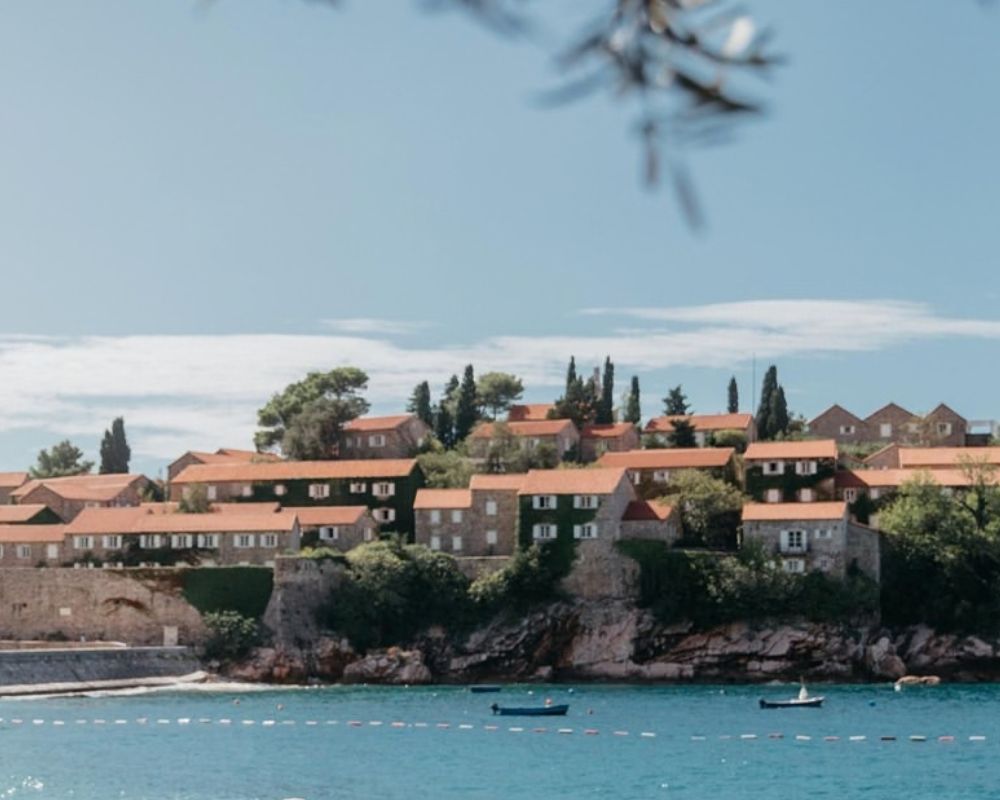
Bookings to Europe this autumn climbed 49 percent even as rates rose more than seven percent, lifting overall sales 64 percent. The French Riviera recorded rate growth of 179 percent. The Greek Isles are above 130 percent. Puglia is at 78 percent. These are coastlines and destinations that until recently emptied by mid-September. They are filling at premium rates in 2026 because the luxury traveller has made a decision that the industry is still catching up to: autumn is better.
Rather than using shoulder season primarily to secure lower prices, luxury travellers are increasingly choosing later travel dates for favourable conditions and fewer crowds. Spending is also rising at the top end. The shoulder season, the period luxury hotels have historically discounted to fill, has shed its bargain reputation entirely at the top of the market.
The luxury travel itineraries 2026 commercial intelligence for hospitality brands is specific. If a property on the French Riviera, in Greece or in southern Italy is still offering autumn discounts to generate occupancy, it is leaving significant revenue on the table. September booking volumes on the continent have climbed from 79 percent of August’s in 2023 to 92 percent, and Virtuoso’s pacing data suggests September could outsell August this year. The brands that repriced autumn are capturing extraordinary rate growth. The ones still offering shoulder season discounts are leaving money on the table.
2. City-maxxing is the most booked itinerary format of 2026
The most booked format within luxury travel itineraries 2026 has a name: city-maxxing. It describes the growing preference among UHNW and HNW travellers for multi-city itineraries that combine two, three or four urban destinations within a single trip, replacing the traditional single-destination holiday with a more programmatic, more curated and more commercially sophisticated form of travel.
Sixty percent of Virtuoso clients are prioritising bucket-list trips, 42 percent are booking further ahead to secure preferred options and 30 percent are taking fewer but longer, higher-quality trips. The city-maxxing itinerary sits at the intersection of all three behaviours: it is a bucket-list trip by definition, it requires advance booking to coordinate multiple hotel arrangements and it represents a fewer-but-better philosophy applied to urban luxury experiences.
For luxury hospitality brands, the city-maxxing trend has a specific commercial implication. The traveller building a Paris, Rome and Istanbul itinerary in a single trip wants Rosewood Paris and Rosewood Rome, and the brand that has the strongest portfolio across multiple cities captures the entire trip rather than a fraction of it. Four Seasons, Rosewood, Belmond and Aman are the brands best positioned commercially to capture the city-maxxing traveller because their multi-city portfolios allow a single relationship to service an entire itinerary. The independent luxury hotel, however exceptional in its individual market, is structurally disadvantaged by this trend.
3. Wellness is the fastest growing luxury travel category
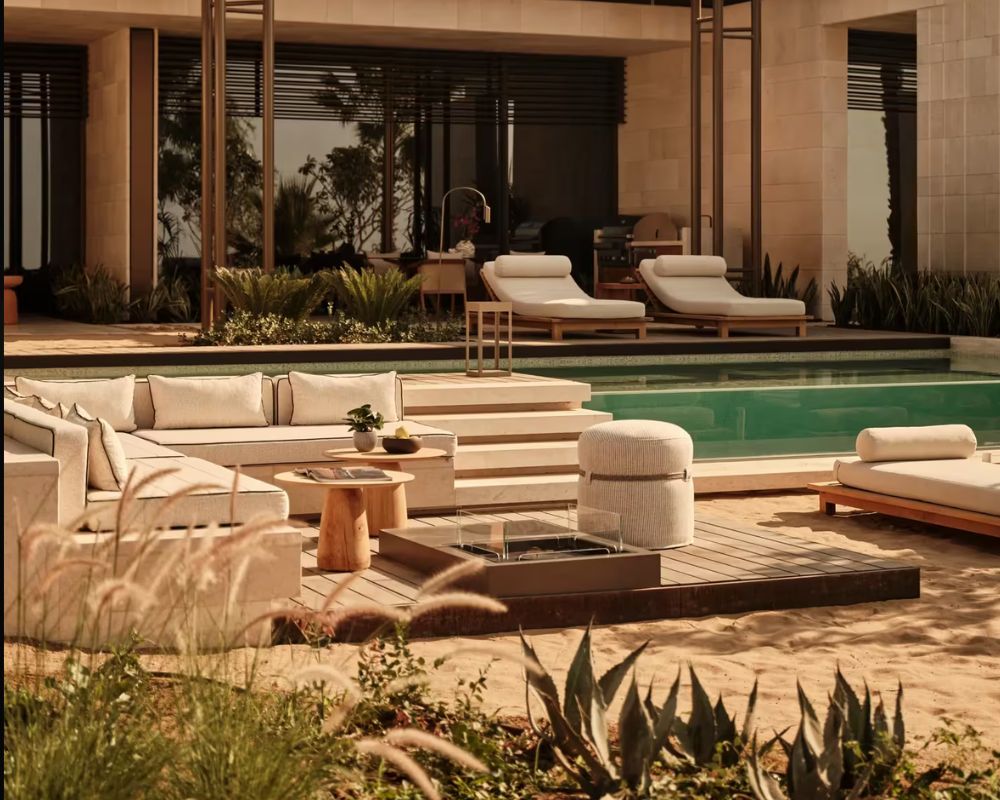
Wellness has moved from amenity to itinerary in luxury travel itineraries 2026. The numbers are extraordinary: wellness-segmented hotels with bookings up 28 percent, sales up 44 percent and average daily rates up 23 percent.
And those numbers still understate the most interesting development within the category. The category now spans sleep optimisation, metabolic health and mental-health retreats, with longevity tourism the breakout segment, pairing medical diagnostics with five-star hospitality.
The longevity trip is the most commercially significant entry in the luxury travel itineraries 2026 landscape because it combines the two strongest trends in UHNW consumer behaviour: the shift from product ownership to experience investment and the growing willingness to spend significantly on health optimisation. The guest booking a longevity trip is seeking measurable outcomes above all else. They want blood panels, biological age assessments, physician-supervised protocols and expert-designed programmes, all delivered within an environment of extraordinary luxury.
Virtuoso advisors describe three distinct wellness travellers. The performance optimiser, who wants data and measurable outcomes. The restoration seeker, who wants stillness, nature and a digital detox. And the meaning seeker, drawn to mindfulness and retreats built around a life transition.
Each of these three profiles requires a different product, and the hospitality brands that have understood this segmentation are building meaningfully differentiated offerings for each. Lanserhof is the performance optimiser’s destination. Aman is the restoration seeker’s. SHA Wellness and Chiva-Som are building for both. The brands that are still offering a generic wellness menu, a spa, a healthy breakfast and a yoga class are competing in a category that their most commercially valuable guests have already moved beyond.
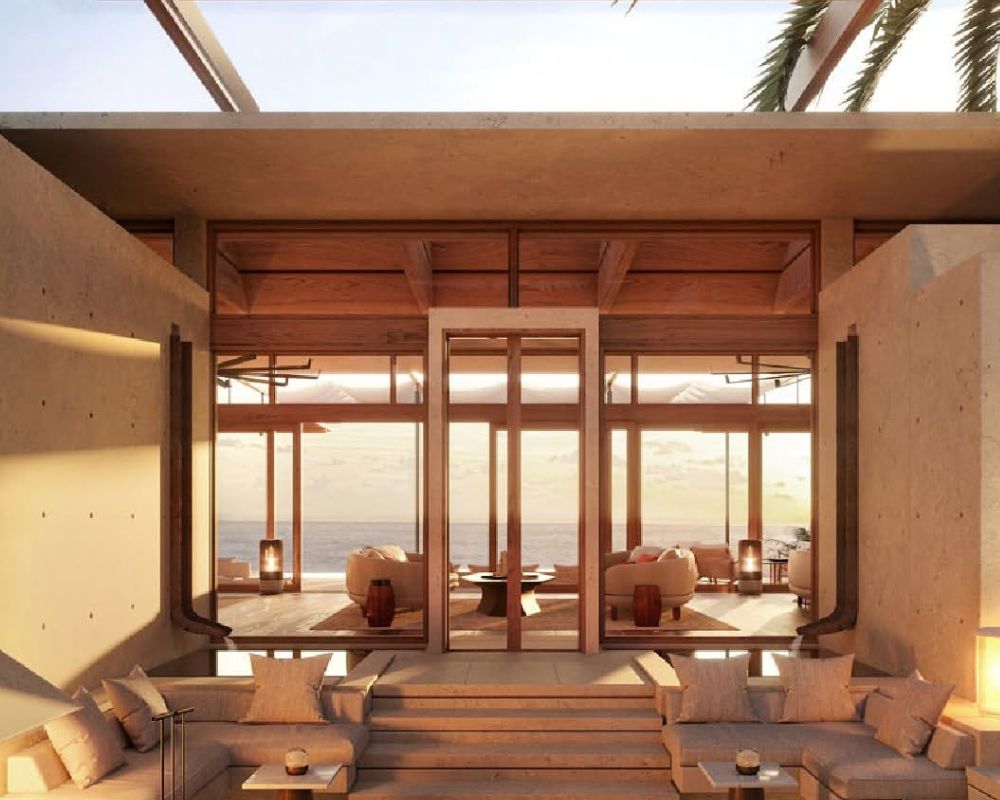
4. The new baseline is $1,500 per night and it is still climbing
Bookings at hotels charging US$1,500 or more per night have increased 37 percent, more than twice the growth rate of lower-priced properties. Average rates have reached US$1,653 per night at international luxury hotels, compared with US$985 in 2019.
The premium accommodation floor has shifted in ways that have permanent implications for how luxury hospitality brands price, position and communicate their value. The UHNW traveller of 2026 is spending 68 percent more per night than the same demographic was spending in 2019, and they are growing their bookings at more than twice the rate of travellers in lower price bands. This is the luxury travel market concentrating its growth at its very top, and the commercial implications for brands positioned anywhere below the $1,500 per night threshold are significant.
The luxury travel itineraries 2026 premium floor is also reshaping what guests expect beyond the room itself. At an average nightly rate of $1,653, the UHNW traveller is expecting personalisation that goes beyond a pre-arrival preference form, an F&B programme that makes the property a dining destination in its own right, and a service philosophy that anticipates rather than responds. The brands delivering on all three at the $1,500 threshold are growing at more than twice the rate of those that are not.
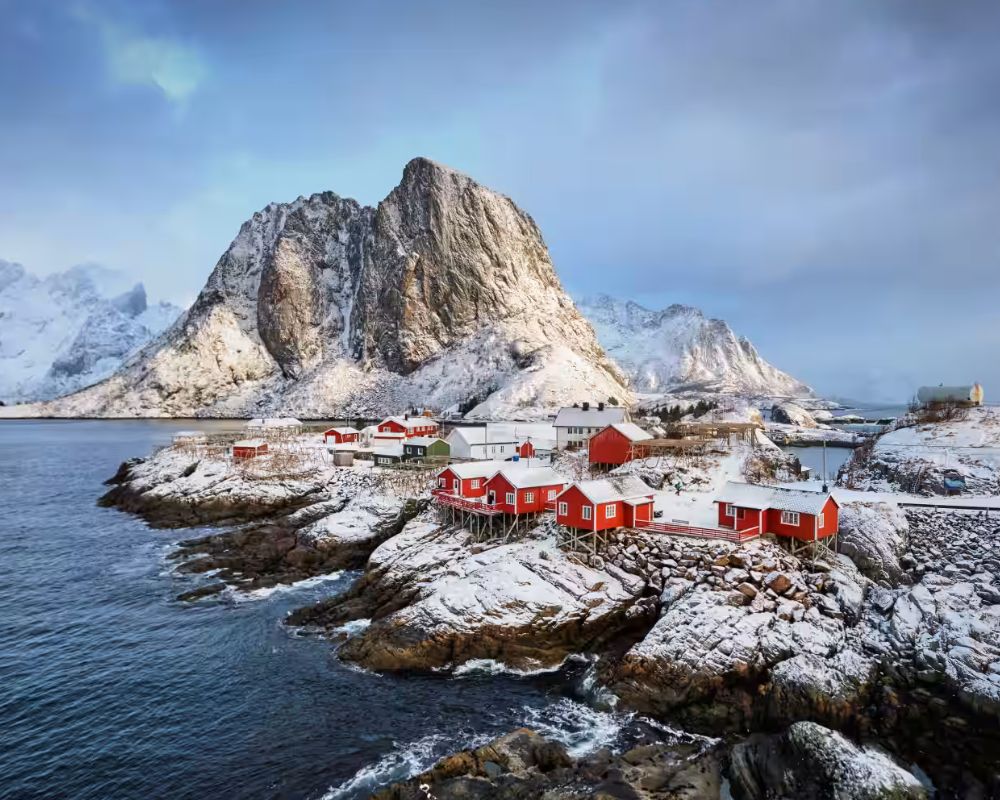
5. The coolcation is sending the world’s most valuable guests to Norway and Iceland this autumn
Among luxury travel itineraries 2026, the coolcation is reshaping the calendar from a direction the industry has been slow to acknowledge: climate. Summer heat in traditional European hotspots is making peak-season travel uncomfortable, and affluent travellers are solving the problem by changing the calendar entirely.
Summer trips to Europe are down 10 percent year over year, while fall trips to Europe are up by 25 percent. Top growing destinations include the Nordic and Arctic north for their expedition cruises and luxury lodges.
Norway, Iceland, Finland, Svalbard and the broader Arctic region are appearing more frequently in luxury travel itineraries 2026 than at any previous point, and the hospitality brands building in these markets now are positioning themselves ahead of a demand curve that climate science suggests will only steepen. The guest choosing Tromsø over Tuscany in August is making a conscious decision that combines aesthetic preference, environmental awareness and the practical reality of what 42 degrees in Florence feels like. That guest is also typically a repeat luxury traveller with the commercial profile to sustain premium pricing in markets that are inherently more expensive to operate.
5 things every luxury hospitality brand should do before 2026 ends
The luxury travel itineraries 2026 data points in five specific directions. Here is what to do with each one.
First, reprice autumn. If a property is still offering seasonal discounts in September, October or November, the data says those discounts are leaving revenue on the table. The shoulder season is over at the top of the market.
Second, build a multi-city story. The city-maxxing traveller wants a relationship with a brand across multiple addresses rather than a single exceptional property. Brands with single-city footprints need to think carefully about partnership, collection membership and referral relationships that allow them to participate in the multi-city itinerary rather than being excluded from it.
Third, define the longevity offering with specificity. A spa menu and a yoga schedule are wellness amenities. A longevity programme is a physician-supervised protocol with measurable outcomes. The brands that can articulate the difference clearly are the ones capturing the fastest-growing segment in the category.
Fourth, understand which of the three wellness traveller profiles the property serves. The performance optimiser, the restoration seeker and the meaning seeker want different things from a wellness stay and the property that tries to serve all three with the same product ends up serving none of them well.
Fifth, watch the climate migration. The destinations growing fastest in the Virtuoso data are cooler, less crowded and increasingly positioned as the answer to a problem, the overcrowded, overheated summer in traditional European luxury markets, that the UHNW traveller is solving by changing their calendar. The brands and destinations that understand this migration earliest will capture the most commercially significant guests in the luxury travel itineraries 2026 market.
The luxury travel itineraries 2026 data is telling the hospitality industry something it can measure. The most commercially valuable guests are going where conditions are best, where crowds are thinnest and where the experience matches what they believe they deserve. The brands that understood the luxury travel itineraries 2026 shift first have autumn bookings up 59 percent and September sales up 77 percent. The brands still planning around last year’s seasonal logic are watching their most valuable guests go somewhere else entirely.
Read next on The Pillar Edit: Hushpitality is the most important word in luxury hospitality right now.
(Image credit: secretatlas.com)