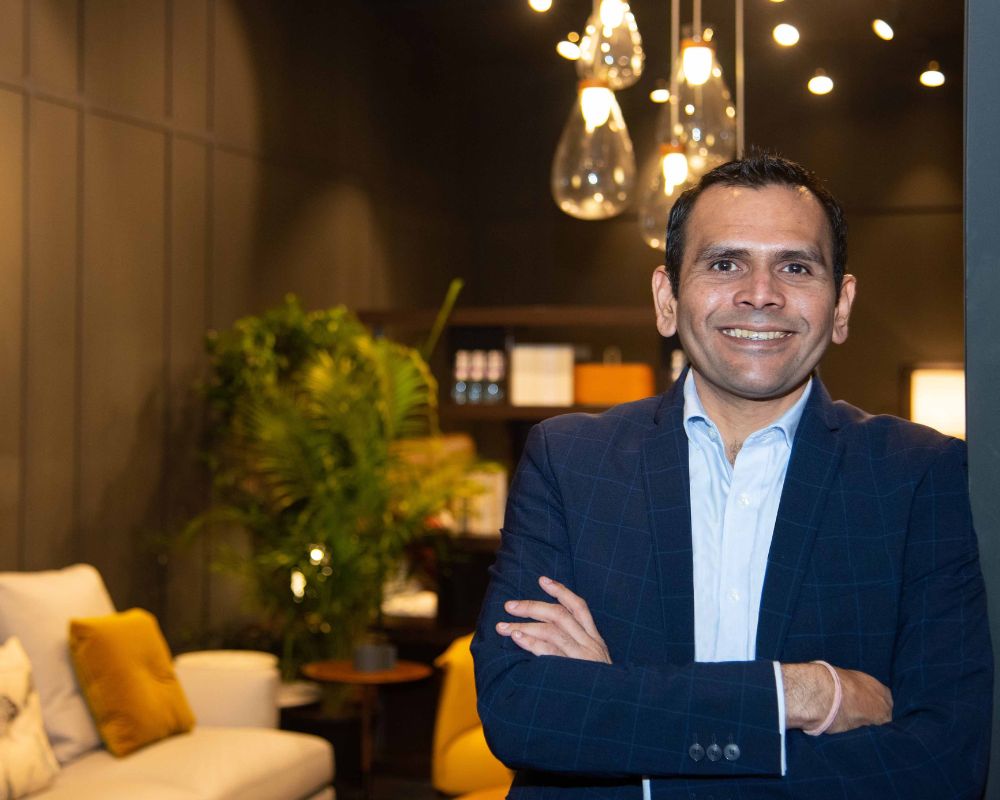
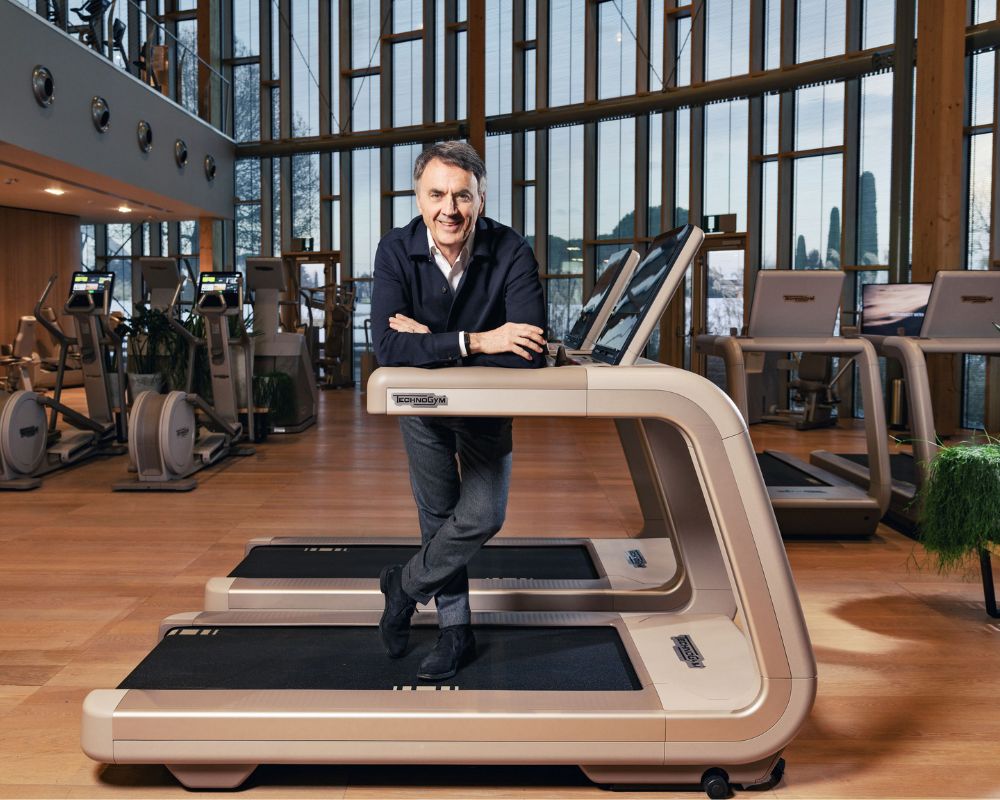





Nerio Alessandri was ahead of the data by years
Here is what the numbers look like right now. The global wellness market is valued at roughly $6.8 trillion. It is growing at approximately 10% year on year, more than twice the rate of the beauty industry. Preventive wellness in particular is breaking out, with healthcare technology and related services projected to grow at 12% through 2030. The consumer mindset, as McKinsey has tracked it, is shifting from living longer to living better for longer. That distinction carries enormous weight. It is a complete reframing of what the wellness industry exists to do.
And yet most of the industry is still selling a treadmill and a motivational playlist.
Alessandri has been arguing for something different for a long time. The entire Technogym fitness ecosystem was built around what he calls Wellness Design, an integrated approach that combines smart hardware, digital platforms, AI and personalised content into what he describes as “a single ecosystem” designed to “support measurable results and long-term health, rather than short-term fitness goals.”
Forget six-week programmes. Forget summer bodies. The real conversation has always been about long-term health. The healthcare sector has understood that distinction for years, and it is finally beginning to shape the wider wellness industry.
The gym is becoming a clinical space and most gyms are behind the curve
What industry analysts are calling “Everything Gyms” are merging diagnostics, coaching, recovery and community to support complete lifestyle makeovers. Longevity clinics are replacing traditional GP checkups for affluent consumers. Wearables from WHOOP, Ultrahuman and Oura have all launched diagnostics, turning devices that once counted steps into tools that monitor cardiovascular health, stress hormones and recovery markers in real time.
The gym is becoming a clinical space. The equipment inside it is becoming a medical device. and the data it generates is becoming as valuable to long-term health as anything a doctor says at an annual checkup.
Technogym fitness has understood this for longer than most. Alessandri puts it plainly: “When used responsibly, AI, data and connected devices can personalise experiences, improve safety, and help individuals train smarter while staying motivated and consistent over time.”
Train smarter, not harder. That is not a fitness marketing slogan but a clinical framework rooted in prevention, load management and evidence-based physical medicine. It reflects the thinking of a company that has spent ten Olympic Games studying how elite athletes train, recover and perform, while asking a more important question: how can those same principles improve health for everyone else?
Why the luxury industry should be paying attention
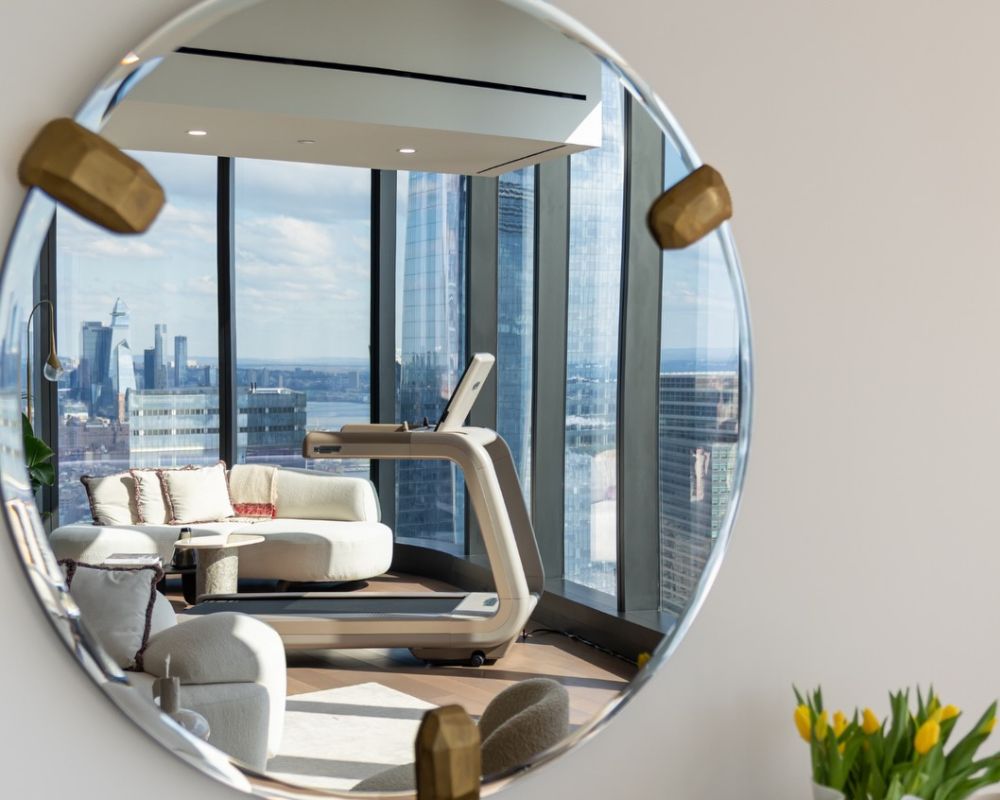
Wellness real estate is already the fastest-growing sector of the wellness economy, and longevity-focused living is its next evolution. The Global Wellness Summit has identified a future in which homes are judged by how well they support healthspan across decades rather than by square footage or amenities. In that world, the equipment inside a home gym is a health infrastructure decision, full stop.
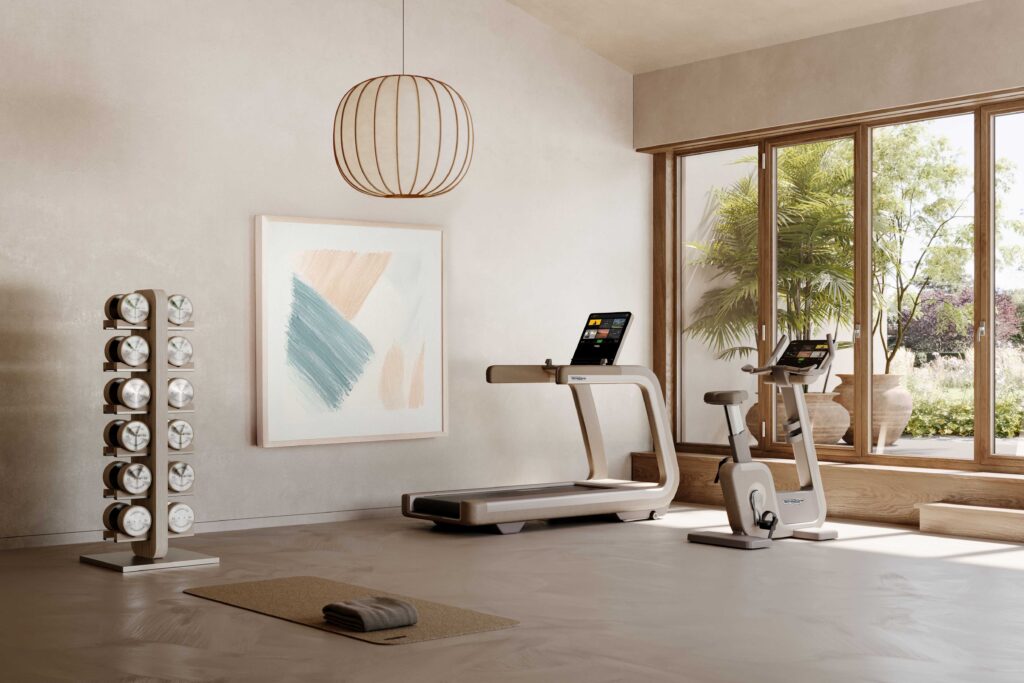
This is precisely where the Technogym fitness and Wellness Design philosophy becomes genuinely strategic rather than merely aesthetic. Alessandri describes it like this: “Our equipment is designed not only to deliver top-tier functionality and biomechanical excellence but also to serve as timeless pieces of design, akin to luxury furniture.” Products “crafted as pieces of art, each one a masterpiece in its own right,” designed to align with their environment whether that is a luxury hotel, a private residence, a wellness resort or a hospital.
Read that last word again. A hospital.
Here’s a smoother version without starting with “That”: This sends a deliberate signal about where Technogym fitness equipment is being used and, more importantly, who is using it. A company whose equipment is designed for hospitals is operating in the healthcare business, regardless of what the equipment looks like.Technogym fitness and the rise of a more inclusive, science-driven wellness industry
Those are Alessandri’s own words, and they land differently when held against the wider picture of where wellness is going in 2026.
Nearly 30% of Gen Z and millennial consumers in the US prioritise wellness significantly more than they did a year ago. These consumers are looking for products that deliver measurable outcomes, better sleep scores, clinical-grade claims and longevity markers. They value proof over promises and data over inspiration.
Meanwhile, med-cations combining healthcare with luxury travel are an entire business sector emerging from the shadows, as affluent consumers seek experiences that leave them measurably healthier rather than simply rested. Recovery modalities like cryotherapy, red light therapy, infrared sauna and lymphatic drainage are moving from elite athlete circles into mainstream wellness routines. The line between a hotel spa treatment and a clinical intervention is dissolving in real time.
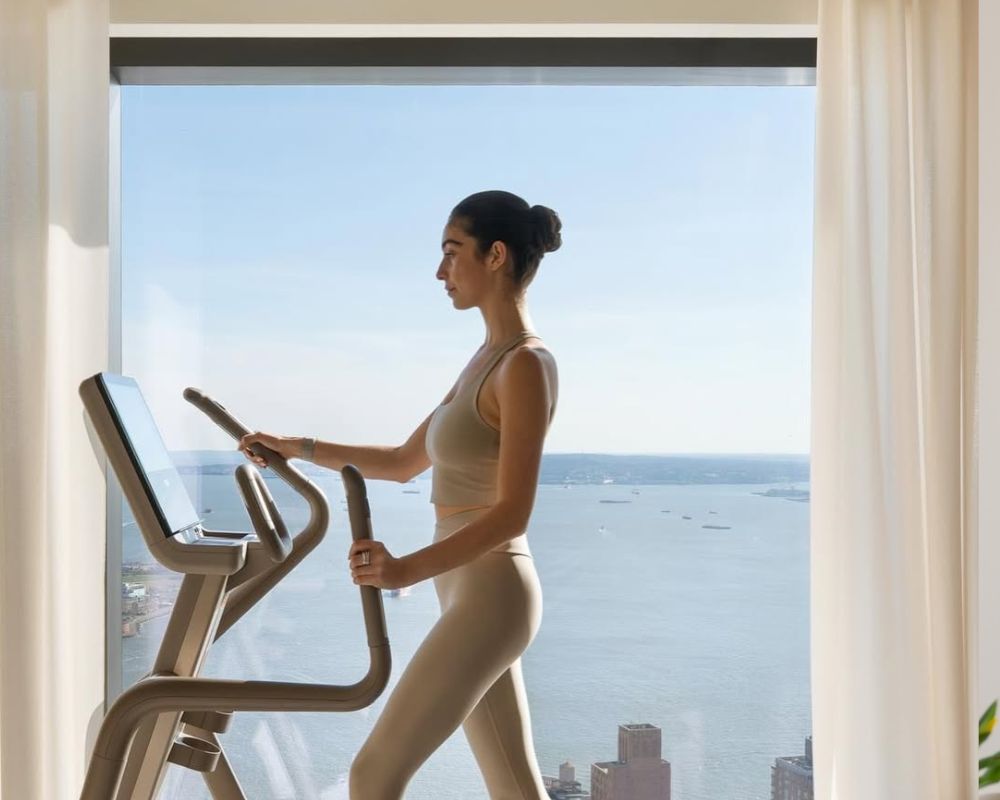
Technogym fitness is positioned at exactly this intersection. Its tenth Olympic Games as Official Supplier at Milano Cortina 2026 goes beyond a sponsorship milestone. It is a statement about what kind of company this is. The Olympic movement demands the most rigorous, evidence-based approach to human performance on earth. A brand that supplies it ten times over has earned the right to speak about the science of movement in a way that most wellness companies simply cannot.
What the industry has been reluctant to say out loud
The convergence of wellness and healthcare is exposing a shift that has been building for years. Wellness has traditionally traded in aspiration: sculpted bodies, enviable lifestyles and the promise of feeling better. It proved remarkably effective, commercially and culturally. Healthcare plays by a different set of rules. Outcomes matter. Evidence matters. Claims are expected to stand up to scrutiny. The question is rarely how compelling something sounds, but whether it delivers measurable results. As wellness converges with healthcare, the standards of medicine are becoming the standards of wellness. Affluent consumers are turning to longevity clinics, AI health coaches, direct-to-consumer blood testing and preventative diagnostics in search of measurable insights. They increasingly expect the brands they trust to deliver evidence, not aspiration. Nerio Alessandri recognised this shift early. His view of technology as a “powerful enabler” that must be “used responsibly” reflects a simple principle: AI and connected health data should be judged by measurable, long-term health outcomes, not engagement metrics.A closing thought
The consumer has changed. The science has matured. The stakes have risen. People are working out because they have finally understood that movement is medicine and consistency is prevention. Building physical and mental health into everyday life is no longer a lifestyle choice but a long-term investment in health. Nerio Alessandri articulated this vision years before the rest of the industry caught up. Through Technogym’s Wellness Design philosophy, integrated ecosystem, hospital-grade equipment, and presence across ten Olympic Games, the company consistently championed prevention and longevity over short-term fitness goals. As wellness converges with healthcare, the brands that will lead this next chapter are those that recognised the shift early. Technogym was already one of them.Also worth reading: Why everyone from Kendall Jenner to Paris fashion insiders is wearing Alo. Technogym fitness is redefining what wellness looks like from the inside. Alo Yoga is doing the same thing from the outside. One builds the equipment. The other builds the wardrobe. Together they tell the full story of how wellness became the defining luxury status symbol of this decade.