

The 2026 World Cup final is still on July 19, but the race to sign the next wave of football brand ambassadors is already well underway behind the scenes. Luxury houses do not wait for a player to lift the trophy before they start negotiating. They watch the tournament like a live audition, tracking engagement, follower growth and on pitch performance week by week, then move fast the moment the final whistle blows. If the last few tournaments are anything to go by, the next round of football brand ambassadors will not just be the players everyone already knew before June, they will include a few names the world only just discovered.
The fivefold rise in luxury-sport partnerships reveals what brands are really buying
The numbers tell the story. According to Luxurynsight, partnerships between luxury brands and the sporting world have surged from just 19 in 2019 to 96 in 2025, a fivefold increase in only six years. The data points to a broader strategic shift: luxury brands are moving beyond event-based sponsorships and investing in athletes with year-round cultural influence. A World Cup sponsorship is powerful but fleeting, lasting only a few weeks before the conversation moves on. A footballer, by contrast, continues to generate headlines, social engagement and cultural relevance long after the final whistle, reaching audiences across multiple markets throughout the year. That is why, while fans are still focused on goals and knockout rounds, luxury brands are already analysing engagement rates, audience growth and cultural impact, identifying the players who will become their next brand ambassadors once the tournament ends.Football brand ambassadors: The established players setting the pace
Before you look at who is next, it helps to see what the current crop of football brand ambassadors already looks like, because it tells you exactly what luxury houses are willing to pay for. Kylian Mbappe remains the clearest example. He is a longstanding Hublot ambassador, a Dior face, and just ahead of this tournament he signed a new endorsement deal with Fairmont Hotels and Resorts, a sign that the crossover between footballers and luxury hospitality is only getting stronger. Dior’s appeal to him in the first place makes sense too, since he offers simultaneous access to European, American, African and Middle Eastern markets through one face, while pulling in a noticeably younger clientele than luxury brands usually attract.
Jude Bellingham now appears in Louis Vuitton’s menswear range, styled under Pharrell Williams’s creative direction, and Mohamed Salah carries associations with both Gucci and Audemars Piguet in the luxury space alongside his mainstream endorsements. Lamine Yamal, already one of the most searched names from this tournament, signed a five year deal with American Eagle back in January, the brand’s first ever multi-year ambassadorship, well before this World Cup even kicked off.
Cristiano Ronaldo took things even further with Jacob & Co, co-developing an entire watch collection called Epic X CR7, turning his own initials into a product line. These are the benchmarks. Whoever joins the next wave of football brand ambassadors will likely be compared directly against this group.
The next football brand ambassadors after FIFA World Cup 2026
This is where it gets genuinely interesting. Scouts for both football clubs and marketing agencies were already circling a handful of breakout names before the tournament had even ended for some of them. Yan Diomande, the Ivory Coast winger who came out of almost nowhere to become Bundesliga Rookie of the Year, is one of the most talked about, with major European clubs reportedly at the front of the queue for his signature, even after Ivory Coast’s run ended in the Round of 32.
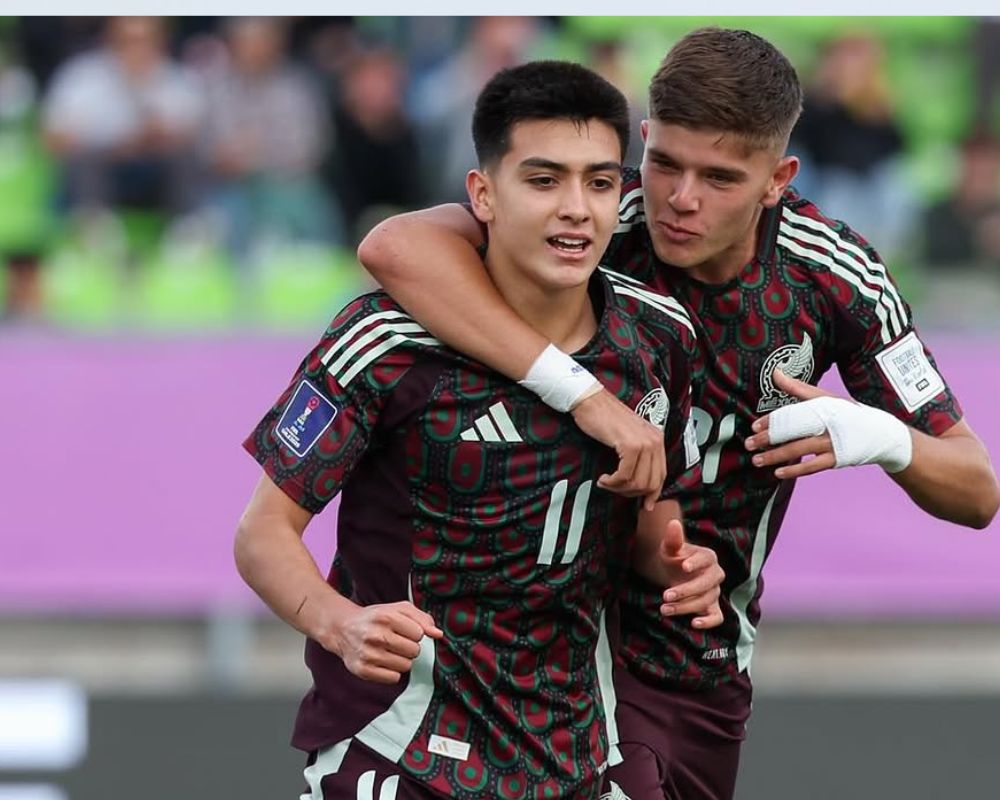
Mexico’s Gilberto Mora, just seventeen and already being positioned as the future face of his national team, is another name being tracked closely by Europe’s biggest clubs, and his profile only grew as Mexico made a run to the Round of 16. On the goalkeeping side, Curacao’s Eloy Room posted a staggering 1,131 percent increase in followers during the tournament, crossing the one million mark and creating an estimated sponsored post value of more than 11,000 dollars almost overnight, despite his team’s early group stage exit. Meanwhile, France’s Michael Olise picked up over a million new followers of his own and remains in contention as his side continues deep into the knockout rounds.
None of these players entered the World Cup with major luxury endorsements. That is exactly how the luxury playbook works. The next generation of football brand ambassadors is rarely decided in advance. It emerges in real time, as standout performances, viral moments and surging engagement reshape the shortlist. By the time the trophy is lifted, luxury brands have often already identified the tournament’s biggest commercial winners.
What to watch once the final whistle blows
The bigger picture here is that the next wave of football brand ambassadors is a preview of how luxury marketing is going to work going forward. Expect more five year style commitments once a breakout player is confirmed, more hospitality crossovers in the mould of Mbappe and Fairmont, and a lot more scouting based on real time social growth rather than existing fame alone. If this tournament has taught luxury marketing anything so far, it is that the next big football brand ambassadors deal will likely go to a name that was not yet a household name when the group stage began.
Read next: If the money side of football’s biggest summer interests you, read about the agencies bringing FIFA World Cup 2026 hospitality to life. It is the other half of this same story. While brands are signing footballers to become the face of a campaign, they are spending just as much, if not more, buying the room next to the pitch to entertain the clients those campaigns are meant to impress.
(Image credit: gil_morita/Instagram)
FAQ
When can we expect the next wave of football brand ambassadors to be announced?
Most major announcements typically land in the weeks and months right after the final on July 19, once brands have a clear read on which players broke out during the tournament.
Who are the breakout players most likely to become the next football brand ambassadors?
Names like Yan Diomande, Gilberto Mora, Eloy Room and Michael Olise are being closely watched, based on standout performances and rapid follower growth during the tournament.
Why do luxury brands wait until after the World Cup to sign new footballers as ambassadors?
Waiting lets brands see real tournament performance and social growth in action rather than betting purely on pre-tournament reputation, which lowers the risk of the partnership.