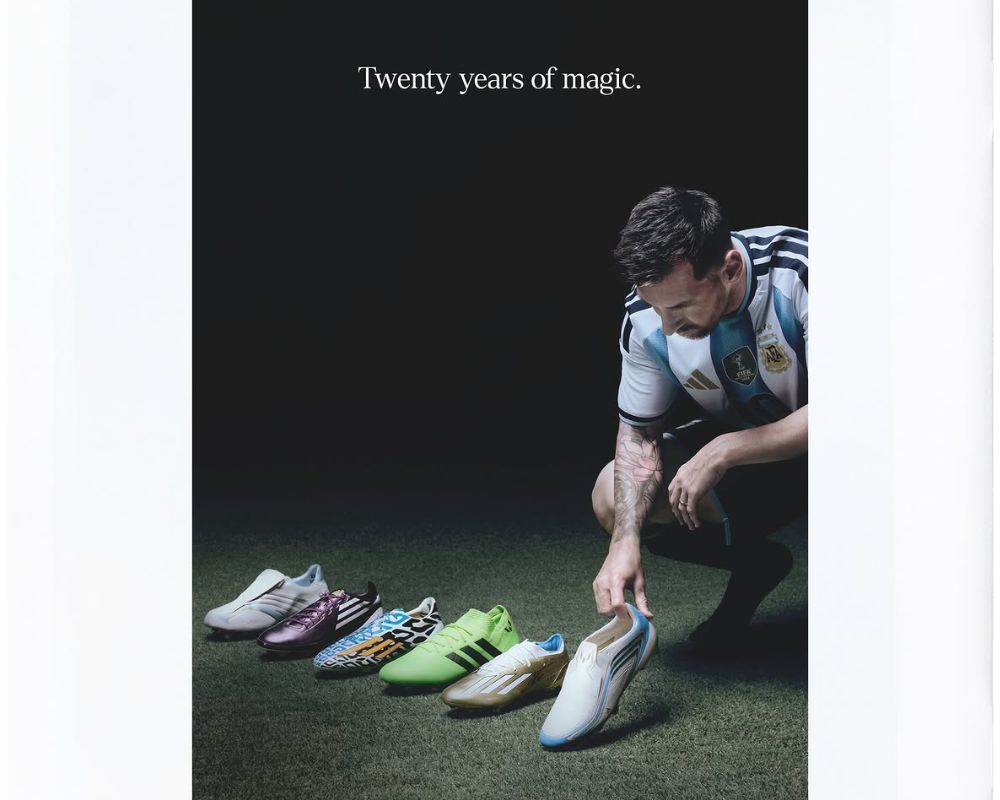



On the eve of the 2026 FIFA World Cup final, Lionel Messi posted a photograph to his social media accounts. He was wrapped in the Argentine flag, holding a pair of white boots with sky blue and gold details, and the caption read: “What a journey we’re having together, Adidas Football. With The Last Tango. Let’s go for the final. Let’s go Argentina.”
Argentina lost 1-0 to Spain in extra time. Ferran Torres scored the only goal. Lamine Yamal, the 18-year-old who Messi had held as a baby in 2007, lifted the trophy that Messi had spent twenty years of World Cups chasing. And the boots called The Last Tango, designed by Adidas to celebrate what they and everyone else understood was Messi’s final appearance on football’s grandest stage, sat in the MetLife Stadium changing room as the most expensive pair of football boots in the history of the sport, in every sense that matters.
The Messi Adidas deal, signed in 2017 and estimated to be worth approximately $1 billion in total across its duration, converts from a playing salary to a royalty and ambassador arrangement the moment he retires from professional football. His broader commercial portfolio generates approximately $135 million per year in total earnings. His net worth sits somewhere between $850 million and $1.1 billion. His Inter Miami contract runs through the 2028 MLS season. He is 39 years old.
The Last Tango was not just a boot name. It was a commercial signal. And every brand with Messi’s name on a contract heard it clearly.
What the Messi Adidas deal and the full commercial portfolio look like at $135 million per year
Before understanding what changes, it is worth establishing exactly what Messi brand deals consist of today, because the portfolio is more sophisticated than most coverage suggests.
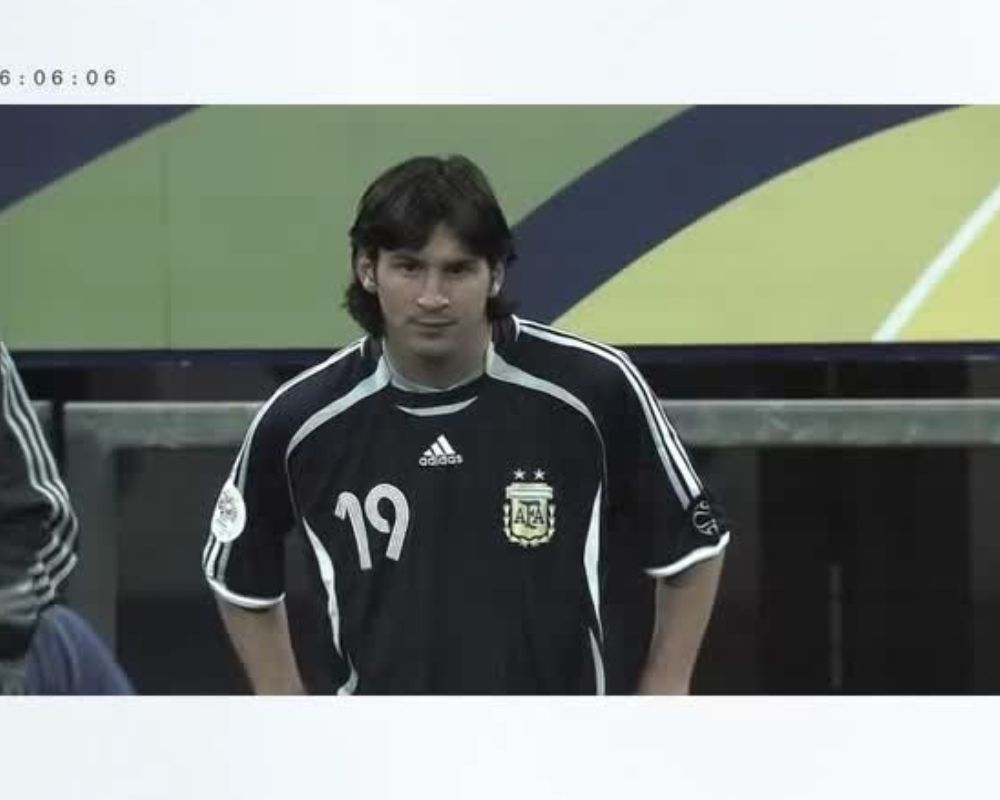
The anchor is Adidas. Messi has been an Adidas athlete since 2006, when he made his World Cup debut in Germany as a 19-year-old wearing the brand’s F50.6 Tunit boots. The relationship survived every transfer, every contract negotiation and every competitor approach for two decades. In 2017, Adidas converted the arrangement into a lifetime deal, one of only a handful ever signed in global sport alongside Michael Jordan’s Nike arrangement. The deal is estimated to be worth approximately $20 to $25 million per year during his playing career and includes co-designed product lines, revenue sharing on Messi-branded merchandise and royalty income that extends indefinitely beyond his retirement.
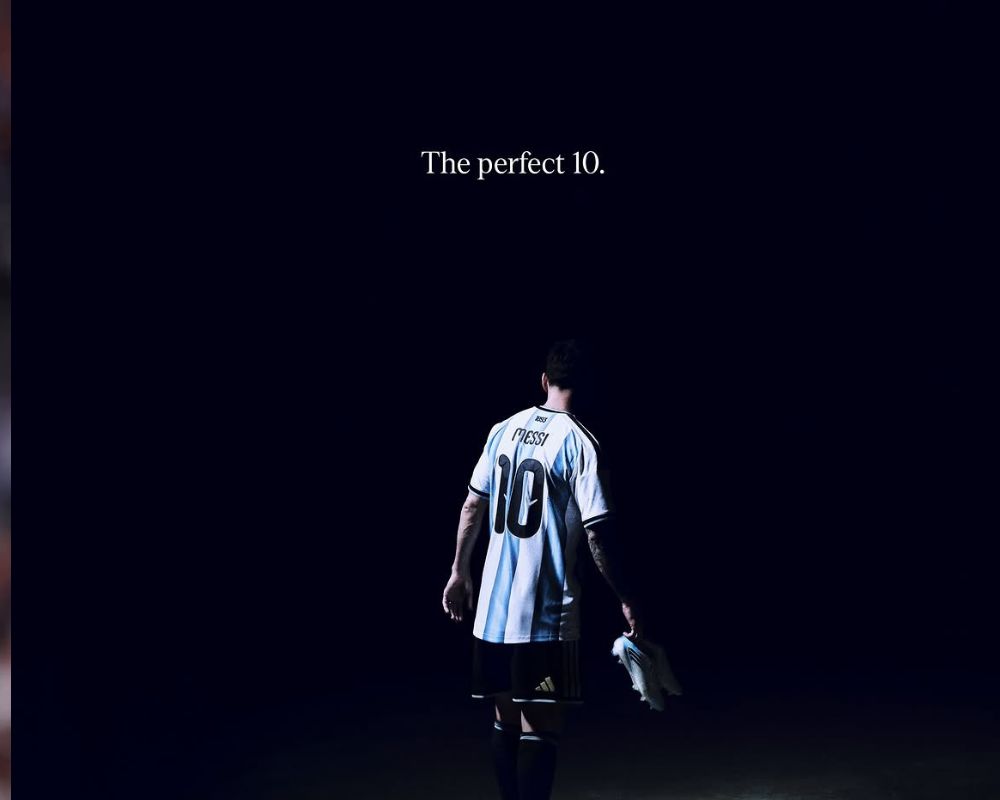
The Last Tango boots are the purest expression of that relationship. Adidas has designed a bespoke boot for Messi at every World Cup since 2006. The 2022 Leyenda boots were gold and connected his Qatar appearance to his first tournament in Germany. The 2026 Last Tango boots connected his sixth World Cup to his first, featuring a predominantly white base with sky blue and gold details and curved lines inspired by the Argentina national team, merging the classic aesthetic of 2006 with 2026 performance technology. Twenty years of history compressed into a single design object named after a farewell.
Beyond Adidas, Messi brand deals span PepsiCo across Pepsi, Lay’s and Gatorade, Mastercard, Budweiser, Hard Rock International, Apple through the MLS broadcast revenue sharing arrangement that pays him based on subscriber numbers, a Saudi Arabia tourism deal worth up to $25 million over three years, his own drinks brand Mas Plus and an equity stake in Inter Miami itself. He has a Jacob and Co watch partnership. And in 2022, he appeared alongside Cristiano Ronaldo in a Louis Vuitton campaign, the most viral luxury fashion image in the history of sport, though no long-term personal Louis Vuitton deal has been publicly confirmed.
Total annual earnings: approximately $135 million, combining salary, performance arrangements and commercial income. Net worth: somewhere between $850 million and $1.1 billion, built across two decades of accumulated wealth, investment in hotels through MiM Hotels, real estate in Barcelona, Miami and Argentina, and the Adidas lifetime deal’s compound value.
The Last Tango boots walked into the 2026 World Cup final representing all of this. They walked out of it as the last thing Messi wore on football’s biggest stage.
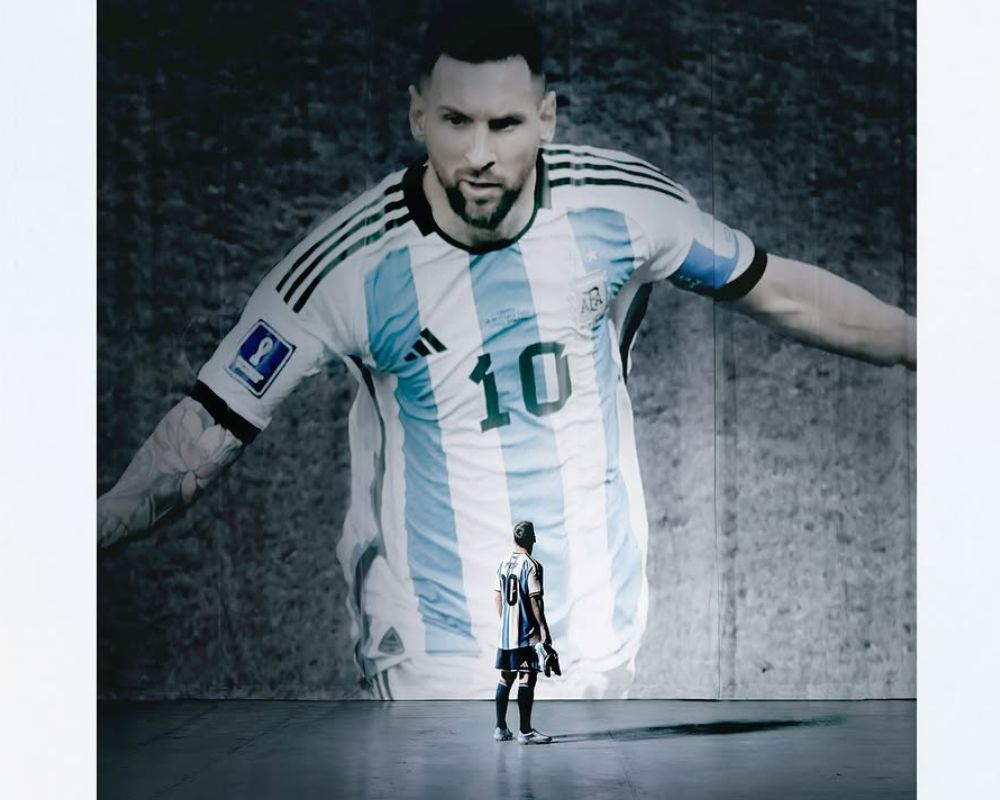
Why the boot name matters more than the result for Messi brand deals
The decision to call Messi’s 2026 World Cup boots The Last Tango was not made overnight. Adidas began designing them months before the tournament, knowing that this was almost certainly Messi’s sixth and final World Cup appearance. The name was chosen deliberately, combining the tango as the defining cultural symbol of Argentina with the word last as an acknowledgement of a farewell that everyone, including Messi, understood was coming.
What makes the name commercially significant is the question it creates for every brand in the Messi brand deals portfolio. The Last Tango was named as a farewell. Argentina lost. Messi is 39. And yet Argentine journalist Gastón Edul of TyC Sports reported after the final that Sunday’s match would not be Messi’s last appearance at the international level, suggesting he is expected to continue playing for Argentina through the 2026 Copa América. His Inter Miami contract runs through 2028. His playing career is not over.
The uncertainty itself is the commercial story. A brand partner whose contract was signed around the assumption of Messi’s World Cup participation now faces a more complicated question: what is Messi worth to them when the World Cup chapter is closed, even if the playing chapter is not?
The answer varies entirely depending on which brand is asking. And the range of answers tells the full story of how Messi brand deals are about to evolve.
Why the Messi Adidas deal was built for exactly this moment
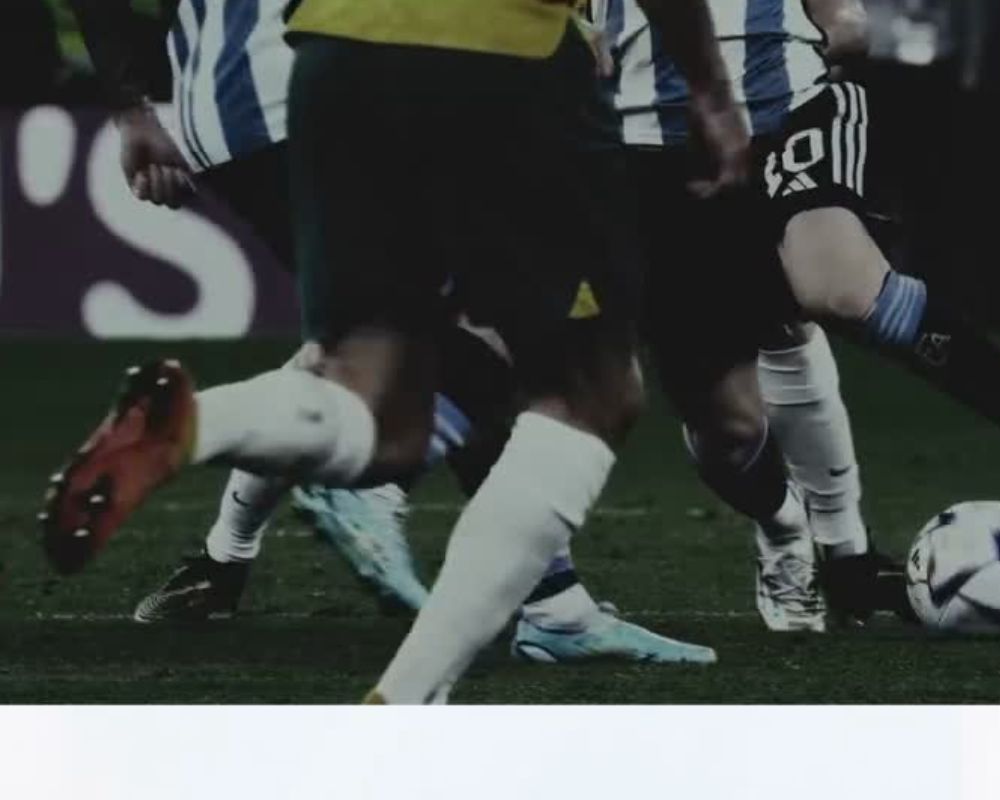
For Adidas, the end of Messi’s World Cup career is not a commercial problem. It is the moment the Messi Adidas deal was designed for.
The structure of the Messi Adidas deal is precisely what separates it from a standard endorsement arrangement. Most brand partnerships are tied to performance, playing status and competitive visibility. When the athlete retires, the deal ends or converts to a significantly reduced arrangement. The Messi Adidas deal works differently. It does not end when Messi stops playing. It converts. The $20 to $25 million annual payment during his playing career becomes a royalty and ambassador arrangement that continues generating income for Messi and brand value for Adidas across the full arc of his post-playing legacy.
Michael Jordan signed his Nike lifetime deal in 1984. He retired from basketball in 2003. In 2023, Nike’s Jordan Brand generated $6.6 billion in revenue. The precedent for what a lifetime deal looks like thirty years after the playing career ends is clearly established.
Adidas is betting that the Messi equivalent is possible. The Last Tango boots, selling at consumer retail alongside the World Cup final, are one data point in that bet. The emotional response to Messi’s farewell performance, the social media engagement around his post-match images, the search volume for his name in the days following Argentina’s defeat, are all commercial signals that the Messi Adidas deal survives the final whistle of his international career and continues generating value long into the post-playing era.
For Adidas, the Last Tango was the transition point the lifetime deal was structured around. Every boot, every campaign and every co-designed product line from this point forward is about the most important commercial question in sportswear: can you build a brand legacy that outlasts a playing career the way Nike did with Jordan? The Last Tango boots are Adidas’s first answer to that question in the Messi era.
Messi Adidas deal: Other partners for whom the World Cup was the point
Keeping aside the Messi Adidas deal, for the rest of the Messi brand deals portfolio, the commercial calculation is considerably more complicated.
PepsiCo, Mastercard, Budweiser and Gatorade built their Messi partnerships around the specific combination of his playing excellence and his World Cup visibility. The tournament generated an audience of 1.5 billion viewers for the final alone. Messi’s face in a Pepsi campaign during a World Cup year lands differently than Messi’s face in a Pepsi campaign during a quiet MLS season in Miami. The World Cup is the commercial accelerator that makes every brand deal more valuable, and it has now, for all practical purposes, ended.
The Saudi Arabia tourism deal, worth up to $25 million over three years, is similarly tied to visibility and reach rather than playing performance. It includes $2 million for social media posts, $2 million for a family vacation to the Kingdom, charitable appearances and participation in tourism campaigns. The deal runs for three years and was signed in the context of Messi’s ongoing playing career and global relevance. Post-World Cup, that global relevance remains significant but its frequency of peak expression, the moments when 1.5 billion people simultaneously pay attention to the same thing Messi is doing, has been reduced to the Copa América and the occasional MLS headline.
The Apple arrangement, which pays Messi based on MLS viewership growth on Apple TV, is perhaps the most interesting post-World Cup deal in the portfolio. The 2026 World Cup was meant to be the commercial catalyst for MLS growth in the United States, introducing the sport to an American audience that had never paid serious attention to football.
Messi’s performance throughout the tournament, including two late assists against England in the Atlanta semifinal that completed a stunning 2-1 comeback in the 85th minute and stoppage time, amplified that introduction significantly. The Apple deal’s value increases as those new American football fans convert into MLS subscribers. In this sense, the World Cup’s commercial impact on Messi brand deals will continue paying dividends long after the tournament itself has ended.
Louis Vuitton and the image that defined an era
In November 2022, just before the Qatar World Cup, Louis Vuitton released a campaign photograph by Annie Leibovitz. Messi and Ronaldo sat opposite each other across a chessboard, both wearing Louis Vuitton, both looking directly into the camera. Between them sat a Louis Vuitton keepall bag.
The image became the most liked photograph in Instagram history at that point. It has since been viewed, shared and referenced more than almost any other luxury fashion image in the history of the medium. It generated more earned media value for Louis Vuitton than most standalone campaigns ever achieve.
No long-term personal Louis Vuitton deal with Messi has been publicly confirmed. The 2022 campaign was a one-off moment, a meeting of the two greatest footballers who ever lived, arranged around the bag they placed between them. But the image’s cultural permanence is itself a commercial asset for both Messi and Louis Vuitton, one that does not diminish when the World Cup ends.
For the luxury industry watching Messi brand deals evolve in the post-World Cup era, the Louis Vuitton image is the most instructive data point available. It demonstrates that Messi’s commercial value in luxury is not dependent on current playing status, tournament visibility or competitive results. It is dependent on what he represents: the greatest footballer who ever lived, at the peak of his powers, placed in dialogue with the only rival who could plausibly share that frame.
That proposition does not expire when Messi stops playing. It may, in some respects, become more concentrated when the day-to-day noise of competitive football is removed.
Messi Adidas deal: What the last tango actually tells every brand partner
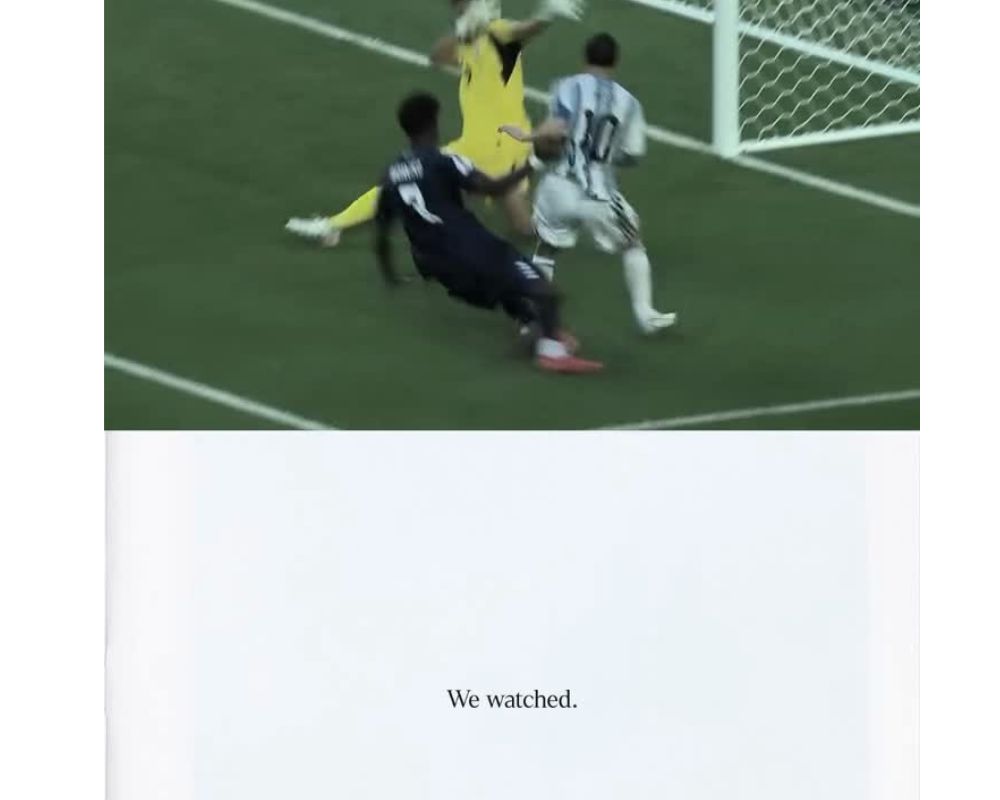
The Last Tango boots are a commercial document as much as a design object. They contain within their name, their timing and their design the answer to the question every Messi brand deals partner is now asking.
The tango is a dance for two. It requires a partner, a tension between two bodies moving together through something formal and something raw simultaneously. Messi named his farewell boots after it because Argentina and football have always been that kind of relationship for him: formal in its demands, raw in its emotion, always requiring something from both parties.
For brand partners, the tango metaphor extends naturally. The brands that built their Messi brand deals around the performance chapter of his career, the World Cup visibility, the tournament campaigns, the jersey sales, now need to decide whether they want to continue dancing into the next chapter. The ones that do will be betting on legacy, on what a name means when it is no longer attached to weekly results and elimination rounds. The ones that do not will be freeing up budgets for the next generation, for Yamal and Haaland and the players who will carry the tournament audience for the next three World Cup cycles.
Adidas has already made its choice. The Messi Adidas deal was the answer given in 2017 and nothing that happened at MetLife Stadium on July 19 changes it. The other partners will make their own calculations over the coming months, weighing what the World Cup chapter generated against what the post-playing chapter is worth.
Messi himself, writing to his Argentina teammates the night before the final, offered the clearest possible statement of what he believed the chapter meant: “The best part of all these years was not just the titles, but the whole journey. Sharing every day with this group, competing together, getting back up in tough times, and enjoying every step.”
The brands that understand that sentence, that the Messi commercial story including the Messi Adidas deal was primarily about a journey conducted with a specific quality of character, are the ones positioned to make the most of what comes next.
The Last Tango has ended. The music is still playing.
(Image credits: leomessi/Instagram; adidasfootball/Instagram)
The World Cup chapter has closed. The commercial story is entering its most interesting phase. And the brands that understand the difference between the two are the ones worth watching.
Read next: As the Messi Adidas deal reaches a defining moment, all eyes are on football’s next great commercial partnership. Lamine Yamal tops the list.