



Few days ago, The RealReal published its 2026 Resale Report, offering a fascinating look at what luxury consumers are actually searching for when the season’s newest collections are no longer the only things competing for their attention.
The platform has 44 million members and has built one of the most extensive datasets on how the secondary luxury market behaves. There are plenty of remarkable numbers in the report. One, however, deserves a closer look. Saved searches for Phoebe Philo era Celine surged 650 percent year over year. It is the biggest designer search acceleration recorded anywhere in the report.
And suddenly, the Celine resale story becomes much more interesting. Philo left Celine in December 2017. Almost nine years later, her work at the house is generating more search momentum on the secondary market than the work of any active creative director tracked in the report. That is quite a comeback for a designer who has not designed a Celine collection in nearly a decade.
Nine years later, Phoebe Philo is still setting the agenda
Phoebe Philo arrived at Celine in 2008 after eight years at Chloé, where she had already developed a reputation for understanding what women actually wanted to wear. At Celine, she turned that instinct into something much bigger.
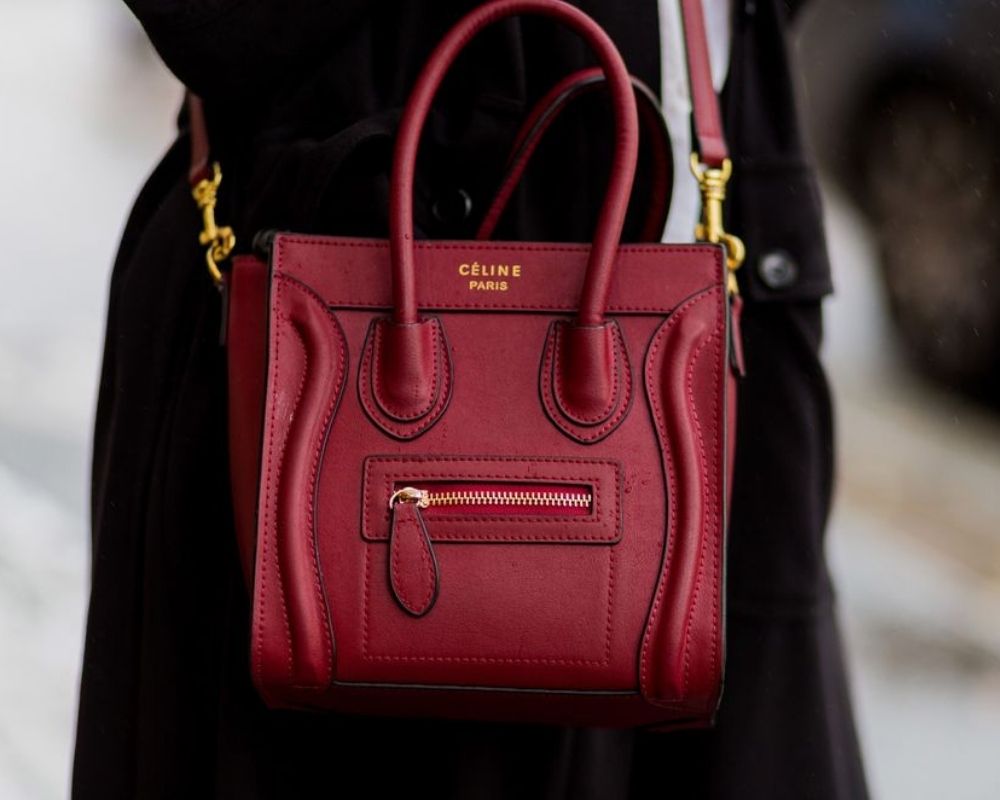
There were architectural silhouettes, buttery leathers, muted colours and proportions that felt considered from every angle. There was very little visible branding. Instead, the identity came from the design itself. The Luggage tote became instantly recognisable. So did the Belt bag, the Trapeze and the Blade shoe. You knew what they were without needing a logo to tell you.
That was part of Philo’s genius. She understood that luxury could communicate through knowledge rather than volume. The woman carrying a Celine bag did not need everyone else in the room to know what it was. That philosophy is central to understanding the current Celine resale phenomenon.
Philo left the house in December 2017, and Hedi Slimane subsequently took Celine in a very different direction. The contrast between the two eras became one of the most closely watched creative shifts in modern luxury. Yet the secondary market offers a different kind of commentary.
It shows us what people are actively looking for and right now, they are looking for Philo.
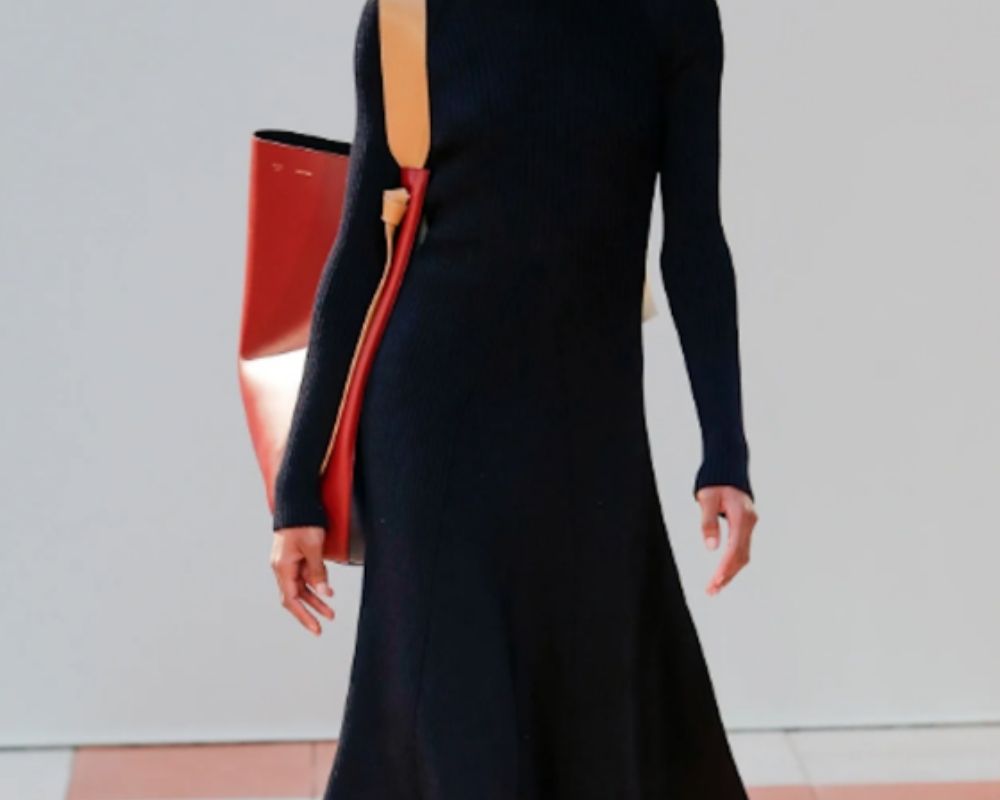
The archive is having its moment
The 650 percent increase in Celine resale searches compares the first six months of 2026 with the same period in 2025. That is not simply a small group of collectors revisiting a favourite handbag. It is a significant acceleration in interest across an entire designer era.
The wider numbers make the trend even more compelling. Vintage demand on The RealReal has grown 432 percent since 2020 when measured by gross merchandise value. Decade specific saved searches are up 135 percent year over year, while searches for 2000s fashion have risen 93 percent. The 2000s are back in fashion, and the luxury resale market is becoming increasingly interested in specific moments within that decade.
This is where Celine resale begins to stand apart. Nicolas Ghesquière era Balenciaga searches are up 400 percent and Marc Jacobs era Louis Vuitton searches have climbed 375 percent. Both are extraordinary increases. Philo era Celine is at 650 percent.
The difference is significant enough to make you wonder what exactly consumers are seeing in that particular archive. The answer may have less to do with nostalgia than with recognition. They recognise something they still want.
650 percent says more than a price tag ever could
There is an intriguing twist to the Celine resale story. The strongest increase in searches has not translated into an equivalent rise in the resale price of every iconic Philo piece.
Take the Luggage tote.
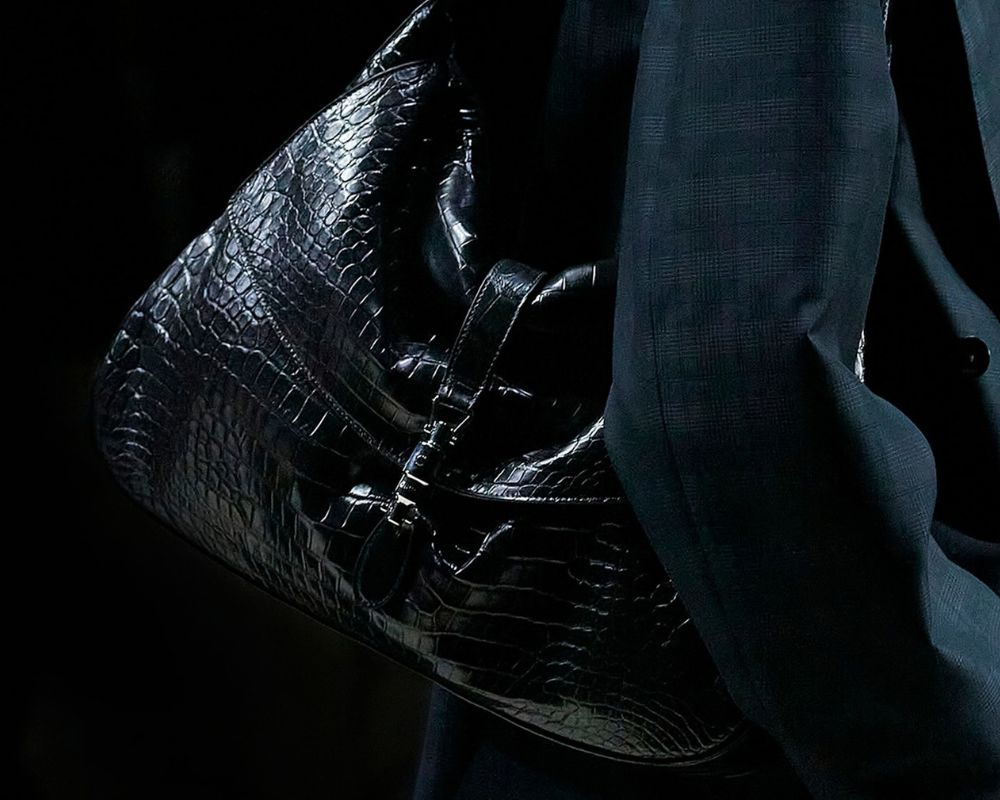
One of the defining bags of the Philo era, it has seen its average resale value fall from $1,700 to $940 before recovering by $130 over the past year, according to The RealReal’s 2026 data. Now compare that with the Fendi Baguette, which has risen from $294 in 2016 to $3,012, or the Gucci Jackie, which has moved from $360 to $1,100.
The contrast is fascinating. Interest in Celine resale is accelerating rapidly even though the financial performance of one of the era’s most recognisable bags has followed a different path.
That tells us something important. People are they are searching because they want the design. They want the shape, the leather, the restraint, the proportions and the feeling. The Celine resale market is therefore capturing something that price data alone cannot.
Desire comes before value
Luxury has always had an investment side to it, but fashion rarely becomes culturally important because of a spreadsheet. The strongest pieces create an emotional response first. That appears to be what is happening with Philo’s Celine.
Her work had a very specific point of view. It was sophisticated without being showy, luxurious without relying on obvious status symbols and highly considered without ever feeling overworked. That combination feels remarkably contemporary in 2026. The celine resale market is effectively allowing consumers to rediscover that point of view on their own terms.
They can search for an old Luggage. They can look for a particular season. They can hunt for a piece in a colour or material that has disappeared from the current market. The archive becomes a way of accessing a design language that still feels relevant. And that may be more important than whether the price of a particular bag has doubled.
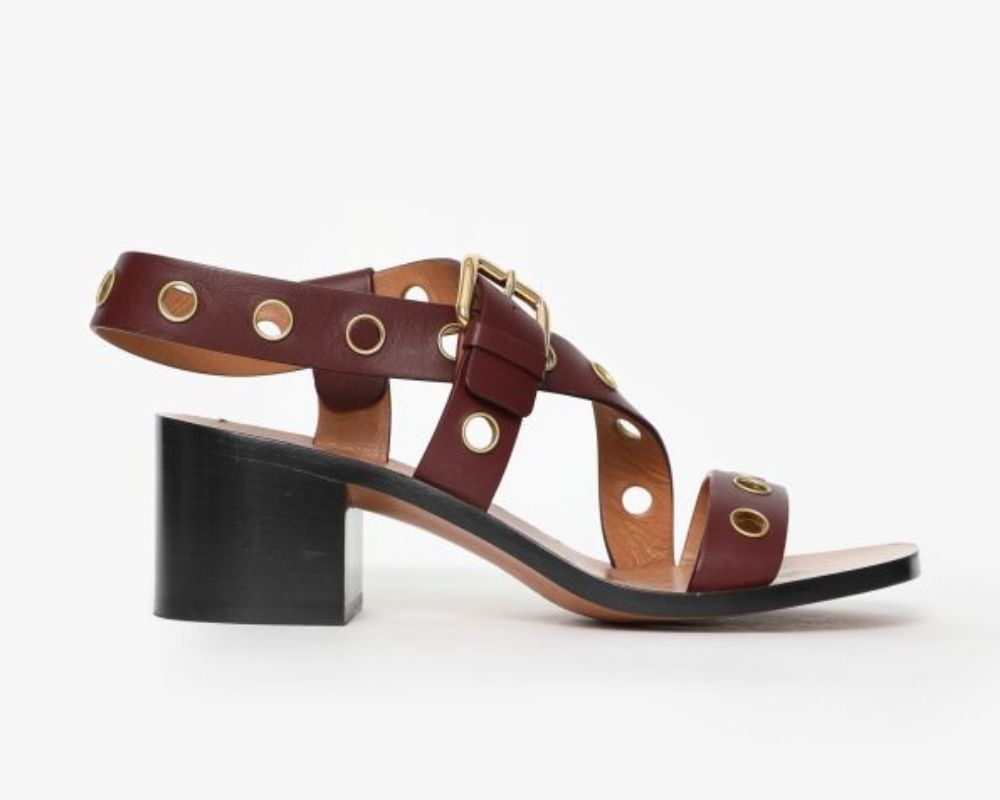
The Philo woman never really left
The Chloé numbers provide another piece of the puzzle. The Chloé Paddington bag, created during Philo’s tenure at the house, now sells for an average of $1,290 on The RealReal compared with $275 three years ago. Philo era Chloé clothing has also seen average sale prices rise 57 percent between August 2023 and July 2026. So the designer’s archive is experiencing a resurgence across both houses, but the signals are slightly different.
At Chloé, the story is particularly visible in prices. At Celine, the most striking signal is search behaviour. That makes the Celine resale data especially useful. Search is often where desire becomes visible before the market has fully translated that desire into price.
People start hunting. Then, if enough people want the same thing, availability becomes part of the story. The Celine resale market is at the very beginning of that conversation, and the scale of the search increase makes it one worth watching.
Luxury’s quietest status signal
There is another reason Philo’s Celine feels so relevant right now. She understood her customer with unusual precision. The Philo Celine woman was confident, financially independent and interested in quality and craft. She wanted beautiful things, but she did not need those things to announce their price from across the room.
That philosophy has become increasingly relevant as luxury consumers become more sophisticated about what they buy and why they buy it. The strongest luxury brands today often have one thing in common: clarity. The Row is a particularly obvious example.
Founded by Mary-Kate and Ashley Olsen in 2006, the brand has built its reputation around exceptional materials, craftsmanship, discreet design and an extremely clear understanding of its customer. There is a philosophical connection between The Row and Philo’s Celine. Neither needs a large logo to establish desirability. The product does the work.
The RealReal’s 2026 data places The Row among the brands attracting significant search interest, adding another layer to the argument that discreet, highly considered luxury has considerable cultural power. The Celine resale surge is part of this larger movement.
The status signal is becoming quieter and the knowledge behind the product is becoming louder.
What the secondary market knows
This may be the most interesting thing about resale today. The secondary market does not have to wait for a brand’s campaign, runway show or quarterly results to tell it what people care about. Consumers reveal it themselves. They search, they save and they return. And in the case of Celine resale, they are searching for a creative era that officially ended almost nine years ago. That makes the archive particularly powerful.
Philo created those Celine collections for the woman in front of her, with a vision that would ultimately resonate far beyond their original moment. She was designing for her customer, understanding exactly what she wanted to wear and how she wanted those clothes to make her feel.
Today, a new generation is discovering those pieces, revealing just how enduring that vision has become.
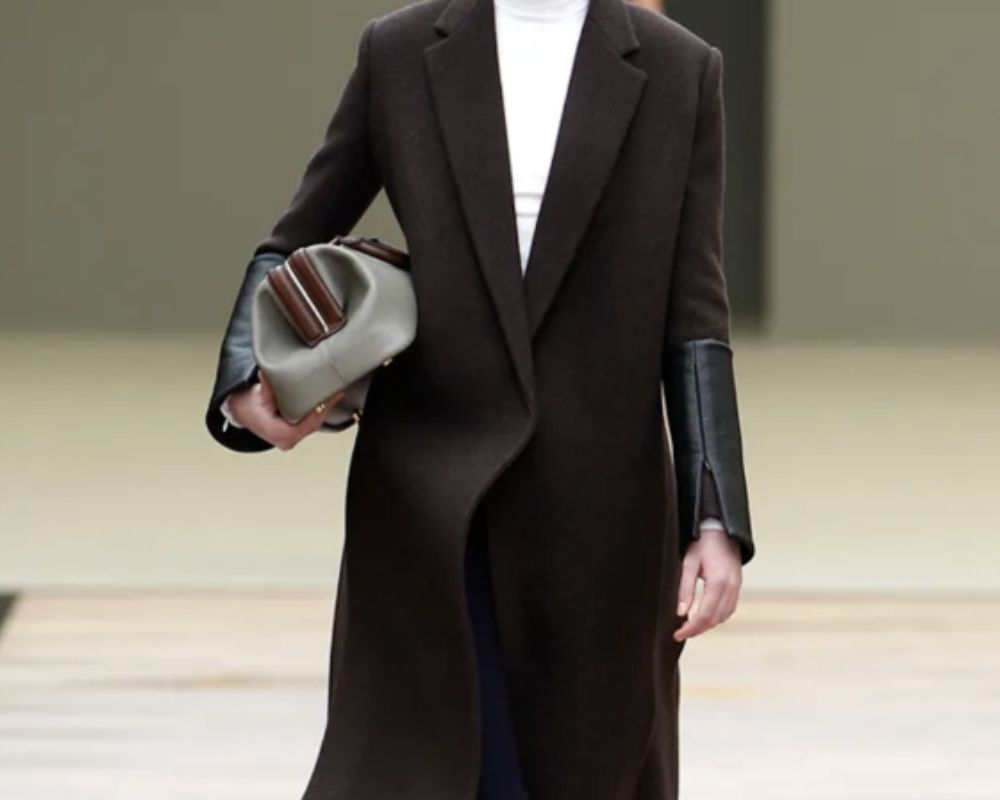
Then, 10,967 percent for Matthieu Blazy
The RealReal report contains another number that becomes fascinating when placed beside the Celine resale figure. Searches for Matthieu Blazy surged 10,967 percent following his appointment as Chanel Creative Director. Blazy does not yet have a Chanel archive for consumers to collect. There are no years of Chanel pieces created under his direction sitting on the secondary market waiting to be rediscovered.
So this search is about anticipation. Consumers are looking for clues about what Chanel might become. That makes the Blazy number almost a mirror image of the Celine resale phenomenon. With Philo, consumers are looking backwards at an established body of work and asking what they can still find. With Blazy, they are looking forwards and asking what might come next. Both behaviours point to the same shift in the luxury consumer.
They are paying attention to creative direction, they know who designed the clothes, they know which era a bag belongs to and they have opinions about what happened before and what might happen next. The secondary market makes that sophistication remarkably visible.
Looking back to see what’s next
There is a useful lesson here for luxury houses. Consumers are increasingly building their own fashion timelines. They remember designers, they compare eras, they revisit archives and they identify the pieces that feel culturally important and then search for them years later.
The Celine resale market is a perfect example. The brand’s current story is only one part of the consumer’s relationship with Celine. The Philo years have become their own chapter, with their own vocabulary and their own collector community.
A strong creative vision does not necessarily disappear when the designer leaves. Sometimes it becomes clearer. The distance allows consumers to see what made that era distinctive in the first place.
The past has become the new luxury frontier
There is one important distinction to make about the 650 percent figure. The Celine resale increase specifically refers to Philo’s Celine archive, covering the pieces she created between 2008 and 2017. It is separate from her current work. Philo launched her own label, Philo, in October 2023, and her return to fashion has generated considerable interest of its own.
But the archive is telling its own story. The pieces created during those nine years now belong to a finite world. They cannot simply be ordered again. There is no guarantee that a particular season, leather, colour or silhouette will return. That scarcity gives Celine resale a particular kind of power. The consumer is accessing a specific moment in fashion history. The archive becomes a form of cultural memory, and the resale platform becomes the place where that memory can be rediscovered.
The Celine resale boom proves Philo’s luxury language still resonates
Perhaps that is what makes the Celine resale story so fascinating. It is about much more than old Celine coming back; it is about the return of a very clear idea of luxury, one that feels remarkably relevant right now!
Phoebe Philo knew exactly who she was designing for. She understood what that woman wanted to wear, what she wanted her clothes to say and, perhaps most importantly, what she wanted them to leave unsaid. That clarity has aged beautifully, which is probably why the pieces still feel so desirable years after they first appeared.
The Celine resale market is giving consumers a way back into that world. Some are collectors, some are discovering Philo for the first time, while others may have owned these pieces years ago and suddenly feel that familiar pull again. Whatever brings them there, the behaviour is remarkably consistent: they are searching for Philo, and they are searching in numbers the secondary market has rarely seen before!
A 650 percent increase is a signal of something deeper: almost nine years after Phoebe Philo left Celine, her vision still carries cultural currency, commercial value and, most importantly, desire.
Perhaps that is the ultimate test of a creative director. It is easy to create excitement when the clothes are fresh off the runway and the entire fashion world is watching, but what happens years later, when the designer has moved on and the season has long since disappeared from the conversation? Do people still want the clothes? Do they still search for them, collect them and pay a premium to own them?
Philo’s Celine has a very clear answer.
They do!
Read next: Mulberry is making a comeback and Christopher Kane could be the game changer.
(Feature image credit: Getty Images)