


What luxury branded residences actually are (in plain English)
Strip away the velvet rope language and a branded residence is a private home (apartment, penthouse or villa) that carries the name, design standards and services of a globally known brand. The brand might be a hotel company like Four Seasons or Aman, a fashion house like Armani or Fendi, a jeweller like Bulgari, or a carmaker like Aston Martin. In every case, the developer pays for the right to use the name, and the brand sets the rules for everything from the lobby lighting to the bathrobes.
There are essentially three operating models you will hear about. First, the hotel-attached model, where luxury branded residences sit inside or next to a working hotel and tap into its kitchen, spa and concierge. Second, the standalone model, where the building has no hotel attached but still runs to brand standards. Third, pure licensing, where the brand lends its name and design DNA but day-to-day operations are run by a third-party manager or the homeowners’ association.
The numbers behind the boom
Here is the eye-opener. The worldwide stock of branded residences sat at just 323 projects in 2015, climbed to 910 by 2025, and is forecast to hit 1,747 by 2032, according to Savills data cited by WWD. That is more than a fivefold jump in seventeen years. HTF Market Intelligence estimates the designer-branded slice alone will grow from $4.30 billion in 2026 to $12 billion by 2033, at a compound annual rate of 11.5 percent.
Then there is the premium. Branded Living’s 2026 market guide pegs the typical price uplift at 25 to 40 percent over comparable non-branded luxury properties. In Dubai, the Bulgari Lighthouse sold a penthouse for $76.8 million in 2025. In New York, an Aman penthouse closed at $66 million in January of that year. They are the new ceiling for luxury branded residences in mature markets.
Why fashion houses are running the show
Hotel brands have always been the natural fit for residential because hospitality is in their DNA. The genuinely interesting story of the last five years, however, is the surge of non-hospitality brands, especially fashion houses, into the category. According to WWD’s January 2026 reporting, the top names by pipeline through 2030 include Elie Saab, Giorgio Armani, Fendi, Missoni and Versace, all of whom have signed deals to extend their aesthetic into walls, kitchens and gardens.
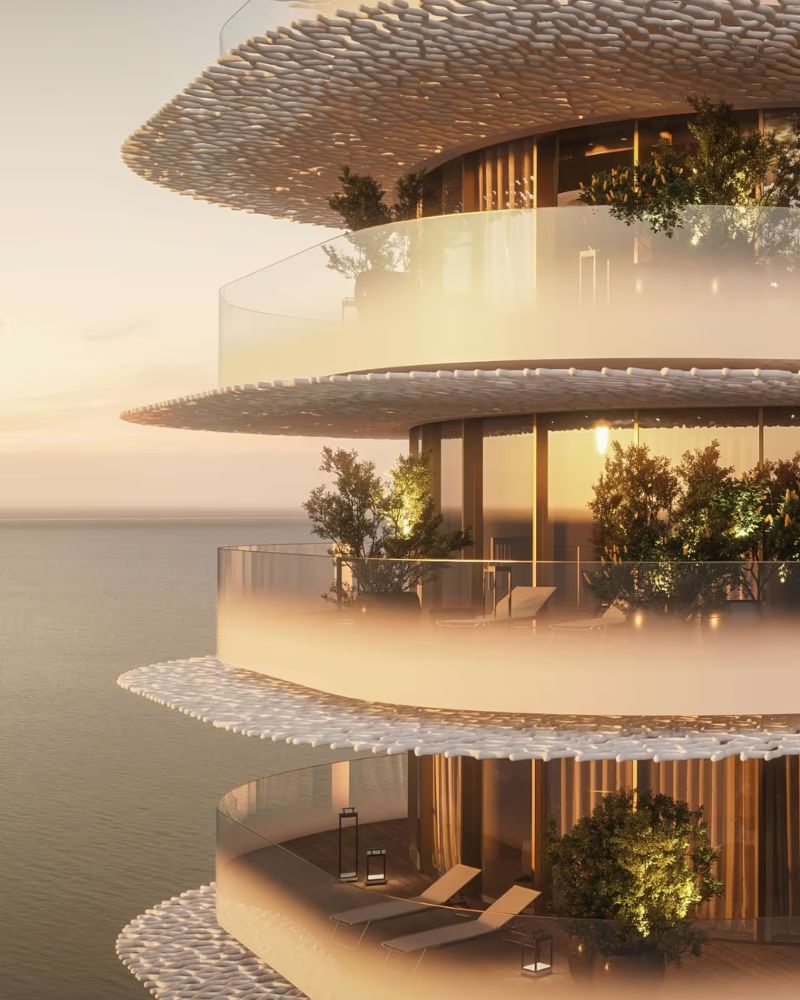
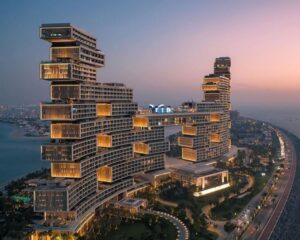
The logic is clean. A loyal Armani or Fendi customer already lives inside the brand’s worldview through clothes, accessories and home furnishings. Selling them a home is simply the next, most lucrative step. Fendi’s residential debut, the Fendi Château Residences in Surfside, Miami, opened in 2016 with custom Fendi Casa cabinets and 300 feet of private beachfront. Armani has the Armani/Casa Residences in Dubai (designed in collaboration with César Pelli) and a new oceanfront tower in Pompano Beach. Bulgari’s Lighthouse Dubai, designed by Antonio Citterio and Patricia Viel, is currently one of the most expensive residential addresses on the planet.
So why does this matter for the broader luxury branded residences story? Because fashion brands bring something hotel groups cannot, which is emotional brand loyalty built over decades. Rosewood Hotels reports that 75 percent of branded residence buyers purchase only after experiencing the brand as a hotel guest first. For fashion, that loyalty already exists before the first showing.
How luxury branded residences actually run day to day
Now to the part nobody outside the industry really explains. Running luxury branded residences is essentially running a five-star hotel without check-outs. The General Manager oversees a team that handles housekeeping, concierge, security, valet, in-residence dining, maintenance and amenity programming. The brand sets the standards, audits them regularly, and enforces them through the management contract.
The economics are equally compelling. Developers typically pay luxury brands a licensing fee tied to residence sales, often in the low single digits as a percentage of gross sales, alongside recurring management or service fees once the project is operational, according to analyses by Goodwin Law and Brand Atlas. Residents then pay annual service charges, usually between 0.5 and 2 percent of their purchase price, to fund operations and amenities.
If owners opt into the hotel’s rental pool (only available in hotel-attached projects), the operator typically keeps 25 to 50 percent of the rental income for managing bookings, guest experience and turnover. The hardest part of running luxury branded residences is not the spreadsheet but the balancing act.
In mixed-use buildings, the GM has to keep paying hotel guests happy without making residents feel like they live in a transient hotel. That means separate lobbies, separate elevators, separate pool decks where possible, and ironclad protocols for what a resident can ask for at 2am versus what is reserved for hotel guests. Get this wrong and resale values suffer, which is the worst thing that can happen to a branded residence project.
What it takes to get Bulgari, Armani or Fendi on your building
Getting a luxury brand attached to a residential project is a lot more complicated than putting a logo on the front door. The best branded residences begin with a courtship. Developers pitch a location, a vision, and a buyer profile. The brand then decides whether the project fits the world it has spent decades building. Take Bulgari. The Roman jeweller is famously selective about where it shows up. Its residences are usually tied to its hotel business, which means buyers are not just getting an apartment; they are buying into the Bulgari way of life. The focus is on exceptional locations, limited inventory, and service that feels closer to a five-star hotel than a traditional residential tower. For Bulgari, exclusivity is the product. On the other hand, Armani approaches things differently. Through Armani/Casa, the brand turns its design philosophy into a living environment. Whether it is the Armani Residences in Dubai or its collaboration with Lodha World Towers in Mumbai, the goal is the same: create spaces that feel unmistakably Armani. Think clean lines, restrained luxury, and a sense of elegance that extends from the wardrobe to the living room. Fendi sits somewhere in between. The Italian house brings its reputation for craftsmanship, materials, and detail into the residential world. Projects such as Fendi Château Residences in Miami are less about overt branding and more about creating an environment that reflects the values behind the label. The result is a home that feels like a natural extension of the brand rather than a marketing exercise. The most successful branded residences are selling belonging, not a square footage. Buyers are paying for access to a world they already admire, whether that world is built around hospitality, design, fashion, or craftsmanship. For developers, the reward can be substantial. A luxury brand can lift prices, attract international buyers, and generate attention long before the first resident moves in.India’s quiet boom in luxury branded residences
India is the under-reported chapter of this global story. According to Mumbai-based Noesis Capital Advisors, India had fewer than 20 branded residences as of mid-2025, but the pace of new launches is accelerating fast. The Trump Organization, working with Tribeca Developers, is the most aggressive first mover, with five projects across Gurugram, Pune, Mumbai and Kolkata. The most recent launch, Trump Residences Gurgaon in Sector 69, sold out all 298 units within hours in May 2025, generating ₹3,250 crore in allotments and recording four penthouses at ₹125 crore each.
London-based YOO Residences runs nine projects in the subcontinent, including YOO Pune, YOO Hyderabad and DN YOO in Bhubaneswar. Hospitality majors are also moving in, with Four Seasons Private Residences Bengaluru offering units between 4,000 and 20,000 square feet, and Whiteland Westin Residences active on the Dwarka Expressway.
The pricing tells you everything you need to know about demand for luxury branded residences in India. Mumbai leads at around ₹1.2 lakh per square foot, with Delhi NCR at ₹80,000 and Pune at ₹60,000. In Pune specifically, branded projects command a 75 percent premium over comparable non-branded luxury developments.
What buyers should ask before they sign
Before you wire any money, three questions matter more than any brochure. First, is this a true brand-managed project, or is it brand-licensed only? In the first case, the brand actively runs operations. In the second, it lends its name and standards, but a third party handles the day to day. Second, what exactly is included in the annual service charges, and what happens to those charges if amenity usage drops over time?
Third, if there is a hotel attached, what protects you as a resident from a degraded experience when the building is busy with hotel guests?These questions sound dry, but they decide whether your purchase appreciates like a Bulgari Lighthouse penthouse or quietly underperforms. Ultimately, the entire promise of luxury branded residences rests on consistency of service over decades, not on the gloss of opening day.
The luxury branded residences story is no longer confined to Miami, Dubai, or London. It is unfolding in India as well, where a new generation of affluent buyers is placing greater value on design, service, and brand affiliation. The growing interest in branded residences in markets such as Mohali suggests that luxury living is increasingly being defined not just by location, but by the lifestyle and identity a brand can bring to a home.
(Image credit: Bulgarilighthouse.com)FAQ
How much premium do branded residences command over non-branded luxury?
The typical premium is 25 to 40 percent globally, according to Branded Living’s 2026 guide. In India, Pune branded projects show a roughly 75 percent premium over comparable non-branded luxury developments.
Who actually runs a luxury branded residence?
In hotel-attached projects, the hotel operator runs both the hotel and the residential services under a management agreement. In licensing-only projects, a developer-appointed manager or the homeowners’ association handles day-to-day operations to brand-set standards.
What exactly are luxury branded residences?
Luxury branded residences are private homes that carry the name, design standards and services of a globally recognised brand, typically a hotel group (Four Seasons, Aman, Ritz-Carlton), a fashion house (Armani, Fendi, Bulgari) or a luxury automotive marque (Aston Martin, Porsche, Bentley). Buyers get a private residence plus hotel-grade amenities and concierge.