

Pick up a luxury handbag and you will read the brand name on the inside – Hermès, Chanel, Louis Vuitton, Dior, Prada. What you will not see is the name of the firm that actually made the leather. And here’s why: for the past fifteen years, almost every major luxury house has acquired its own luxury bag tanneries, then folded them behind the brand label. So the supply chain has become almost entirely vertical, and the people who actually tan, treat, and finish the leather have effectively disappeared from the consumer conversation.
So this is the decoder. The actual tanneries behind the houses, the deals that consolidated them, and what the whole thing means for the bag in your closet.
How luxury bag tanneries actually work
Let us give you a quick orientation first. A tannery is the firm that takes raw hide from an abattoir and turns it into finished leather, ready for cutting and sewing into a bag. So the tannery is responsible for the colour, the texture, the suppleness, the smell, the way the leather ages over time, and almost everything that gives a luxury bag its physical character. While a house designs the bag, a tannery decides what the bag actually feels like in your hand.
There are thousands of tanneries worldwide, but only a select few meet the standards demanded by luxury houses. France, particularly Annonay and Limoges, remains the benchmark for calfskin. Tuscany leads in vegetable-tanned leather and artisanal finishes. And when it comes to exotic skins, Singapore has become the industry’s centre of gravity, specialising in crocodile and alligator tanning. And almost every one of these high-end tanneries is now owned, controlled, or contractually tied to one of the major luxury groups.
The luxury bag tanneries inside the Hermès empire
Let us start with Hermès, because it has been the most aggressive vertical integrator of its supply chain in the entire industry.
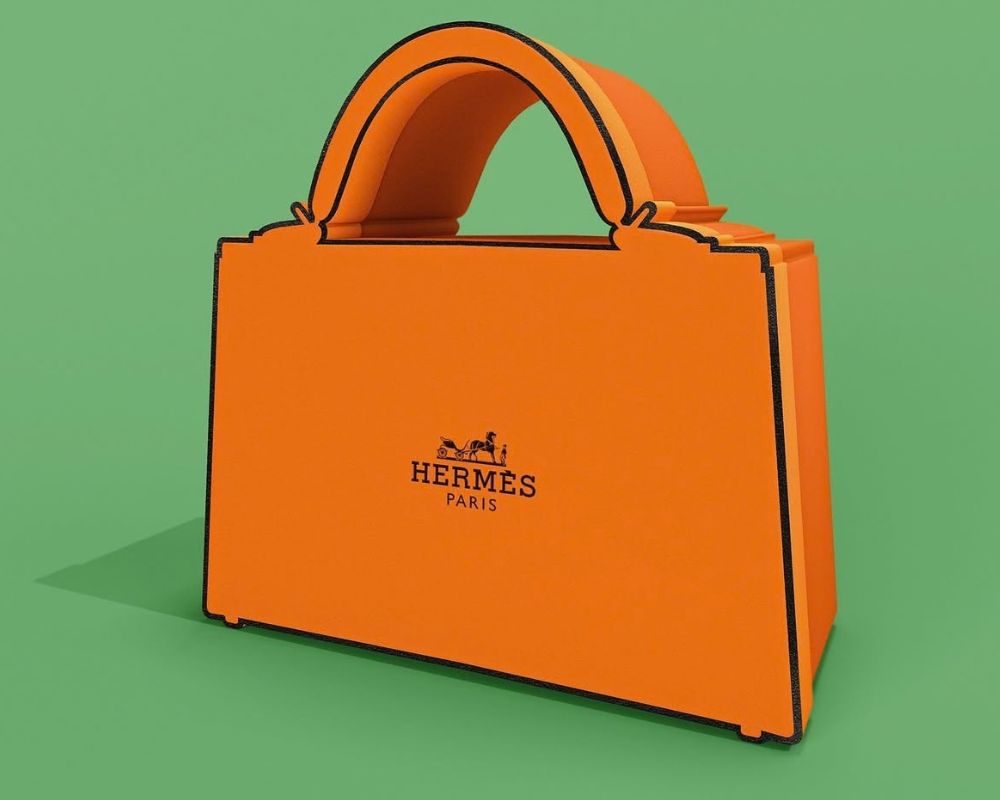
The house’s tannery division is called Hermès Cuirs Précieux, or HCP. So HCP is the operating umbrella that owns the actual tanneries Hermès relies on. The two most important French tanneries inside HCP are Tannerie d’Annonay and Tanneries du Puy, both calfskin specialists. Tanneries du Puy is the firm that produces the iconic Epsom leather Hermès uses for many Birkins and Kellys. So when a buyer talks about the “feel” of an Epsom Birkin, the actual feel is determined inside a tannery in central France that the public has never heard of.
Moreover, Hermès has also gone further upstream than any other luxury house. The brand breeds its own crocodiles on dedicated farms in Australia, which means the most expensive Birkins in the world have a supply chain Hermès controls from the moment the egg is laid. So the entire arc, farm to tannery to atelier to boutique, runs on Hermès-owned infrastructure.
The luxury bag tanneries powering the LVMH portfolio
LVMH owns more than seventy luxury maisons, and it has been building the largest tannery network in the industry to supply them.
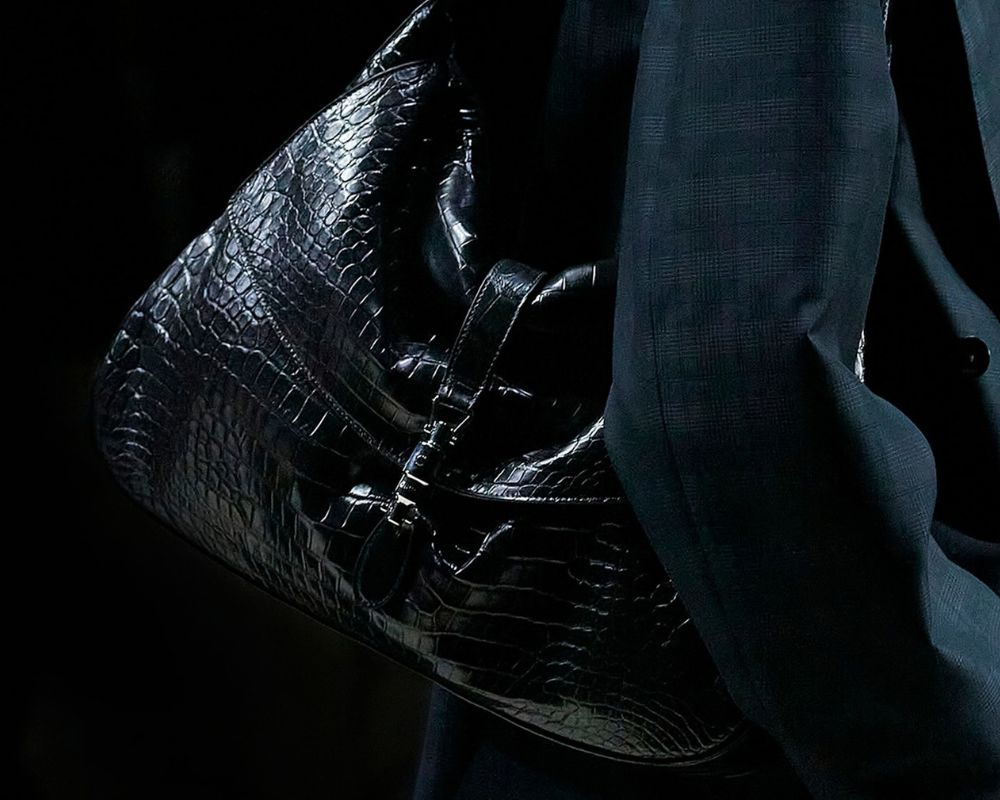
The single most important LVMH tannery is Heng Long, a Singapore-based exotic leather operation that LVMH took a 51 percent stake in back in 2011. So Heng Long is now the world’s only gold-certified exotic leather tannery under the Leather Working Group standard. The firm supplies crocodile and alligator leather to Louis Vuitton, Dior, Celine, Loewe, and other LVMH brands, and it is the reason LVMH can compete with Hermès at the exotic-skin tier.
On the calfskin side, LVMH controls Nuti Ivo (Italian, also gold-certified) and Les Tanneries Roux (French, founded in 1803, based in Romans-sur-Isère). So Les Tanneries Roux is one of the most interesting names on the list. The firm has supplied Louis Vuitton, Dior, Loewe, Celine, and Moynat for more than two decades, and LVMH formally acquired it as the second tannery in its growing network. The group also built Les Tanneries de la Comète from scratch in 2009. So in total, LVMH now controls four major luxury bag tanneries spanning calfskin and exotic skins, and the network keeps growing.
The luxury bag tanneries hidden inside Chanel
Chanel’s tannery network is smaller than LVMH’s but no less strategic.
In 2013, Chanel acquired Bodin-Joyeux, a French lamb-hide tannery that had supplied the house for decades. So the move locked in the supply of soft, glove-quality lambskin Chanel needs for its Classic Flap. Three years later, in 2016, Chanel followed up by acquiring Richard Tannery, another lamb skin supplier. So between Bodin-Joyeux and Richard, Chanel now controls almost the entire lamb leather supply chain for its iconic bags.
That is just the tanneries. Chanel’s vertical integration also extends across embroidery (Lesage), feathers and flowers (Lemarié), gold-plated jewellery and hardware (Goossens), gloves (Causse), tulle and lace (Sophie Hallette), cashmere (Barrie in Scotland), and buttons (Desrues, the very first vertical acquisition Chanel made all the way back in 1984). So while Chanel’s tannery footprint is narrower than LVMH’s, the broader Métiers d’Art ecosystem it sits inside is arguably the most complete luxury supply chain in the world.
The luxury bag tanneries Prada controls
Prada Group has been quieter about its tannery moves than the larger groups, but the strategy is comparable.
In 2014, Prada acquired a controlling interest in Tannerie Megisserie Hervy, a French tannery specialising in lamb tanning and the soft plonge nappa leather Prada uses across both Prada and Miu Miu collections. Prada also operates a long-standing joint venture with Conceria Superior, a Tuscan tannery that has been a Prada industrial partner for years. So Prada’s network is smaller but precisely targeted to the leathers its bags actually need.
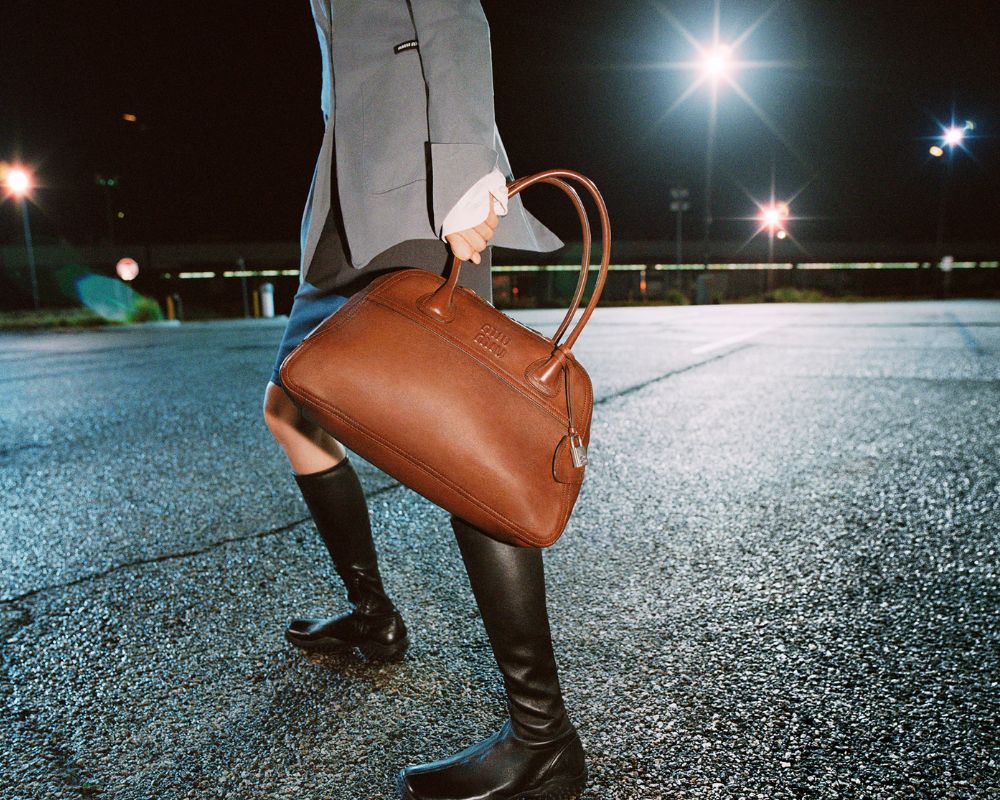
So when a Prada or Miu Miu bag arrives in a Bond Street boutique with a particular hand-feel that competitors cannot quite replicate, the answer almost always traces back to one of those two firms.
The independent luxury bag tanneries that supply everyone
Now here is the part that surprises most buyers. Even with all the consolidation, a significant portion of luxury bag leather still comes from independent tanneries that supply multiple houses, often competing ones.
The most famous is Conceria Walpier, a Tuscan tannery that produces Buttero, a vegetable-tanned leather widely used by smaller leather goods makers and licensed quietly to larger brands for specific lines. There are dozens of others across Tuscany, Veneto, and the Annonay region of France that supply houses on a project-by-project basis. So even in 2026, the supply chain still has porosity. A Loewe bag and a Bottega Veneta bag may carry leather from completely different sources, or, on occasion, from the same source under different finishing instructions.
What the consolidation of luxury bag tanneries actually means
Step back, and the picture is unambiguous. Almost every major luxury house has spent the past two decades acquiring its luxury bag tanneries, and the trend has accelerated sharply since 2020. So the question worth asking is what the consolidation is actually for.
The honest answer is three things at once. First, control. Owning the tannery means owning the supply, which means no other house can outbid you for the best hides. Second, sustainability optics. The Leather Working Group certification system increasingly favours integrated supply chains, so owning the tannery makes traceability claims easier to defend in regulatory filings and ESG reports. Third, margin protection. Tannery margins are not enormous, but they are not zero, and folding them into the parent group means the value is retained inside the house rather than being paid out to an external supplier.
So the consolidation of luxury bag tanneries is not really a craft story. It is a control story dressed up as one. The houses that own the most tanneries are the ones with the most defensible long-term supply, the cleanest traceability records, and the strongest pricing power. The next decade of competition in luxury leather goods will be decided not on the runway, but in places like Annonay, Romans-sur-Isère, Singapore, and a handful of small Tuscan towns most consumers will never visit.
So the next time you pick up a luxury handbag, remember this. The name on the inside of the bag is the part you bought. The name on the outside of the tannery is the part that made it possible.
Read next: The Birkin resale price decoder for 2026, because the leather inside that bag is one of the reasons it holds its value at all.
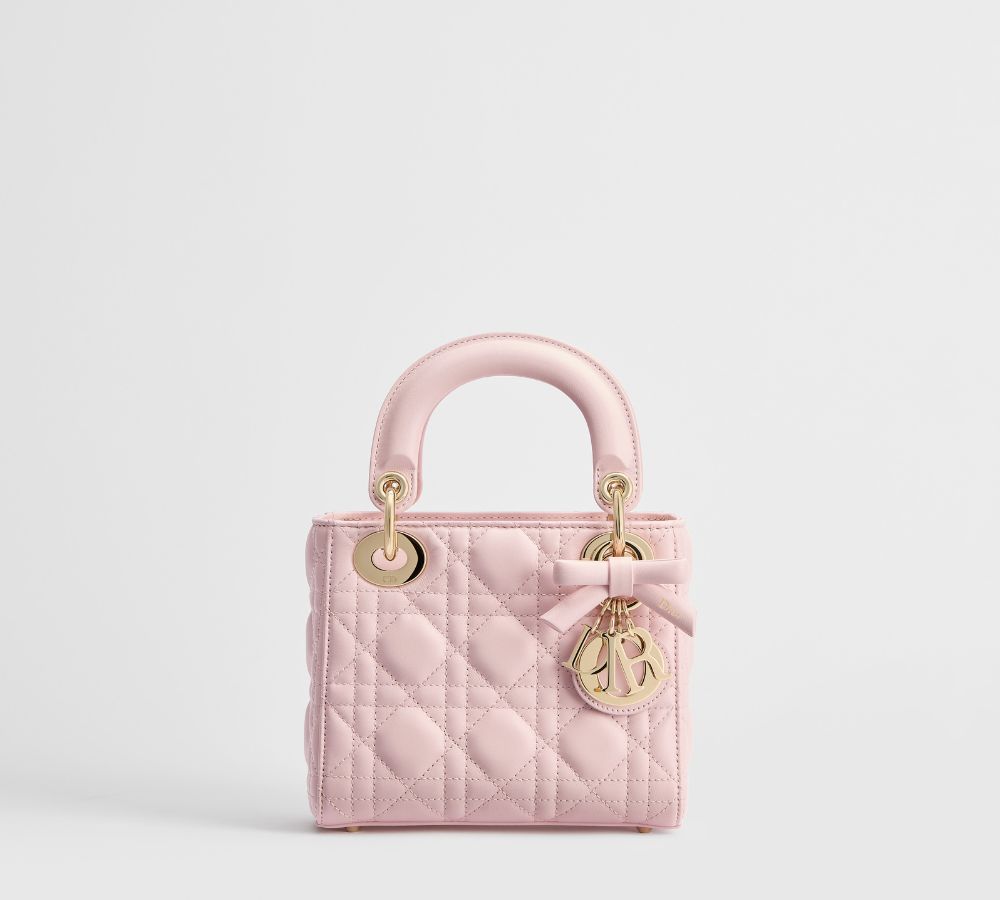
(Image credit: Dior.com)
FAQ
Which tanneries does Hermès own?
Hermès owns its tannery operation through Hermès Cuirs Précieux (HCP), which includes Tannerie d’Annonay and Tanneries du Puy in France. Both are calfskin specialists. Tanneries du Puy is the firm that produces Hermès’s iconic Epsom leather, used widely in Birkin and Kelly bags. Hermès also operates its own crocodile farms in Australia, which makes its supply chain the most vertically integrated in the luxury industry.
Who owns Heng Long, the exotic leather tannery?
LVMH owns a 51 percent stake in Heng Long, a Singapore-based exotic leather tannery, with the remaining 49 percent held by the original Heng Long ownership. The firm is the world’s only gold-certified exotic leather tannery under the Leather Working Group standard, and it supplies crocodile and alligator leather to Louis Vuitton, Dior, Celine, Loewe, and other LVMH brands.
Which luxury bag tanneries does Chanel control?
Chanel acquired Bodin-Joyeux, a French lamb hide tannery, in 2013, and Richard Tannery, another lamb skin supplier, in 2016. Both feed the lambskin used in Chanel’s iconic Classic Flap and 2.55 bags. Chanel also controls a broader Métiers d’Art network of specialty suppliers including Lesage (embroidery), Lemarié (feathers and flowers), and Goossens (hardware).