





The AI energy consumption problem nobody wants to admit
Here is the thing about AI energy consumption. Nobody really planned for it. The IEA reports that electricity demand from AI-focused data centres surged 50 percent in 2025 alone, which is the kind of growth curve that breaks national grids. In Ireland, data centres accounted for 22 percent of all metered electricity consumption in 2024, according to figures from the country’s Central Statistics Office.
Their share has risen from just 5 percent in 2015, highlighting the speed at which digital infrastructure is reshaping national energy demand. In Virginia, that number climbs to 26 percent. The aggregate scale is the point. Even with major efficiency improvements in individual chatbot queries, the sheer volume of AI inference and training is pulling more power from the grid every quarter.
So when world leaders gather at COP 31 in Antalya from 9 to 20 November, 2026, the unspoken truth is simple. Every pledge made in that conference centre will run headfirst into the reality that the global tech sector is building power-hungry infrastructure faster than anyone can build clean energy to feed it.
Why COP 31 in Antalya matters more than COP 30 did
For the first time, COP 31 will be co-presided over by Turkey and Australia, with Pacific nations playing a leading role in the pre-COP. That structure matters because the Pacific islands are the canary in the climate coal mine, and they have been demanding accountability not just from oil majors but from tech companies whose AI energy consumption is, quietly, becoming a new emissions frontier.
Until now, climate diplomacy has obsessed over coal, cars, and cement. COP 31 is shaping up to be the first global summit where AI energy consumption gets serious airtime in the formal negotiations, rather than being parked in side panels. Negotiators in Antalya will be asked a question they have spent years avoiding. How do we decarbonise an industry that is doubling its electricity demand every five years?
The unlikely climate hero is wearing cashmere
This is where it gets interesting. While Big Tech debates the merits of small modular reactors and very long-term renewable contracts, the luxury industry has been getting on with it. LVMH, the world’s largest luxury group, now runs on 71 percent renewable energy across its operations, up from just under 9 percent in 2015. The company has committed to 100 percent renewable or low-carbon energy at all stores and sites by the end of 2026.
Even more striking, LVMH has already cut its Scope 1 and Scope 2 emissions by 55.1 percent against a 2019 baseline, beating a 50 percent target that was meant to take until 2026. Kering, the group behind Gucci and Saint Laurent, has been a partner in NRDC’s Clean by Design programme since 2015, retrofitting Italian textile suppliers for energy and water efficiency. Chanel has invested in water security and renewable infrastructure across its European supply chain.
The point here is not that luxury is morally superior. The point is that luxury, with its absurdly high margins and its centuries-long brand-protection instincts, can absorb the upfront cost of building its own clean energy infrastructure in a way that most industries simply cannot.
How luxury is quietly outperforming Big Tech on clean power
Think about that for a second. A champagne house in Reims, a leather workshop in Tuscany, and a perfume bottling plant in Grasse are now running on cleaner power than the average AI training run in Nevada.
The reason matters. Luxury houses generate enormous cash flow per unit of physical output. A single Hermès Birkin involves a small amount of leather, a small amount of energy, and a very large amount of margin. That margin is what funds rooftop solar on the factory in Pantin, biomass boilers at the Veuve Clicquot vineyards, and closed-loop water systems at LVMH’s tanneries. In contrast, AI energy consumption is locked into a business model where margins are still being figured out, capex is enormous, and every efficiency gain gets immediately eaten by larger models.
In other words, luxury has already figured out how to generate power more effectively while practising real conservation. AI has not. And COP 31 is the moment to start asking why.
What AI energy consumption actually costs, in plain numbers
Let us strip the jargon. If the AI industry hits its projected AI energy consumption of 945 terawatt-hours by 2030, that is more electricity than Japan consumes today, drawn by one sector alone. Goldman Sachs Research estimates that global data centre power demand could rise by as much as 165 percent by 2030, driven largely by the rapid expansion of AI infrastructure.
Meanwhile, the same IEA report that flagged this risk also says renewable generation will need to grow by more than 450 terawatt-hours just to keep up with new data centre demand by 2035. That gap between the energy AI requires and the clean energy being brought online represents one of the most urgent challenges for COP 31. Addressing it will require governments and industries to rethink how they invest in energy infrastructure and efficiency. In this context, the luxury sector offers a useful, albeit imperfect, template.
Many luxury companies have chosen to invest directly in renewable energy, absorb higher upfront costs, and treat resource conservation as a long-term strategic advantage rather than a short-term expense. While these decisions may not appear particularly glamorous on paper, they demonstrate the value of acting early and investing consistently. Ultimately, the ability to close the gap between rising energy demand and clean energy supply could determine whether global climate targets are achieved on schedule or delayed by years.
The conservation playbook luxury already wrote
Conservation in luxury is not just about energy. Hermès has been investing in sustainable silk production in Brazil for years, supporting mulberry cultivation and biodiversity through its supply chain partners and the Livelihoods Carbon Fund, which has helped plant over 150 million trees since 2012. Kering invests in regenerative agriculture across its leather supply chain. LVMH reports that 3.8 million hectares of land have been regenerated, preserved, or restored through its initiatives.
These commitments now appear as measurable investments, disclosed in annual reports and audited under European CSRD requirements. Sustainability has moved from aspiration to accountability, with progress tracked through transparent reporting and independent oversight.
If the AI industry borrowed even half of this playbook, AI energy consumption would still grow, but the surrounding ecosystem would grow with it. Imagine if every hyperscale data centre came with an obligation to restore the watershed it draws from, fund the grid it strains, and publish its emissions per query. That is what luxury already does for every handbag, every bottle, every gram of perfume.
What needs to happen at COP 31
Three things, really. First, AI energy consumption needs a formal seat at the table, not a side panel. Second, the gold standard set by luxury houses on Scope 1 and Scope 2 emissions should become a sectoral benchmark for tech, with binding timelines. Third, the conservation principle, the idea that you give back more than you take, needs to migrate from luxury reporting frameworks into the technology sector’s sustainability disclosures.
None of this is impossible. Most of it is already being modelled in Paris, Geneva, and Milan boardrooms. The question is whether Antalya can move the conversation from corporate sustainability reports into multilateral climate policy.
If COP 31 manages even that, it will have done more for the climate than any summit since Paris. And the unlikely heroes of the story might just be the houses that have been quietly conserving, regenerating, and generating their own power while everyone else argued.
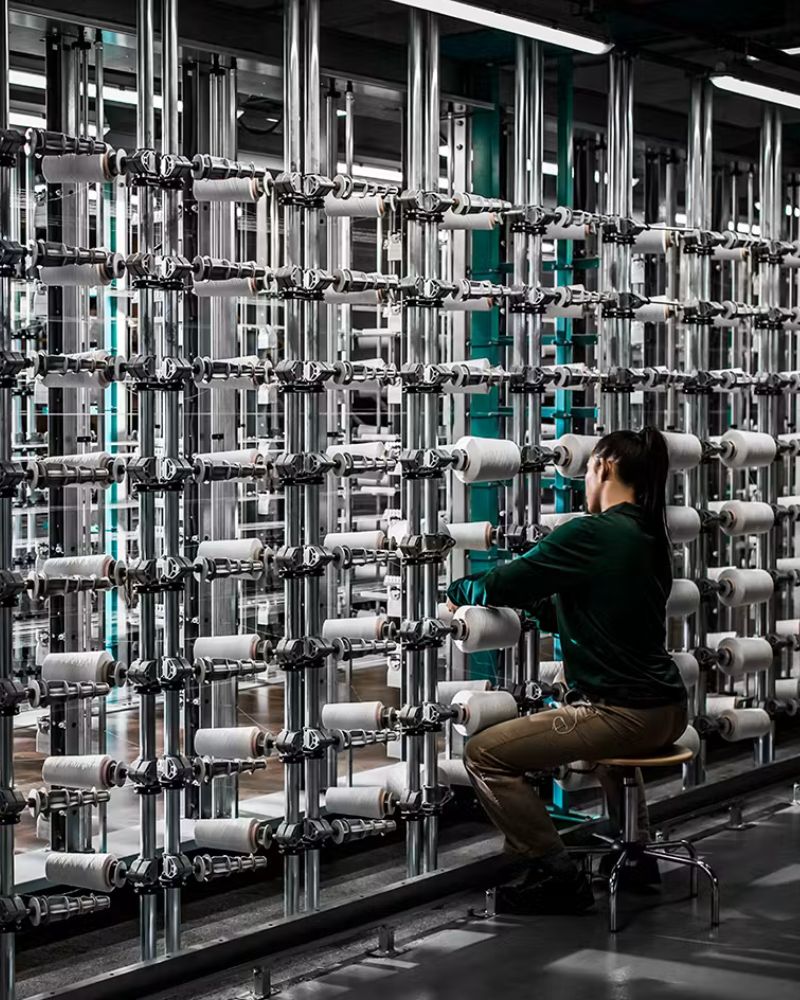
Want to see this AI energy consumption story rendered in real time? Bloomberg has a clear-eyed video walking through how AI energy consumption is reshaping power markets at speeds nobody predicted. It is worth the watch before forming an opinion on what COP 31 should actually deliver. Also read: How LVMH plans to regenerate 5 million hectares of land by 2030. (Image credit: LVMH.com)FAQ
What is AI energy consumption and why does it matter for COP 31?
AI energy consumption refers to the electricity used to train and run artificial intelligence models, which sit inside data centres. It matters for COP 31 because global data centre demand is projected to almost double by 2030, and most of that growth comes from AI. Without addressing it, every other climate commitment becomes much harder to meet.
How can luxury brands help reduce AI energy consumption?
Luxury brands do not reduce AI energy consumption directly, but they offer a working template. Houses like LVMH and Kering have shown that an industry can rapidly scale renewable energy, hit aggressive emissions cuts, and bake conservation into core operations. Tech companies can borrow that playbook, especially the upfront investment in on-site clean power.
When is COP 31 happening and where?
COP 31 will be held in Antalya, Turkey from 9 to 20 November 2026, with Turkey hosting and Australia leading the negotiations. Pacific nations will host the pre-COP earlier in the year.